How to Choose Packaging Labels in 2026?
Choosing packaging labels in 2026 will require more than matching colors with a brand guide. Labels must survive cold storage, condensation, friction, recycling processes, and increasingly digital shopping journeys. Smithers’ The Future of Global Printed Labels to 2028 forecasts continued growth in the global printed labels market, driven by premium products, traceability, and shorter production runs. Meanwhile, FINAT’s 2024 Radar reported weaker European label demand, reminding buyers that growth is not guaranteed. Costs matter.
Jules Lejeune, Managing Director of FINAT, has described labels as “the passport of products.” That idea feels increasingly practical. A small label can carry origin details, batch information, recycling guidance, and a scannable digital link. GS1’s ambition for widespread 2D barcode adoption by 2027 makes this shift difficult to ignore. The best packaging labels will connect physical shelves with verified product information. They will also support clearer consumer decisions.
However, no single material works everywhere. Paper may suit dry goods, while films can protect labels exposed to moisture. Adhesive performance must be tested on the actual container, not only in a supplier’s sample book. Ink resistance also changes under sunlight, refrigeration, and handling. This is where selection often becomes less certain. A label can look excellent on day one and fail after three weeks.
This guide examines label materials, adhesives, printing methods, sustainability claims, compliance needs, and digital features. It uses current industry evidence, but practical testing remains essential. Reports guide the decision. Real products reveal the truth.
Define Packaging Label Needs by Product, Market, and Use Case
How to Choose Packaging Labels in 2026?
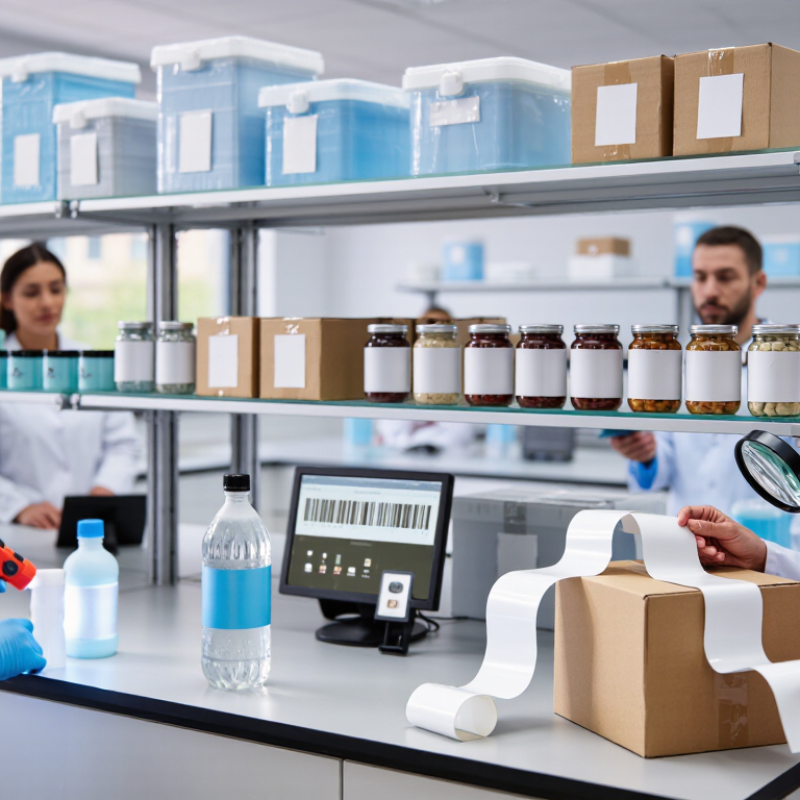
Define the label by the product first. A chilled jar may face condensation, scuffing, and frequent handling; a dry carton may need only clear print and dependable adhesion. Match the face material, adhesive, and finish to the actual surface and storage conditions. Test labels on filled packs, not just clean samples. Small detail, big difference. For curved bottles, check edge lift after application. For dark or textured packs, confirm that key information remains readable under store lighting. A label that looks good on screen can fail on a cold shelf.
Then consider the market and use case. A product shipped through several distribution steps may need stronger abrasion resistance than one sold locally. Export packaging may also require different languages, symbols, or data fields; confirm these with qualified regulatory staff for each destination. McKinsey’s 2023 global packaging survey covered 11,000 consumers across 11 countries, highlighting the value of understanding preferences market by market. The report is a useful prompt, not a substitute for customer research. Ask what buyers notice, and where.
Finally, specify real operating conditions: application speed, moisture, temperature, and expected shelf life. Smithers’ industry research on labels and release liners provides market context, but the right construction still depends on your own pack and supply chain. Run a short production trial. Measure adhesion, legibility, and damage after handling. One uncomfortable truth: teams sometimes choose a label by price before testing it. That can create rework, waste, and a very visible peeling corner.
Compare Label Materials for Durability, Sustainability, and Appearance
Choosing packaging labels in 2026 means matching the material to the product’s journey. Paper labels offer a warm, tactile look and suit dry goods, gift boxes, and short-term retail packaging. Yet moisture can soften paper, and chilled bottles may expose weak adhesives. Film labels, such as polypropylene or polyester, resist water, oil, and scuffing. They keep graphics crisp on wet containers, though their plastic feel may not fit every brand. Test the complete label—face material, adhesive, and ink—on the actual package. A label that survives a tabletop test may still lift inside a cold, damp shipping carton.
Sustainability depends on the whole package, not just the label. The U.S. Environmental Protection Agency reported that 68.2% of paper and paperboard was recycled in 2018; this broad category figure does not predict whether a particular labeled pack will be accepted. Adhesives, coatings, and mixed materials can complicate sorting. Ask your recycler or packaging recovery partner about local requirements. Smaller labels, compatible materials, and reduced ink coverage may help, but no single choice is best everywhere. That is easy to overlook.
Tips
For a refrigerated product, chill a labeled sample overnight, then rub it with a damp cloth. For dry packaging, compare paper and film under store lighting; glossy film can sharpen colors, while uncoated paper feels softer. Record peeling, fading, and residue after testing. A little inconsistency between batches can happen, so build in a practical tolerance.
Select Adhesives and Printing Methods for Storage and Transport Conditions
A label that looks perfect in the print room may fail after a week in a cold warehouse. Choose adhesive for the surface and conditions, not just the product. Cardboard, glass, and flexible plastic each behave differently. Dust, condensation, and surface coatings can weaken the bond. For chilled goods, test labels on cold packaging, then check them after moisture exposure. For outdoor transport, consider rain, sunlight, and temperature swings. Small trials matter.
Permanent adhesive suits packages that should stay labeled through handling. Removable adhesive can help with reusable containers, but it may lift during rough transport. That trade-off is easy to miss. Before approving a material, apply labels to real packages and inspect edges after stacking, rubbing, and storage. Record the temperature and exposure time. A quick test is better than guessing, though it cannot represent every route.
Printing method affects readability and durability. Thermal transfer printing often works well for shipping labels that need crisp barcodes. Direct thermal labels can fade with heat or sunlight, so they may be unsuitable for long storage outdoors. Ink-based printing can provide strong color, but moisture resistance depends on the label stock and ink combination. Check small text and scan codes after abrasion tests. Keep the trial simple, and change one variable at a time. Even then, results may be imperfect; actual transport can surprise you.
Verify 2026 Label Regulations, Accessibility, and Smart Packaging Options
In 2026, packaging labels must do more than look polished. Requirements can differ by product type and sales location, so check current rules with the relevant government agencies before approving artwork. Confirm required details, such as ingredient lists, warnings, net quantity, recycling statements, and date marking. Small changes matter. A label that meets one market’s rules may need revision for another.
Accessibility deserves a practical review. Use strong contrast, readable type, and clear wording; test the printed label under ordinary store lighting, not only on a bright screen. Keep essential instructions visible without a phone. A QR code can provide expanded details, but it should not replace information people need immediately. Smart features such as QR codes or NFC tags may also support product updates or traceability. Test them on different phones, and consider what data they collect. Be cautious here: convenience can introduce privacy questions. A damp, curved bottle may also make scanning harder than expected.
Before production, review a physical sample with people who have different visual and technical needs. Check the smallest text, barcode placement, adhesive performance, and whether information remains legible after handling. I have seen digital proofs hide problems that become obvious on a shelf. That is easy to miss. Keep dated copies of approved artwork and the sources used to verify regulatory claims, then revisit them when materials, markets, or rules change.
Evaluate Suppliers, Costs, Quality Control, and Future Scalability
How to Choose Packaging Labels in 2026?
Evaluate suppliers on more than unit price. Request material specifications, adhesive performance data, and samples printed on your actual containers. Check how suppliers control color, registration, and roll winding; a label that looks fine on a proof can wrinkle on a curved bottle. Ask for documented inspection procedures and lot traceability. ISO 2859-1 provides recognized sampling methods, but agree on acceptance limits before production. Smithers’ The Future of Labels and Release Liners to 2028 projects continued growth in label demand, making supplier capacity and backup plans worth checking early.
Tips: Compare total landed cost, including tooling, setup, freight, waste, and storage—not just the quoted price per label. Test adhesion after refrigeration, moisture exposure, and handling. Keep the test results. A small trial run can reveal problems that a polished sample will not. I have seen teams overlook application speed; that mistake can cost more than a modest material upgrade.
Plan for future changes. Ask whether a supplier can handle revised artwork, shorter runs, variable data, and shifts in order volume without restarting qualification. Confirm lead times and minimum order quantities in writing. Leave room for imperfect forecasts: demand rarely follows a neat spreadsheet. Recheck specifications when containers, filling lines, or storage conditions change.
How to Choose Packaging Labels in 2026? - Evaluate Suppliers, Costs, Quality Control, and Future Scalability
Typical 2026 market benchmarks for self-adhesive packaging label suppliers. Prices are indicative USD ranges for standard production conditions and vary by size, volume, material, finishing, freight, and artwork complexity.
| Supplier Profile |
Recommended Label Material |
Typical MOQ
(pieces) |
Standard Lead Time
(business days) |
Estimated Unit Cost
(USD / 1,000) |
Printing Capability |
Color Accuracy
(ΔE00) |
Typical Defect Rate |
Quality-Control Evidence |
Monthly Capacity
(pieces) |
Scalability Score
(1–5) |
| Digital short-run specialist |
White or clear PP; suitable for variable data and frequent artwork changes |
500–2,000 |
3–7 |
$45–$130 |
CMYK, white ink, variable data, short-run personalization |
≤ 3.0 |
0.5%–1.5% |
Digital proof, barcode verification, roll inspection, batch traceability |
1–5 million |
3 |
| Flexographic volume converter |
Paper, PP, PE, or PET depending on moisture, oil, and abrasion exposure |
10,000–50,000 |
10–20 |
$18–$65 |
Up to 8 colors, spot colors, varnish, lamination, rotary die-cutting |
≤ 2.5 |
0.3%–1.0% |
Approved press sheet, color spectrophotometer readings, AQL sampling, lot records |
10–50 million |
5 |
| Premium embellishment supplier |
Textured paper, metallic film, or clear film with protective overlamination |
5,000–25,000 |
12–25 |
$70–$240 |
Foil stamping, embossing, tactile varnish, cold foil, multi-layer effects |
≤ 2.5 |
0.8%–2.0% |
First-article approval, embellishment inspection, adhesion testing, final visual audit |
2–12 million |
4 |
| Sustainable-material specialist |
Recycled paper, FSC-certified paper, or recyclable mono-material film |
5,000–30,000 |
12–28 |
$35–$150 |
Water-based inks, low-migration options, recyclable adhesives, standard finishing |
≤ 3.5 |
0.7%–1.8% |
Material certificates, adhesive data sheets, migration testing, sustainability documentation |
3–20 million |
4 |
| Regional rapid-replenishment supplier |
Standard paper or PP with commonly stocked adhesive and liner combinations |
1,000–10,000 |
2–8 |
$30–$105 |
CMYK, spot colors, digital or narrow-web flexographic printing |
≤ 3.5 |
0.8%–2.0% |
Incoming-material checks, barcode scan, roll-length verification, retained samples |
1–8 million |
3 |
Evaluation Criteria for 2026
- Compare total landed cost, including tooling, plates, proofing, setup, freight, waste, and rework—not only the quoted unit price.
- Request documented color tolerances, barcode verification results, adhesive performance data, and retained production samples.
- Confirm the supplier can support forecast-based replenishment, multiple label sizes, digital artwork workflows, and capacity increases.
- For regulated or food-contact packaging, verify applicable migration, substrate, ink, adhesive, and traceability documentation before approval.