What is the Importance of Packaging Labels for Global Buyers?
Packaging labels play a crucial role in the global marketplace. They serve as the first point of contact between products and consumers. For buyers, packaging labels provide essential information. This includes ingredients, usage instructions, and origin details. The clarity and design of these labels can influence purchasing decisions significantly.
Experienced buyers rely on packaging labels for quality assurance. They expect transparency and accuracy regarding the products they choose. However, not all labels meet these expectations. Some may lack crucial information, leading to confusion or misinterpretation. It is vital for brands to ensure their packaging labels adhere to high standards. This can enhance trust and loyalty.
In a world of diverse products, packaging labels become even more important. They bridge cultural gaps and cater to global audiences. Effective labels can communicate a brand’s values and commitment to quality. Yet, there are instances where labels fall short, leading to negative customer experiences. Continuous improvement in labeling can redefine buyers' trust and engagement.

The Role of Packaging Labels in Global Trade and Commerce
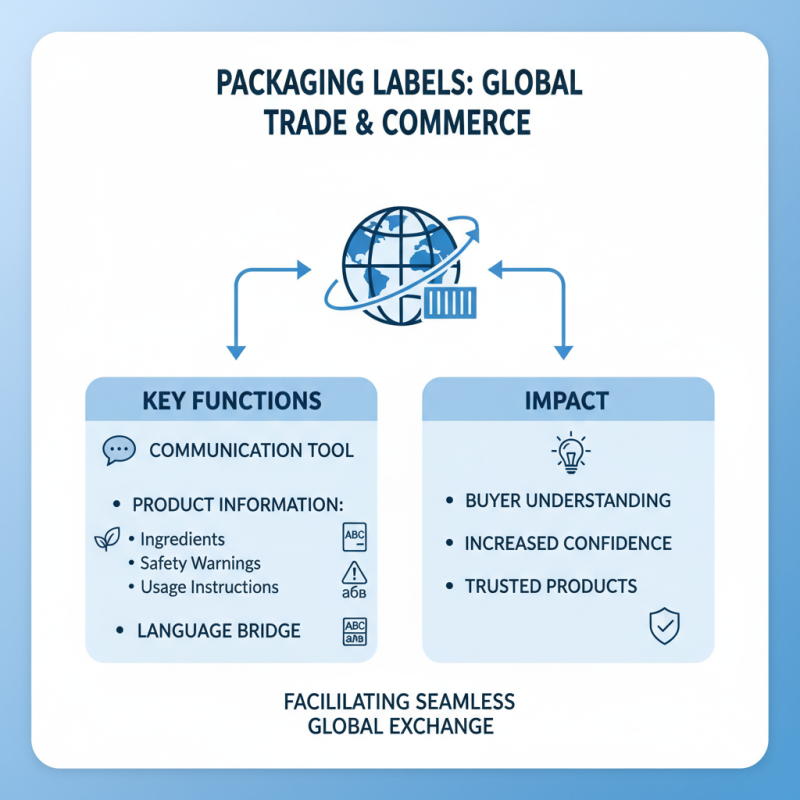
In the global trade landscape, packaging labels serve as vital communication tools. They convey essential information about products, including ingredients, safety warnings, and usage instructions. For international buyers, understanding this information is crucial. Labels can bridge language barriers and provide clarity. A clear label can enhance buyer confidence and promote trust in products.
Packaging labels also play a role in compliance with global standards. Each country may have different regulations regarding product labeling. This includes nutritional facts, country of origin, and language requirements. Non-compliance can mean hefty fines or market rejection. Buyers must be aware of these nuances to avoid pitfalls in international commerce.
However, not all labels achieve their intended purpose. Some labels may lack clarity or essential details. A poorly designed label can confuse buyers and hinder sales. It is essential for businesses to focus on the quality of their packaging labels. Investing in clear, informative labels not only meets legal requirements but also complements branding efforts. Thoughtful details matter in a crowded market where every product competes for attention.
Key Information Conveyed by Packaging Labels for Consumers
Packaging labels play a crucial role in informing consumers about products. They provide essential details such as ingredients, nutritional values, and usage instructions. When shopping, buyers often rely on these labels to make informed decisions. They want assurance that they understand what they are purchasing.
In global markets, labeling becomes even more vital. Different countries have specific requirements. Labels must be clear and comply with local regulations. If not, companies risk confusing consumers. For instance, a label that's difficult to read can lead to mistrust. It’s essential for manufacturers to prioritize clarity and accuracy.
Unfortunately, not all labels are created equal. Some may lack important information or contain vague claims. This inconsistency can leave consumers puzzled. Brands should strive for transparency to build credibility. Clear labeling fosters trust and encourages repeat purchases. It allows consumers to reflect on their choices and feel confident about their selections.
Regulatory Compliance and Safety Standards in Packaging Labels
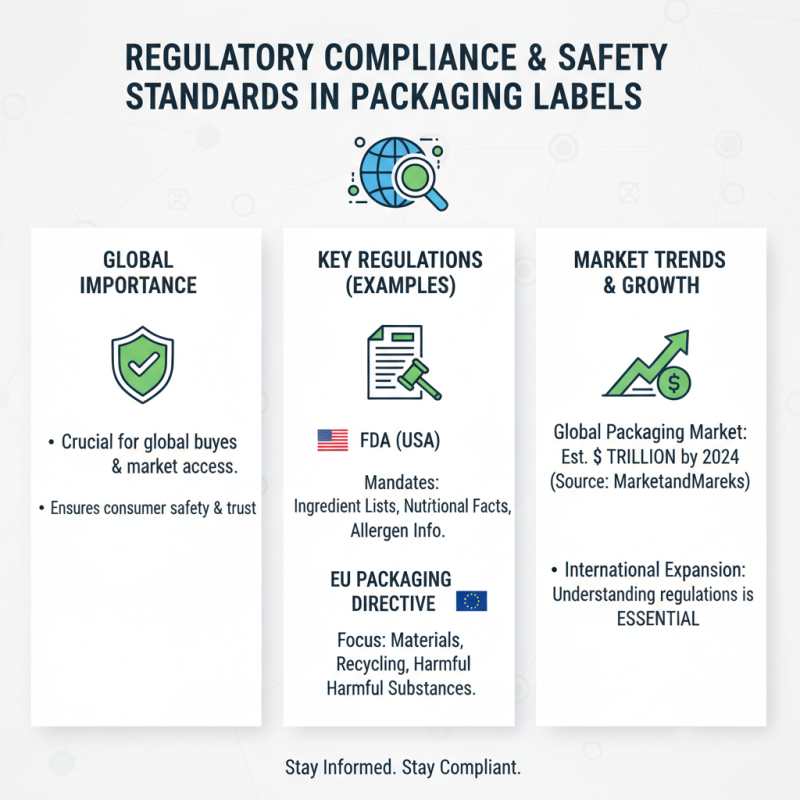
Packaging labels play a crucial role in regulatory compliance and safety standards for global buyers. Many countries have strict regulations that dictate what information a label must convey. For instance, the Food and Drug Administration (FDA) mandates transparency in ingredient lists and nutritional information. According to a report by MarketsandMarkets, the global packaging market is expected to reach $1 trillion by 2024. As companies expand internationally, understanding these regulations becomes essential.
In addition to compliance, packaging labels contribute significantly to product safety. Any violation can lead to recalls, which not only damage brand reputation but also incur heavy financial losses. The World Health Organization (WHO) has highlighted that improper labeling can result in misuse of products, leading to health risks. A staggering 30% of consumers express concerns about safety due to vague labeling practices.
However, navigating these regulations is complex. Companies often face challenges in understanding local laws. Misinterpretation can hinder market access or lead to hefty fines. A report by the International Organization for Standardization (ISO) suggests that nearly 50% of small businesses struggle with compliance. There is a pressing need for clearer guidelines and resources to support these businesses in meeting safety standards.
How Packaging Labels Enhance Brand Recognition and Loyalty
Packaging labels play a crucial role in enhancing brand recognition and fostering customer loyalty. Research indicates that approximately 70% of consumers make purchase decisions based solely on packaging. This highlights the significant impact labels can have on consumer behavior. Eye-catching designs and clear information can create a memorable first impression. Brands with well-designed labels often see an increase in repeat purchases.
To build brand loyalty, it’s essential for packaging labels to communicate the core values of a brand. Reports show that over 60% of consumers prefer brands that provide transparent information about their products. This transparency nurtures trust, which is vital for customer retention. Moreover, consistent labeling across products helps create a cohesive brand image, making it easier for consumers to identify and remember a brand.
Tips: Use bold typography to highlight key features. Maintain consistent color schemes for better recognition. Test label designs with focus groups to gather feedback. Always remember that a label should not only attract attention but also provide essential product information clearly. Balancing aesthetics with functionality can lead to successful brand loyalty, but brands must remain adaptable to consumer preferences.
What is the Importance of Packaging Labels for Global Buyers? - How Packaging Labels Enhance Brand Recognition and Loyalty
| Dimension |
Description |
Impact on Buyers |
| Visual Appeal |
The design and colors used in packaging labels |
Attracts attention and encourages purchase |
| Brand Identity |
Consistent use of logos, fonts, and colors |
Builds recognition and trust with consumers |
| Informational Value |
Details about the product, ingredients, and usage |
Informs customers, aiding in purchasing decisions |
| Sustainability |
Use of eco-friendly materials and practices |
Appeals to environmentally conscious buyers |
| Legal Compliance |
Adherence to regulations and labeling standards |
Ensures trust and reduces legal risks |
The Impact of Packaging Labels on Supply Chain Efficiency and Transparency
Packaging labels play a crucial role in supply chain efficiency. They provide essential information about a product's origin, ingredients, and usage instructions. Clear labeling helps prevent confusion at every stage of the supply chain. When labels are consistent and accurate, it improves processing and reduces errors during handling. Each label acts as a communication tool among suppliers, distributors, and retailers.
Moreover, packaging labels enhance transparency for global buyers. They enable customers to make informed decisions by understanding product details and sourcing practices. In times of heightened consumer awareness, transparency becomes vital. However, inaccuracies or unclear labeling can lead to mistrust. Buyers may hesitate to purchase products that lack transparency.
Labels must evolve as consumer demands change. Keeping up with regulations and market trends is essential. This requires continuous assessment of labeling practices. Some companies may overlook the importance of updating labels, leading to missed opportunities. Creating a reliable labeling strategy demands commitment and attention to detail. This balance between clarity and compliance is where many organizations struggle.
The Importance of Packaging Labels for Global Buyers
This chart illustrates the significance of various dimensions of packaging labels for global buyers. Factors like Clarity and Compliance are rated highly, indicating their critical role in enhancing supply chain efficiency and transparency.