
For global buyers, packaging labels are more than attractive stickers. They are working tools that explain, identify, and reassure. A label may be the first thing a distributor sees in a crowded warehouse. It may also guide a shopper through unfamiliar product information. Clear product names, batch details, barcodes, origin information, and handling instructions can reduce confusion across long supply chains.
Branding pioneer Walter Landor said, “Products are made in the factory, but brands are created in the mind.” His observation remains useful for packaging labels. A carefully designed label turns a sealed carton into a recognizable product. It connects a manufacturer’s quality promise with a buyer’s daily decisions. Strong contrast, readable type, durable materials, and accurate translations matter when labels face dust, moisture, cold storage, or repeated handling.
Yet labels are not a perfect solution. A beautiful design cannot repair unclear product data. A translated phrase may be technically correct but culturally awkward. Small print can disappear under warehouse lighting. Even experienced teams sometimes overlook a missing unit, a weak adhesive, or a barcode that fails during scanning. These details deserve practical testing, not assumptions. Reliable global packaging requires cooperation among designers, printers, exporters, distributors, and quality specialists. Buyers should inspect samples in realistic conditions before approving large production runs. That extra review may feel slow. It often prevents expensive confusion later.
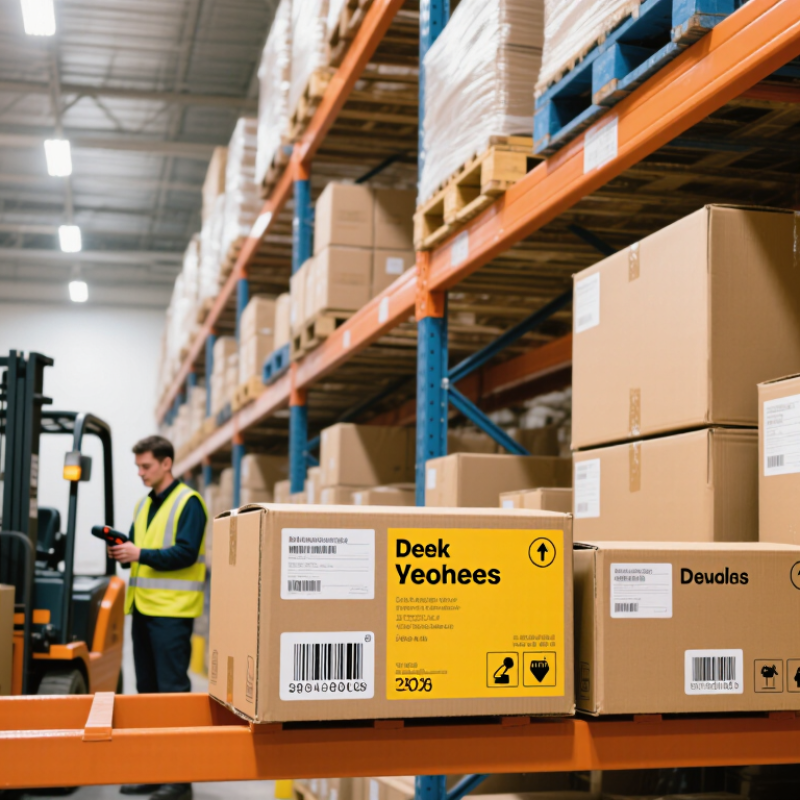
Packaging labels are the practical language of global trade. They identify what a product is, how much it contains, where it originated, and how it should be handled. A label may also carry batch numbers, dimensions, storage conditions, and traceability details. These details help buyers compare shipments and help warehouses receive goods correctly. Clarity matters. A smudged date can create doubt before the carton is even opened.
In real receiving work, small label differences cause large delays. A carton marked only with a local measurement once confused our inventory count. The goods were correct, but the unit was not obvious. We had to check the packing list and ask the supplier for confirmation. That experience showed why labels should support documents, not contradict them. Global buyers also need consistent wording, readable print, durable materials, and suitable translations. Symbols can help, but they should not replace essential written information.
Reliable labeling begins before production. Buyers should agree on label fields, language, placement, barcode format, and revision control.
They should also confirm destination-market requirements through current official guidance or qualified compliance professionals. Rules and buyer expectations can change.
A label that worked last year may need review today. I would not treat a template as permanent. Packaging labels connect the factory, carrier, customs process, warehouse, and final customer. When every field is checked against the product and documents, fewer questions interrupt the journey.
Packaging labels are a buyer’s first reliable conversation with an unfamiliar product. They explain what it is, how to use it, where it came from, and how to store it. Across borders, that conversation becomes more demanding. A temperature symbol may be clear in one market but confusing elsewhere. Millilitres, ounces, dates, allergens, and recycling marks also require careful interpretation.
Smithers’ The Future of Global Packaging to 2028 estimates that the global packaging market will exceed 1.2 trillion dollars by 2028. This scale makes label accuracy commercially important, not decorative. Multilingual instructions, consistent measurement units, traceability codes, and scannable product data help distributors reduce receiving errors. GS1 standards also support consistent identification through barcodes and digital records. Clarity travels better.
A strong label considers the person holding the package in a real setting. Imagine a warehouse worker checking a damp carton, or a shopper reading small text under poor lighting. Contrast, font size, symbols, and language order can affect the decision within seconds. Digital links can provide expanded information, but they should not replace essential printed details. Labels are not flawless. A translation can be technically correct yet culturally awkward. A recycling symbol can look familiar but mean something different locally. Reviewing labels with regional users, logistics teams, and compliance specialists can expose these gaps before shipment. Details build confidence, though we still underestimate how quickly one unclear line can create doubt.
Global buyers do not judge a label by appearance alone. They look for legal details that support import clearance, safe handling, and customer trust. In practical label reviews, small omissions often cause bigger delays than poor design. A missing lot code can weaken traceability. An unclear warning can create avoidable questions during customs checks.
Buyers commonly expect the responsible manufacturer or importer, country of origin, net quantity, and product identity. Food and cosmetic labels may need ingredients, allergen declarations, usage directions, and date information. Industrial goods can require safety warnings, material details, operating limits, and conformity information. The exact rules depend on the destination market and product category. Use the required local language, units, and approved symbols. Do not assume one universal label works everywhere. That assumption is costly.
A reliable label also carries a batch or lot number, storage conditions, and contact details for responsible parties. These details help customs officers, distributors, and consumers verify the product’s path. Clear contrast and readable font size matter, especially on small containers. Warnings should remain visible after transport, moisture exposure, and ordinary handling. Before printing, buyers should compare artwork with current official requirements and technical files. Independent review is useful, but it cannot replace competent local advice. Labels are not always perfect. A final language check can still catch an incorrect unit or translated warning.
Global buyers expect packaging labels to communicate legally required product information clearly and consistently. The chart shows how many of six major markets generally require or conditionally require each label detail for prepacked food products: the European Union, United States, United Kingdom, China, Canada, and Australia/New Zealand.
Requirements vary by product category, exemptions, claims, and destination country. Exporters should verify the applicable local regulations before finalizing artwork.
Why Are Packaging Labels Important for Global Buyers?
Clear packaging labels reduce friction across shipping, customs, and warehouse handling. UNCTAD reports that over 80% of global merchandise trade by volume moves by sea. A carton may therefore pass through several ports before reaching its buyer. Small errors travel far. Missing consignee details, unreadable barcodes, or unclear carton counts can delay receiving teams. The World Bank’s 2023 Logistics Performance Index gathered responses from nearly 4,000 trade professionals across 139 countries. Its findings underline how tracking, customs, and delivery reliability affect international supply chains. Labels support all three areas when their information matches shipping documents.
A useful label should show the product description, quantity, net and gross weight, dimensions, country of origin, and shipment reference. Handling marks should remain visible on two sides, especially when cartons face crowded pallets. Arrows, moisture warnings, and stacking limits help workers make faster decisions. Standards such as the WCO Data Model encourage consistent trade information, but a label does not replace customs paperwork. It must agree with the invoice and packing list. Warehouse experience also reveals an uncomfortable detail: more information is not always better. Tiny text, low contrast, and crowded symbols can slow scanning. A simple test helps. Ask a new handler to identify the carton in five seconds. If they hesitate, the design needs another review. Mistakes still happen, especially after repacking or relabeling, so buyers should verify samples before full production.
| Operational Area | Label Information | Relevant Fact or Requirement | How It Supports Global Buyers | Risk When Information Is Missing or Unclear |
|---|---|---|---|---|
| Product Identification | Product name, model or item reference, quantity, and readable identification code | Consistent identification helps match physical cartons with purchase orders, invoices, packing lists, and warehouse records. | Reduces receiving errors and makes stock verification faster across different languages and locations. | Cartons may be misidentified, counted incorrectly, or held for manual inspection. |
| Shipping Marks | Consignee reference, carton number, destination, purchase-order reference, and total package count | Package marks are commonly used by carriers, freight forwarders, warehouses, and receiving teams to identify shipments. | Supports shipment consolidation, carton tracking, and accurate delivery to the intended destination. | Packages can be separated from the shipment or delivered to the wrong receiving area. |
| Country of Origin | Clearly stated country where the goods were produced or manufactured | Country-of-origin marking is used by customs authorities to apply import rules, trade measures, and documentation requirements. | Gives customs brokers and buyers information needed for import review and product records. | Customs clearance may be delayed, or additional documentation may be requested. |
| HS Classification Reference | Harmonized System commodity code, normally using the internationally standardized six-digit level | The Harmonized System provides a common basis for classifying traded goods; national tariff schedules may add further digits. | Helps buyers and customs brokers prepare more consistent import declarations and estimate applicable duties. | Incorrect classification can lead to reclassification, duty adjustments, penalties, or shipment delays. |
| Quantity and Dimensions | Net quantity, gross weight, package dimensions, and number of units per carton | Shipping and customs documents frequently require package quantity and weight information; metric units are widely used in international trade. | Supports freight planning, warehouse space allocation, landed-cost calculations, and receiving checks. | Freight charges may be inaccurate, storage planning may fail, or quantity disputes may occur. |
| Handling Instructions | Instructions such as “This Way Up,” “Keep Dry,” “Fragile,” or “Do Not Stack,” where appropriate | Handling marks communicate the precautions needed to reduce damage during loading, transport, and storage. | Provides quick visual guidance to workers even when they do not share the buyer’s language. | Improper lifting, stacking, moisture exposure, or orientation may damage the goods. |
| Dangerous Goods | Applicable hazard label, proper shipping name, UN number, and handling information | Dangerous goods transport is governed by modal and national rules based on the UN Model Regulations, with specific requirements varying by transport mode. | Allows carriers and handlers to recognize hazards and apply the correct segregation and emergency procedures. | The shipment may be refused, stopped in transit, or handled unsafely. |
| Regulatory and Safety Information | Required warnings, material information, use instructions, and applicable conformity markings | Label requirements vary by product category and destination market, including rules for chemicals, food, batteries, textiles, and electrical goods. | Helps buyers assess whether products can legally enter, be sold, or be used in the destination market. | Goods may require relabeling, corrective action, withdrawal, or additional regulatory review. |
| Traceability | Batch number, lot number, serial number, production date, or expiry date when applicable | Traceability information links a product or shipment to production and quality records. | Supports recalls, warranty checks, quality investigations, and targeted inventory control. | Affected goods may be difficult to isolate, increasing the cost and scope of corrective action. |
| Barcode or Digital Identifier | Machine-readable barcode or other standardized data carrier linked to shipment or item records | Machine-readable identifiers can reduce manual data entry when the receiving system supports the relevant format. | Improves scanning efficiency, inventory accuracy, and electronic shipment visibility. | Manual entry may increase processing time and the likelihood of transcription errors. |
| Language and Legibility | Required local-language text, high contrast, durable printing, and readable font size | Destination-market rules may specify language, warning, or readability requirements; labels must remain legible throughout handling. | Enables customs officers, carriers, warehouse staff, and end users to understand essential information. | Unreadable or incomplete labels can cause inspection delays, handling mistakes, or compliance problems. |
| Packaging Material Information | Material identification or recycling information when required by the destination market | Packaging, waste, and extended-producer-responsibility rules differ by jurisdiction and product type. | Helps buyers meet local disposal, recycling, and sustainability reporting obligations. | Importers may face relabeling costs, reporting gaps, or non-compliance with local packaging rules. |
Global buyers often judge a shipment before opening the carton. A clean label shows care, control, and respect for the customer’s process. It should display the product name, net weight, batch code, origin, handling guidance, and contact details. Small details matter. A smudged date or missing unit can delay receiving and create costly questions.
In export work, I have seen warehouses reject cartons because labels were hard to scan. Accurate barcodes, readable fonts, and consistent placement help staff move goods faster. Labels should also match the packing list and commercial documents. A quality team can check samples before loading, while a second person verifies translated wording. This simple review often catches confusing units, spelling errors, and incomplete instructions.
Trust grows through evidence, not attractive design alone. Buyers need labels that remain readable after transport, humidity, and repeated handling. Waterproof material may help, but it should fit the product and shipment conditions. Requirements also vary by destination market, so a standard label may not work everywhere. That is an uncomfortable lesson. Perfect formatting cannot replace careful research. Clear records, inspection photos, and traceable batch information give buyers practical confidence when problems occur.