What Are the Top Paper Packaging Supplies from China?

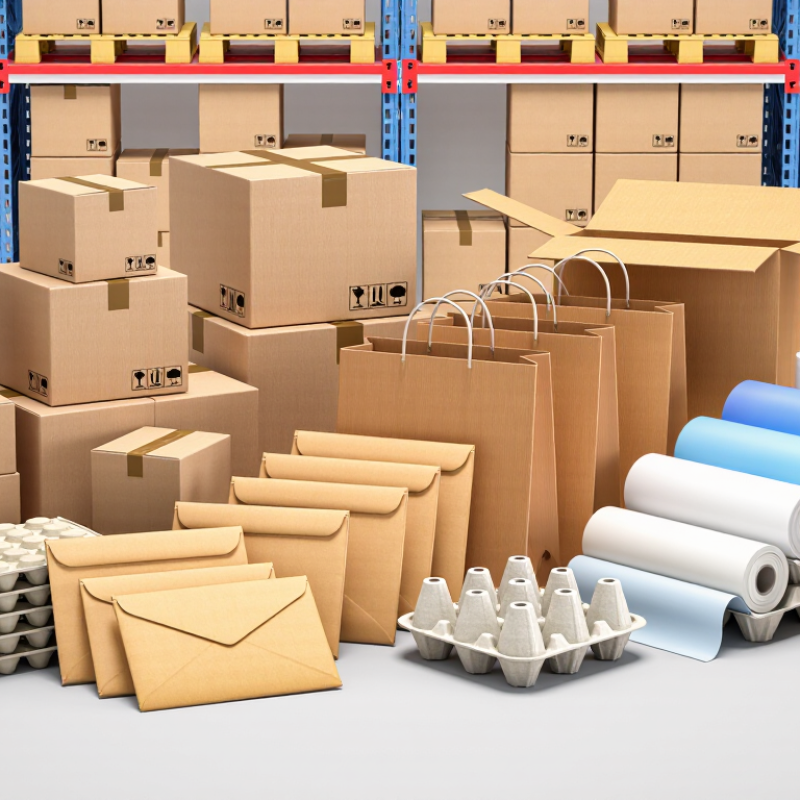
China has become a major source of paper packaging supplies for retailers, manufacturers, and online businesses. Its factories produce corrugated cartons, kraft mailers, paper bags, tissue paper, molded pulp trays, and paper tubes. These products serve different shipping, display, and storage needs.

Choosing the right supplier requires more than comparing prices. In practice, material grade, moisture resistance, print quality, and compression strength can change the final result. A carton may look attractive but fail during a long delivery. Small details matter. Ask for samples before placing a large order. Check flute type, paper thickness, recycled content, and closure design. For printed packaging, inspect color consistency and ink adhesion under normal handling.

Reliable buyers also review factory experience, production records, quality controls, and relevant certifications. FSC certification may support responsible forest sourcing, while other standards can address food contact, recycling, or factory management. Requirements differ by destination and product category, so documentation should be verified carefully. Supplier communication matters too. Clear drawings, accurate dimensions, and written tolerances prevent expensive misunderstandings.

Still, sourcing from China is not automatically simple. Shipping delays, changing material costs, and inconsistent batches can affect planning. No supplier is perfect. A thoughtful evaluation should include backup options, inspection procedures, packaging tests, and realistic delivery schedules. This guide examines the top paper packaging supplies from China and explains where each option performs best. It also highlights practical limitations, helping buyers make more informed and responsible purchasing decisions.
What Are the Top Paper Packaging Supplies from China?

What Are Paper Packaging Supplies and Why Source Them from China?

What Are the Top Paper Packaging Supplies from China?

What Are Paper Packaging Supplies and Why Source Them from China?

Paper packaging supplies include kraft paper, corrugated boxes, folding cartons, paper bags, labels, and molded-pulp inserts. They protect products while reducing plastic use in many applications. Corrugated packaging works well for shipping because its fluted layers absorb impact. Folding cartons suit cosmetics, food, and household products. Molded pulp protects bottles, electronics, and fragile components.

China remains a major sourcing base because it offers broad converting capacity and mature paper supply chains. The China Paper Association reported 129.65 million tonnes of paper and paperboard production in 2023.

This scale supports flexible order sizes, custom printing, and various board grades. FAO forestry statistics also place global paper and paperboard production above 400 million tonnes annually. The demand is substantial.

The practical advantage is not simply lower pricing. Buyers can compare recycled content, coating types, compression strength, and print quality through one manufacturing market. A reliable supplier should provide material specifications, test reports, samples, and traceable production records.

I would not treat a low quotation as proof of value.

Weak glue, uneven cutting, or hidden moisture can damage shipments quickly. That is the uncomfortable part. Factory audits and pre-shipment inspections still matter, even when samples look excellent. Some packaging choices also need reconsideration, because recyclable paper is not automatically suitable for every product or climate.

Which Types of Paper Packaging Supplies Are Most Common?

What Are the Top Paper Packaging Supplies from China?

China offers a broad range of paper packaging supplies, but several formats dominate daily purchasing. Corrugated boxes remain the workhorse for shipping, warehousing, and retail delivery. Folding cartons serve cosmetics, food, electronics, and household products. Paper bags, kraft wrapping paper, paper mailers, and molded-pulp inserts are also widely available.

The China Paper Association reported approximately 129.65 million tonnes of paper and paperboard production in 2023. This figure covers more than packaging, so it should not be treated as a direct packaging total. Still, it shows the scale of China’s paper supply chain. FAO statistics also place global paper and paperboard production above 400 million tonnes annually. The market is substantial.

In practical sourcing, corrugated board grades often receive the most attention. Buyers compare flute type, burst strength, edge crush strength, and moisture resistance. Folding cartons require careful checking of paper weight, folding accuracy, coating, and print consistency. Molded-pulp packaging needs proper fit testing around the product. It can look strong, yet crack at thin corners.

Paper bags are common, but handle attachment and bottom construction deserve closer inspection. A sample may perform well in a showroom and fail after repeated lifting. That is an uncomfortable but useful lesson. Recycled content, fiber traceability, and regional recycling rules should also be verified through current documents, not assumptions.

How Are Paper Packaging Supplies Made and Customized in China?

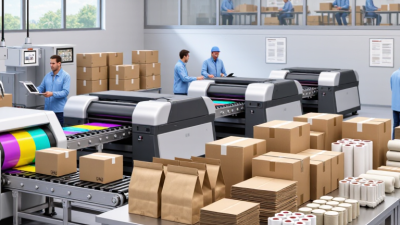
China’s paper packaging supplies include folding cartons, kraft mailers, paper bags, tissue wraps, and molded fiber trays. Their production usually starts with pulp selection, sheet forming, drying, and surface treatment. Factories then print, laminate, cut, crease, and fold the material into its final shape.

Customization depends on more than artwork. Buyers must confirm paper weight, dimensions, opening style, color tolerance, coating, handle strength, and packing method. A practical supplier normally prepares a digital proof and a physical sample before mass production. This matters because a package can look accurate on screen but feel weak in hand. I have seen attractive prototypes fail during stacking tests. That mistake is easy to overlook.

Tips: Send clear drawings, product measurements, and reference photos. Request a sample before approving production. Check color under natural and warehouse lighting. Ask for material declarations and quality inspection records. Keep the first order modest when the design is untested. Small changes in crease depth or paper grain can improve folding, although they may also change the final appearance. Production schedules can shift during busy seasons, so written specifications and inspection checkpoints improve reliability.

What Quality and Sustainability Standards Should Buyers Check?

When sourcing paper packaging supplies from China, buyers often compare cartons, kraft mailers, paper bags, tissue, and molded-pulp inserts. Product appearance matters, but measurable standards matter more. Ask for paper grade, basis weight, moisture resistance, compression strength, and dimensional tolerances. A carton that looks strong may collapse after several days in humid storage.

Check whether the supplier operates under ISO 9001 quality management procedures. Request recent laboratory reports for burst strength, edge crush resistance, colorfastness, and migration safety when packaging touches food. Test reports should identify the exact material, production date, testing method, and laboratory. Generic certificates are weak evidence. I would also request samples from a normal production batch, not only carefully selected samples.

Sustainability claims require closer inspection. Look for valid FSC or PEFC chain-of-custody certification, where relevant, and verify the certificate number independently. Ask for the recycled fiber percentage and evidence supporting that claim. ISO 14001 can indicate structured environmental management, but it does not prove every package is eco-friendly. Check water-based inks, adhesive composition, coating recyclability, and factory waste records. Small details matter. A glossy coating may prevent ordinary recycling. Compostable packaging also needs suitable certification and local disposal facilities. It is easy to overtrust a green label. Packaging performance, transport damage, and real end-of-life conditions should be reviewed together.

How Can Buyers Choose Reliable Chinese Paper Packaging Suppliers?

What Are the Top Paper Packaging Supplies from China?

Reliable Chinese suppliers often produce paper boxes, kraft bags, corrugated mailers, tissue paper, and printed labels. The best choice depends on your product, shipping route, and unboxing needs. A strong supplier should explain paper grades, coatings, printing methods, and load limits clearly. Vague answers deserve caution. Ask for samples.

Request samples made with the same paper, printing, and finishing as your planned order. Check the details. Measure dimensions, fold the cartons, and test handles under realistic weight. Paper is sensitive. Humidity can affect strength, color, and adhesive performance. Experienced suppliers should discuss storage conditions and recommend suitable materials for your climate.

Buyers should verify factory information, production capacity, quality procedures, and export experience. Independent inspections can confirm quantity, dimensions, moisture levels, and print accuracy before shipment. Review test reports carefully, but do not treat documents as complete proof. A polished sample may hide inconsistent mass production. I have learned that clear specifications prevent more problems than attractive promises. Agree on tolerances, packaging methods, replacement terms, and communication schedules in writing. Reliable suppliers usually welcome reasonable questions and provide traceable production updates. Slow replies, changing specifications, or pressure for fast payment are practical warning signs. Perfect cooperation is rare, so leave room for correction and keep every approval recorded.

Scroll to Top