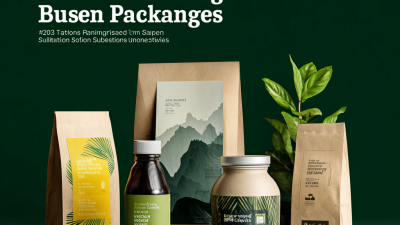
China’s paper packaging industry serves retailers, food brands, exporters, and industrial manufacturers worldwide. This guide introduces ten notable Chinese suppliers of paper packaging supplies, with attention to product range, manufacturing capability, customization, and service reliability.
The selected companies may offer corrugated boxes, folding cartons, kraft bags, paper tubes, molded fiber products, labels, and protective inserts. Some focus on high-volume production, while others support smaller branded orders. Their factories may use offset printing, flexographic printing, digital proofing, die cutting, laminating, and automated packing lines. These details matter when packaging must survive moisture, stacking pressure, long-distance transport, or repeated handling.
Supplier evaluation should go beyond attractive catalogs. Buyers should review material specifications, sample quality, production lead times, minimum order quantities, quality controls, and export experience. Certifications such as FSC, ISO, or food-contact documentation can be useful, but they should be checked for validity and application. A certificate alone does not guarantee consistent performance. Request recent samples. Inspect the edges, folds, glue lines, print registration, and internal strength. Small defects can become expensive at scale.
No ranking is perfect. A supplier suitable for luxury cosmetics may not fit frozen food packaging or heavy industrial shipments. Pricing can also change with paper grades, energy costs, exchange rates, and order volume. Therefore, this overview should support further due diligence rather than replace it. The strongest partnership usually combines transparent communication, realistic testing, and clearly documented responsibilities. Reliability develops over time, not from a polished website.
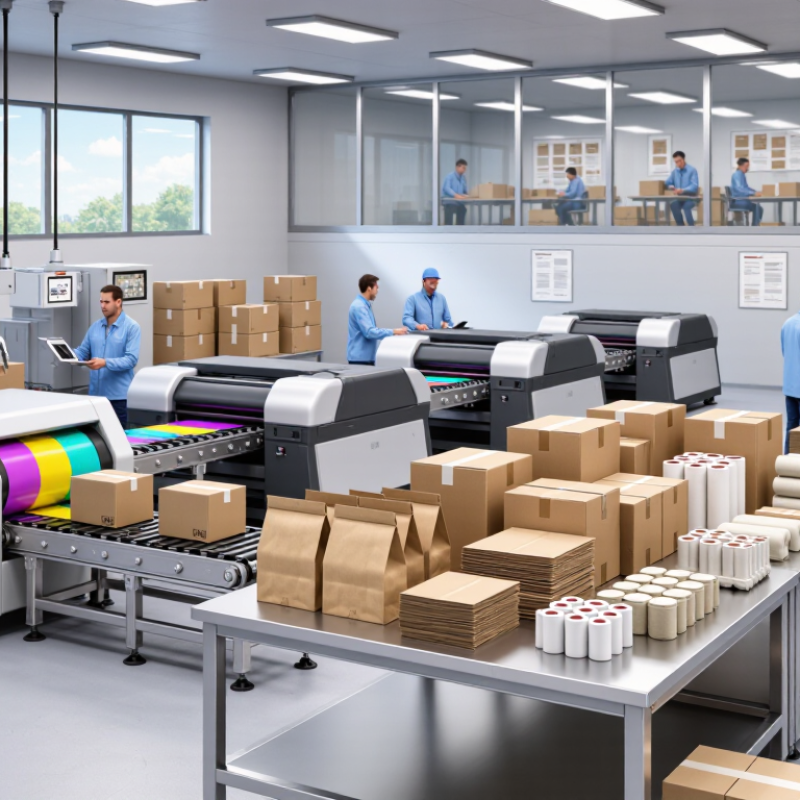
A leading supplier offers more than cartons, bags, or molded paper. It controls material quality from pulp selection to final inspection. Smithers’ The Future of Global Packaging to 2028 reports continued growth in paper-based packaging, driven by food delivery, e-commerce, and sustainability targets. This growth increases pressure on suppliers to prove consistency, not merely promise capacity.
Experienced buyers should examine grammage records, moisture resistance, compression results, and color tolerances. A reliable factory can show test samples beside production samples. It should also provide batch traceability and clear corrective-action reports. ISO 9001 systems help, but certificates alone are not enough. Factory discipline matters more.
Sustainability claims need evidence. The Forest Stewardship Council’s market data shows certified forest products remain important for responsible sourcing. Buyers should request valid chain-of-custody documents, recycled-content percentages, and chemical compliance statements. The European Commission’s packaging policy discussions also show stricter attention to recyclability and waste reduction.
A strong supplier communicates early about limitations. That is valuable. It may reject an unsuitable coating or suggest a stronger board grade. These decisions can reduce returns and damaged goods. However, supplier rankings can become shallow when they measure only export volume or factory size. Real performance appears after repeated shipments, changing humidity, and urgent revisions. One missed detail can expose the difference.
When evaluating Chinese paper packaging manufacturers, begin with material control, not catalog size. Ask for fiber origin, recycled content, moisture limits, and batch traceability. Cepi’s 2023 statistics reported a 79.3% paper recycling rate in Europe in 2022. This figure raises a practical question: can the supplier document recycled fiber quality consistently? Request test records for basis weight, caliper, bursting strength, and edge crush resistance. Small variations can damage cartons during humid warehouse storage.
Production capability needs physical verification. Review machinery age, maintenance logs, sampling procedures, and rejected-batch records. A reliable factory should provide samples from several production lots, not one polished sample. Check whether cartons remain square after stacking and whether printed surfaces resist scuffing. Smithers has identified e-commerce as a continuing driver of protective paper packaging demand, increasing pressure on suppliers to balance strength with material reduction. Lightweight packaging is attractive. It can also fail early.
Compliance evidence must be specific. Confirm food-contact suitability when relevant, restricted-substance controls, worker-safety systems, and export documentation for the destination market. Independent laboratory reports are more useful than general certificates. Audit the facility during active production if possible. No audit is perfect. I would also compare defect rates, corrective-action speed, minimum order quantities, and delivered cost. A cheaper quotation may conceal weak pallets, delayed replacements, or excessive inspection work. Lead time should include testing, tooling, production, and transport buffers. Reliability is measured after problems appear.
China’s Top 10 Paper Packaging Supplies Suppliers
China’s top 10 paper packaging supplies suppliers serve many industries, from food delivery to retail and electronics. Their product ranges often include kraft bags, corrugated cartons, paper tubes, folding boxes, wrapping paper, and molded pulp inserts. Some factories focus on custom printing, while others perform better with standard packaging and faster production.
A reliable comparison should begin with material quality. I check paper thickness, moisture resistance, compression strength, and print clarity. Samples reveal more than a polished catalog. I also review factory equipment, production records, quality controls, and export experience. Clear batch tracking matters when packaging reaches several warehouses. Food-related projects require suitable materials and documented testing.
Lead time deserves close attention. A supplier may quote ten days, then need longer during peak seasons. No supplier is perfect. I once overlooked carton stacking performance because the surface printing looked excellent. That mistake increased warehouse damage. Buyers should request sample approval, packing details, inspection photos, and written specifications before placing large orders. Responsible suppliers communicate limits openly, protect customer data, and explain material changes before production. This practical approach makes China’s top ten paper packaging supplies suppliers easier to compare, even when prices and capabilities differ.
| Rank | Supplier Code | Main Manufacturing Region | Primary Paper Packaging Products | Typical Materials | Customization Capability | Common Export Markets | Typical Customer Segments |
|---|---|---|---|---|---|---|---|
| 1 | Supplier A | Guangdong | Folding cartons, rigid boxes, paper bags | Folding boxboard, kraft paper, recycled paperboard | Offset printing, foil stamping, embossing, die-cutting | North America, Europe, Southeast Asia | Retail, cosmetics, food, consumer goods |
| 2 | Supplier B | Zhejiang | Corrugated cartons, mailer boxes, shipping cases | Kraft liner, test liner, corrugated medium | Flexographic printing, structural design, short-run production | Europe, Australia, North America | E-commerce, logistics, appliances, industrial goods |
| 3 | Supplier C | Jiangsu | Paper food boxes, takeaway containers, cup carriers | Food-grade paperboard, coated paper, kraft board | Grease-resistant coatings, water-based inks, custom sizes | North America, Europe, Middle East | Foodservice, restaurants, catering, ready-to-eat food |
| 4 | Supplier D | Fujian | Paper shopping bags, gift bags, retail packaging | Kraft paper, art paper, coated paper | Rope handles, ribbon handles, lamination, spot coating | Europe, North America, Japan, South Korea | Fashion, retail, events, promotional merchandise |
| 5 | Supplier E | Shandong | Paper tubes, composite cans, cylindrical packaging | Spiral-wound paperboard, kraft paper, recycled board | Printed sleeves, metal or paper ends, internal liners | Europe, North America, Oceania | Tea, coffee, confectionery, cosmetics, hardware |
| 6 | Supplier F | Anhui | Protective inserts, molded pulp trays, paper cushioning | Recycled fiber, molded pulp, corrugated fiberboard | Product-specific molds, printed surfaces, nesting designs | Europe, North America, Southeast Asia | Electronics, appliances, fragile goods, industrial parts |
| 7 | Supplier G | Henan | Paper sacks, valve bags, industrial paper bags | Multiwall kraft paper, sack kraft, recycled kraft paper | Multi-color printing, moisture-resistant layers, custom valves | Africa, Middle East, Southeast Asia, Europe | Building materials, chemicals, agricultural products, food ingredients |
| 8 | Supplier H | Hubei | Pharmaceutical cartons, folding boxes, instruction leaflets | SBS board, coated paperboard, lightweight offset paper | Fine-line printing, variable data printing, tamper-evident features | Asia-Pacific, Europe, Middle East | Healthcare, personal care, laboratory and consumer products |
| 9 | Supplier I | Hebei | Corrugated sheets, heavy-duty cartons, pallet boxes | Double-wall and triple-wall corrugated board, kraft liner | High-strength structures, moisture resistance, large-format printing | Central Asia, Europe, Middle East, Southeast Asia | Machinery, automotive parts, furniture, export logistics |
| 10 | Supplier J | Shanghai | Luxury paper boxes, presentation boxes, premium gift packaging | Rigid greyboard, specialty paper, recycled paperboard | Magnetic closures, fabric wrapping, foil stamping, special finishes | North America, Europe, Japan, Australia | Luxury goods, jewelry, spirits, electronics, corporate gifting |
Note: Supplier identities are intentionally omitted. The ranking is an editorial comparison based on product range, manufacturing specialization, customization capability, export coverage, and typical application sectors.
China Top 10 Paper Packaging Supplies Suppliers?
Product Ranges and Industry Applications
When comparing China’s top paper packaging suppliers, product range matters more than ranking alone. Reliable manufacturers often provide kraft paper bags, corrugated cartons, folding boxes, paper tubes, mailers, and protective inserts. Some also offer recycled paper, water-based coatings, custom printing, and die-cut structures. These products serve e-commerce, food service, cosmetics, electronics, retail, and industrial shipping. A strong supplier should explain paper weight, flute type, load limits, moisture resistance, and printing performance clearly.
Tips: Request samples before placing a large order. Test compression, folding, odor, and surface quality. Check material certificates and production inspection records. Ask whether the quoted price includes tooling, printing plates, and export packaging. Small details can change the final cost.
Applications differ greatly. A bakery may need grease-resistant folding cartons, while an electronics distributor may require shock-absorbing corrugated inserts. Heavy machinery needs stronger board and accurate internal supports. Paper tubes suit posters, textiles, and cylindrical products. However, “eco-friendly” should not be accepted without evidence. Recycled content, coating type, transport distance, and recyclability all matter. In my experience, product photos can look perfect, yet samples may reveal weak edges or uneven printing. That is worth reconsidering. A dependable supplier combines suitable materials, repeatable quality, responsive communication, and practical testing before mass production.
Selecting a Chinese paper packaging supplier requires more than comparing unit prices. I have learned that a low quotation can hide weak materials, unclear tolerances, or unstable production. Request physical samples before discussing large orders. Check paper thickness, folding accuracy, print color, glue strength, and surface finish under normal handling.
Ask for production photos, quality procedures, and recent testing documents. A factory should explain its equipment, monthly capacity, minimum order quantity, and expected lead time clearly. Confirm whether it can produce cartons, bags, sleeves, or molded paper items at your required scale. For food, cosmetics, or children's products, review applicable safety requirements and request relevant material declarations. Keep records.
Communication matters. Send technical drawings with dimensions, paper grade, artwork files, packing instructions, and acceptance limits. Ask how defects are counted and corrected. A video tour helps, but it cannot replace an independent inspection. I once trusted approved samples too much; the bulk shipment showed uneven creasing. That shortcut was costly. Small trial orders are safer. They reveal packing damage, shipment delays, and response quality.
Evaluate payment terms, export experience, traceability, and after-sales support. A reliable supplier should identify the responsible contact and provide a written production schedule. Do not select only the largest factory. A smaller facility may offer closer attention, but its backup capacity could be limited. No checklist is perfect. Recheck assumptions when the design, material, or destination market changes.