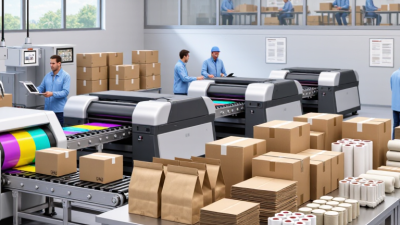
What Are the Best Paper Packaging Supplies from China?

Choosing the best paper packaging supplies from China requires more than comparing prices. A strong decision begins with the product itself. Is it fragile, oily, heavy, or sensitive to moisture? A bakery may need grease-resistant paper bags. An electronics seller may need molded pulp protection, kraft mailers, and reinforced paper tape. These details determine whether packaging performs well during storage, transport, and delivery.

Dr. Susan Selke, a respected packaging sustainability expert, emphasizes a practical principle: “Packaging is a system, not simply a container.” Her view helps buyers assess the complete supply chain. Material thickness matters. So do printing quality, folding accuracy, moisture resistance, and carton compression strength. Reliable Chinese manufacturers should provide clear specifications, material samples, test reports, and production photographs. Buyers should also verify factory experience, quality-control procedures, and communication speed. A beautiful sample proves little.

The best paper packaging supplies balance protection, appearance, cost, and responsible material use. Recycled kraft paper may suit a retail brand, while molded pulp may protect bottles or small appliances. Custom printing can improve recognition, but excessive ink coverage may complicate recycling. That trade-off deserves attention. Not every “eco-friendly” claim is equally meaningful. Ask for evidence.

There is no perfect supplier. A low quotation can hide weak testing or inconsistent sizing. A premium option may exceed the product’s real needs. Careful buyers compare samples under realistic conditions, including stacking, humidity, and repeated handling. Small flaws often appear late. That is why thoughtful evaluation matters before placing a large order.
What Are the Best Paper Packaging Supplies from China?

Paper Packaging Supplies: Definition, Types, and Main Applications

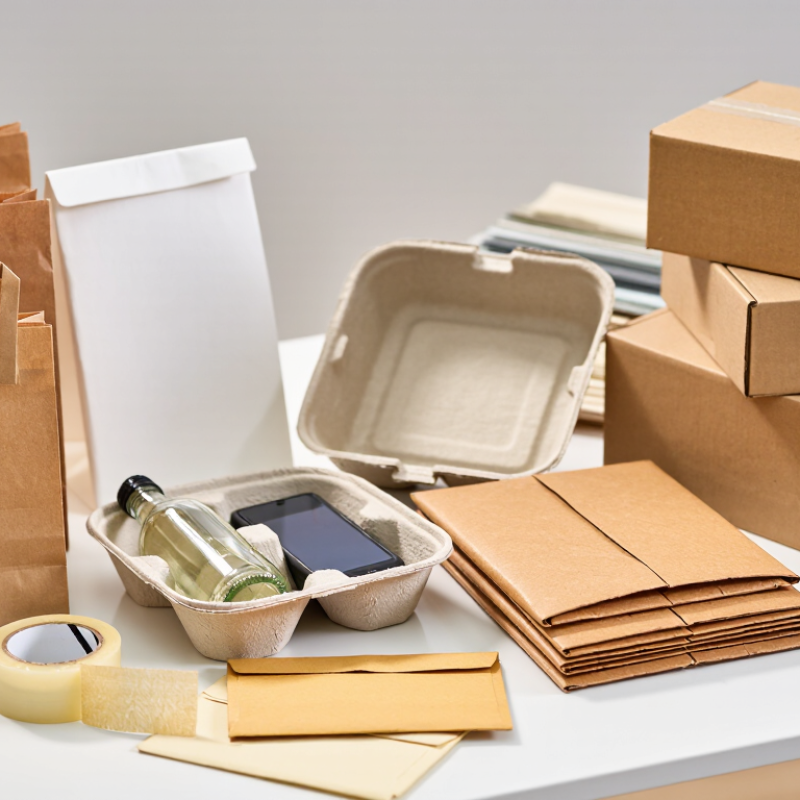
Paper packaging supplies are materials made from paper or fiber for protection, presentation, and shipping. In China, common options include kraft paper, corrugated board, paper bags, cartons, tissue, labels, and molded-pulp inserts. Each material serves a different purpose. Kraft paper wraps glass jars and cushions small items. Corrugated mailers protect products during warehouse handling. Molded pulp holds shaped goods without plastic foam. Simple materials matter.

The main types differ by structure and surface treatment. Folding cartons suit cosmetics, dry foods, and household products. Paper tubes protect posters, candles, and rolled textiles. Grease-resistant sheets support bakery and takeaway applications. Water-based coatings can improve moisture resistance, but they may affect recycling in some local systems. Paper thickness, fiber content, printing method, and die-cut accuracy should match the product weight. A beautiful sample can still fail. Test it under pressure, humidity, and repeated opening.

Reliable sourcing requires more than comparing unit prices. Request material specifications, production samples, and recent test reports. Check compression strength for shipping boxes and edge quality for folded cartons. For food-related packaging, confirm suitable food-contact documentation for the destination market. Ask how recycled content is measured. Claims can be unclear. A small pilot order often reveals odor, color variation, weak seams, or slow assembly. Clear artwork files and agreed tolerances reduce waste. The best supply is not always the cheapest; it is the one that performs consistently in its actual application.

Key Materials Used in Chinese Paper Packaging Products

What Are the Best Paper Packaging Supplies from China?

Chinese paper packaging products rely on several practical materials. Kraft paper is common for bags, wraps, and shipping cartons. It offers good tear resistance and a natural appearance. Recycled kraft paper can reduce virgin fiber use, but its strength may vary between batches. Ask suppliers for basis weight, recycled content, and recent test records.

Corrugated board protects products during storage and transport. Its fluting absorbs impact, while the outer liners provide printing space. A heavier board is not always better. I have seen oversized cartons waste material and increase shipping costs. The right grade depends on product weight, stacking time, and humidity exposure. Paperboard works well for folding boxes, sleeves, and retail inserts. Coated paper gives sharper images, although it can complicate recycling in some structures.

Molded pulp is useful for trays, corners, and protective inserts. It fits irregular products better than simple paper sheets. Water-based inks and paper-based adhesives are often preferred for cleaner processing. However, performance still depends on drying, storage, and application control. Suppliers should provide fiber specifications, moisture data, and compression results. Do not accept a certificate without checking its scope and date. Material selection is rarely perfect. Cost, appearance, protection, and recyclability can conflict. That trade-off deserves careful testing.

Best Paper Packaging Supplies for Different Business Needs

What Are the Best Paper Packaging Supplies from China?

Choosing the right paper packaging depends on the product, shipping route, and customer expectations. For e-commerce, corrugated mailers and kraft paper cushioning offer light protection without excessive volume. For retail goods, folding cartons provide printable surfaces and consistent shelf presentation. Paper bags suit boutiques, takeaway counters, and event merchandise. Food businesses may need grease-resistant paper, paperboard trays, or coated cartons designed for direct contact. Always request material specifications and migration test reports before placing large orders.

Industry data supports this shift. Smithers’ The Future of Packaging: Global Market Forecasts to 2028 reports continued growth in paper-based packaging, driven by e-commerce and sustainability goals. The World Packaging Organisation also identifies recyclability and material reduction as major packaging development priorities. However, “paper” does not automatically mean environmentally harmless. Plastic coatings, heavy inks, and mixed materials can complicate recycling. That detail is often missed.

For China sourcing, compare samples under real conditions. Test a mailer with your heaviest product. Leave it in a humid warehouse. Check crushed corners, tearing, print rub, and closure strength. A lower paper grammage may reduce cost, but it can increase returns. This trade-off deserves honest review. Ask suppliers for caliper, burst strength, recycled content, and production tolerances. Small businesses may prefer standard sizes, while large retailers need custom dies and stable repeat quality. Packaging that looks impressive on a screen can disappoint during delivery.

What Are the Best Paper Packaging Supplies from China? – Best Paper Packaging Supplies for Different Business Needs
Packaging Supply Typical Paper Material Common Specifications Best for Different Business Needs Key Advantages Important Considerations
Folding Cartons Paperboard, commonly coated or uncoated Approximately 250–600 gsm; flat-packed structure; custom die-cut shapes Cosmetics, food products, household goods, and retail items Lightweight, printable, space-efficient during transport, and suitable for high-volume production The board grade should match the product weight and protection requirements. Food-contact applications require suitable compliant materials and inks.
Corrugated Shipping Boxes Fluted corrugated fiberboard with kraft or test liners Single-wall or double-wall construction; flute profiles selected according to strength needs E-commerce fulfillment, export shipping, electronics, and bulky products Good stacking strength, cushioning, and protection against compression during distribution Box strength depends on board grade, flute type, dimensions, humidity, and stacking conditions.
Paper Bags Kraft paper or white paper Usually made from approximately 60–120 gsm paper; twisted or flat handles available Retail stores, restaurants, bakeries, takeaway food, and promotional events Reusable for many light-to-medium loads, printable, and easy to store when flat Handle construction and paper strength should be selected according to the expected load and moisture exposure.
Paper Food Containers Food-grade paperboard with a water- or grease-resistant coating Commonly used for cups, bowls, trays, and takeaway boxes; multiple volume options Cafés, catering services, fast-food operations, and prepared-food delivery Lightweight, stackable, and designed for direct contact with food when properly certified Hot, oily, acidic, or frozen foods may require different barrier coatings. Verify food-contact compliance for the destination market.
Paper Mailer Envelopes Kraft paper, often with a corrugated or padded interior Self-seal flap; flat or expandable gusset; several standard document and parcel sizes Online retailers shipping clothing, books, documents, and small non-fragile items Lower material volume than rigid boxes, easy to label, and convenient for parcel handling Use padded or corrugated versions for products that need additional impact and abrasion protection.
Paper Wrapping Sheets Kraft, tissue, glassine, or recycled wrapping paper Available in rolls or sheets; thickness and sheet size vary by application Gift shops, apparel packaging, handmade products, and protective inner wrapping Flexible, lightweight, economical, and suitable for branding through printing or patterns Tissue paper protects surfaces but offers limited structural cushioning. Fragile products may need additional protective materials.
Paper Void Fill Recycled kraft paper or crinkle-cut paper Supplied in rolls, pads, or loose-fill formats; machine-dispensed and manual options E-commerce parcels, gift boxes, glassware, and products requiring movement control Helps reduce product movement and can be recycled where local collection systems accept it The amount required depends on box size, product shape, fragility, and the chosen packing method.
Paper Labels and Stickers Self-adhesive paper with permanent or removable adhesive Roll or sheet format; blank, printed, or variable-data versions Product identification, shipping information, barcodes, seals, and promotional packaging Supports traceability, product presentation, and efficient warehouse handling For refrigerated, damp, or oily environments, select a suitable adhesive and moisture-resistant face material.
Paperboard Inserts and Dividers Folded paperboard or corrugated fiberboard Custom-cut cells, partitions, trays, and protective supports Glass bottles, electronics accessories, cosmetics, gift sets, and multi-item kits Separates products, limits contact between items, and improves internal organization Insert dimensions should be tested with the finished product and outer carton to prevent excessive movement or compression.
Paper-Based Rigid Boxes Rigid paperboard wrapped with printed or decorative paper Typically thicker and more durable than folding cartons; hinged-lid, drawer, and magnetic-style structures Premium gifts, jewelry, apparel accessories, subscription boxes, and corporate presentation kits Strong visual appeal, good dimensional stability, and a premium unboxing experience Rigid boxes use more material and storage space than folding cartons, so logistics and assembly costs should be evaluated.
Paper Tape Kraft paper backing with pressure-sensitive or water-activated adhesive Commonly supplied in rolls for carton sealing, bundling, or tamper-evident applications Corrugated carton sealing, warehouse packing, and paper-focused packaging systems Compatible with many paper-based packaging systems and can support a paper-based material stream Adhesion varies with carton surface, temperature, dust, and humidity. Test performance before large-scale use.

How to Evaluate Chinese Paper Packaging Manufacturers

What Are the Best Paper Packaging Supplies from China?

How to Evaluate Chinese Paper Packaging Manufacturers

Choosing paper packaging from China requires more than comparing prices. A reliable manufacturer should explain its paper grades, coating options, printing process, and production limits clearly. Ask for technical data sheets, recent samples, and test reports before discussing large orders. Samples should match the final structure, not merely look attractive in photographs.

A factory audit can reveal practical details. Check raw material storage, moisture control, cutting accuracy, printing cleanliness, and packing methods. Review its quality inspection records and ask how defective cartons are handled. Confirm whether the facility can maintain stable output during busy seasons. Capacity claims can be optimistic. Verify them through production schedules, machine lists, and references from comparable projects.

Sustainability also needs evidence. Request information about recycled content, responsible fiber sourcing, water-based inks, and waste management. Certification documents should be current and traceable. Do not accept unclear scans or generic promises. Product safety is equally important when packaging touches food, cosmetics, or other regulated goods. Confirm the required testing for your market and material type. Communication deserves careful testing too. Send a detailed specification sheet and see whether the supplier identifies missing information. Strong manufacturers ask useful questions. Weak ones simply agree.

No audit is perfect. Small defects may still appear after approval. A written quality standard, inspection plan, and replacement procedure can reduce costly surprises. I would also begin with a controlled trial order, because real production often exposes weaknesses that samples hide.

Ordering, Quality Control, and Shipping Considerations in China

When sourcing paper packaging from China, begin with precise specifications, not a product photo. State paper grade, GSM, dimensions, folding style, print coverage, and acceptable color variation. For mailers, define board thickness and burst strength. For bags, confirm handle attachment and load testing. Ask for pre-production samples. A sample often exposes weak folds or inaccurate colors before payment is committed. Use a written agreement covering materials, quantities, tooling, lead time, and replacement terms. Vague approval language creates expensive disputes.

Quality control should happen at more than one point. Review the factory’s material records, then inspect a sealed production sample. An independent inspection can check dimensions, glue bonding, print registration, odor, moisture, and carton counts. Set measurable tolerances, such as ±2 mm for size, instead of saying “good quality.” Photographs help, but they cannot replace physical testing. Keep one. Retained samples make later comparisons easier. Even careful plans can miss humidity exposure.

Shipping decisions affect both cost and product condition. Request carton dimensions, gross weight, stack limits, and estimated completion before booking freight. Paper absorbs moisture, so use dry storage and suitable container protection. Confirm shipping documents, carton marks, packing lists, and the agreed delivery term. For larger orders, split shipments may reduce risk, although they can increase handling fees. That trade-off is easy to underestimate. Build time for port delays and inspection corrections. A rushed schedule can turn a minor defect into a full campaign delay.

Best Paper Packaging Supplies from China

Typical production lead-time ranges for common paper packaging products, excluding international shipping.

How to use this chart: Kraft paper bags, corrugated cartons, and paper mailers are commonly selected for flexible ordering and practical shipping performance. Folding cartons usually require more time because of printing, die-cutting, and finishing requirements.

Before placing an order, confirm paper weight, dimensions, printing colors, coatings, recycled-content requirements, packing method, and acceptable defect limits. Request a pre-production sample and arrange a pre-shipment inspection before the balance payment.

Planning note: Add international transit time, customs clearance, and a buffer for seasonal demand or port delays. The ranges shown are representative China sourcing benchmarks and may vary by specification, order quantity, and production schedule.

Scroll to Top