
China Top Packaging and Supplies Suppliers?
China has become a major sourcing destination for packaging and supplies, serving food, cosmetics, electronics, retail, and industrial brands. Its supplier base ranges from large automated factories to smaller specialists with flexible production lines. This variety creates opportunity, but it also makes comparison difficult. A polished website does not prove manufacturing capability.
This guide examines China’s top packaging and supplies suppliers through practical criteria, including material quality, production capacity, customization, minimum order quantities, lead times, and export experience. It also considers certifications, factory audits, product testing, and communication standards. Details matter. A stable carton board, accurate color matching, and reliable sealing can prevent costly delays. Sample approval should happen before large-scale production.
Sustainability requires careful judgment. Bob Lilienfeld, a recognized packaging sustainability expert, said, “There is no such thing as a sustainable package, only more sustainable packaging systems.” His point remains important when comparing recycled content, coatings, transport weight, and end-of-life options. A supplier may offer recyclable packaging, yet use excessive layers or inefficient shipping. That contradiction deserves attention.
No supplier is perfect. Some may offer attractive prices but provide limited technical support. Others may deliver excellent quality with higher minimum orders. Buyers should verify claims through samples, documentation, production records, and independent inspections. This introduction sets a realistic foundation for evaluating leading Chinese suppliers, without treating rankings as permanent or universal. The best choice depends on product requirements, market regulations, budget, and the buyer’s willingness to inspect the details.
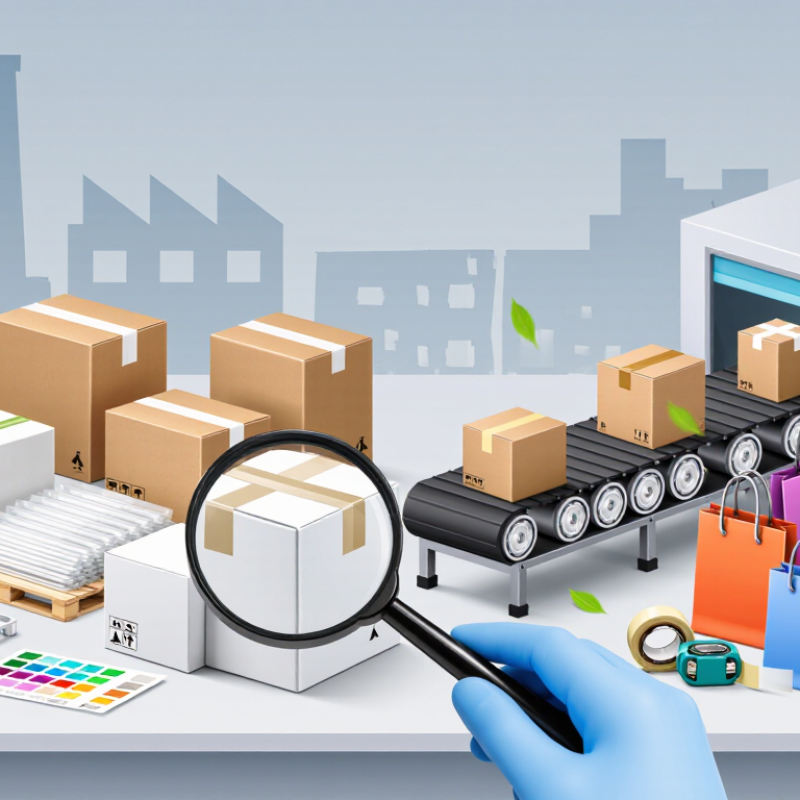
China’s Packaging Industry: 2023 Output Value and Six Core Segments
China’s packaging industry reached approximately RMB 1.2 trillion in 2023, according to China Packaging Federation industry statistics. The figure covers six core segments: paper packaging, plastic packaging, metal packaging, glass packaging, packaging printing, and packaging machinery. Paper and plastic remained the largest categories, supported by food, beverage, household, and e-commerce demand.
China Packaging Federation data also shows a highly fragmented supplier base. Many factories specialize in one process, such as corrugated conversion, injection molding, metal forming, or filling equipment. Smithers’ global packaging research identifies sustainability, lightweighting, and recyclable structures as major market drivers. Yet progress is uneven. Recyclable packaging may require new sealing equipment, testing, and supply-chain adjustments. The label is not enough.
Supplier evaluation should include audited capacity, material traceability, quality records, and export experience. Buyers can request production samples, dimensional reports, and migration-test documentation where relevant. Site visits reveal details that brochures hide, including storage humidity, line cleanliness, and manual inspection practices. China’s packaging output value is substantial, but published figures use different statistical definitions. That makes direct comparisons imperfect. Still, the six-segment structure offers a practical way to compare suppliers, production risks, and technology investment.
China Top Packaging and Supplies Suppliers? - China’s Packaging Industry: 2023 Output Value and Six Core Segments
Market structure, representative 2023 indicators and major packaging applications
| Segment | Representative 2023 Indicator | Main Products | Key End-Use Markets | Market Characteristics |
|---|---|---|---|---|
| Paper and Paperboard Packaging | China’s paper and paperboard production remained above 140 million tonnes in 2023, according to industry statistics. | Corrugated boxes, folding cartons, paper bags, kraft paper, molded-fiber packaging | E-commerce, food and beverage, consumer electronics, household goods | The largest volume segment; strongly supported by logistics, retail distribution and recyclable-material demand. |
| Plastic Packaging | National plastic-products output was approximately 75 million tonnes in 2023, covering packaging and non-packaging applications. | Flexible films, pouches, bottles, containers, caps, trays and protective foams | Food, personal care, pharmaceuticals, chemicals and logistics | Offers low weight, barrier performance and design flexibility; recycled content and mono-material structures are growing priorities. |
| Metal Packaging | China remained the world’s largest producer of aluminum and steel, providing a broad material base for cans, closures and industrial containers. | Beverage cans, food cans, aerosol cans, pails, drums, aluminum closures | Beverages, food processing, paints, lubricants and personal care | Strong barrier protection and high recycling value; material prices and energy costs are important cost drivers. |
| Glass Packaging | China continued to be the leading global producer of glass containers and flat glass, with container glass serving food, beverage and pharmaceutical markets. | Bottles, jars, vials, ampoules and specialty glass containers | Alcoholic beverages, sauces, cosmetics, pharmaceuticals and premium food | Excellent chemical stability and product presentation; manufacturing is energy-intensive and transport-sensitive. |
| Wood and Sustainable Fiber Packaging | China’s forest coverage rate reached about 24 percent, supporting the development of wood-based, bamboo-based and molded-fiber packaging materials. | Wooden crates, pallets, bamboo packaging, paper pulp trays and molded fiber | Fresh produce, agricultural products, logistics, gifts and premium consumer goods | Demand is increasing for renewable, plastic-reduction and fiber-based alternatives, particularly in food and e-commerce packaging. |
| Packaging Machinery and Automation | China’s manufacturing sector continued to expand automation, digital production and intelligent inspection in 2023. | Filling machines, labeling equipment, cartoners, wrapping systems, printing and inspection equipment | Food and beverage, pharmaceuticals, cosmetics, chemicals and logistics | Growth is driven by labor-efficiency requirements, traceability, high-speed production and smart-factory integration. |
| 2023 Industry Output Value: Public estimates for China’s packaging industry vary by statistical scope. Depending on whether packaging materials, converted products, printing and machinery are included, commonly cited estimates place the overall industry scale at approximately RMB 1.9–2.0 trillion. Segment indicators above are not directly additive because they use different statistical definitions and measurement units. | ||||
Related Posts
-
2025 Top 10 Sustainable Packaging Options Revolutionizing the Industry
-
Top 10 Packaging Options for Businesses to Enhance Product Appeal?
-
Best Packaging Options for Your Business Needs?
-

What Are the Best Packaging and Supplies for 2026?
-
2026 Best Types of Protective Packaging for Global Buyers
-

How to Choose the Right Packaging and Supplies for Your Business Needs