2026 Best Types of Protective Packaging for Global Buyers

Global buyers need protective packaging that performs beyond the warehouse. In 2026, packaging decisions must balance product safety, shipping distance, climate exposure, cost, and environmental expectations. A carton may look strong on a sunny loading dock, yet fail after weeks of humidity and repeated handling. That gap matters.

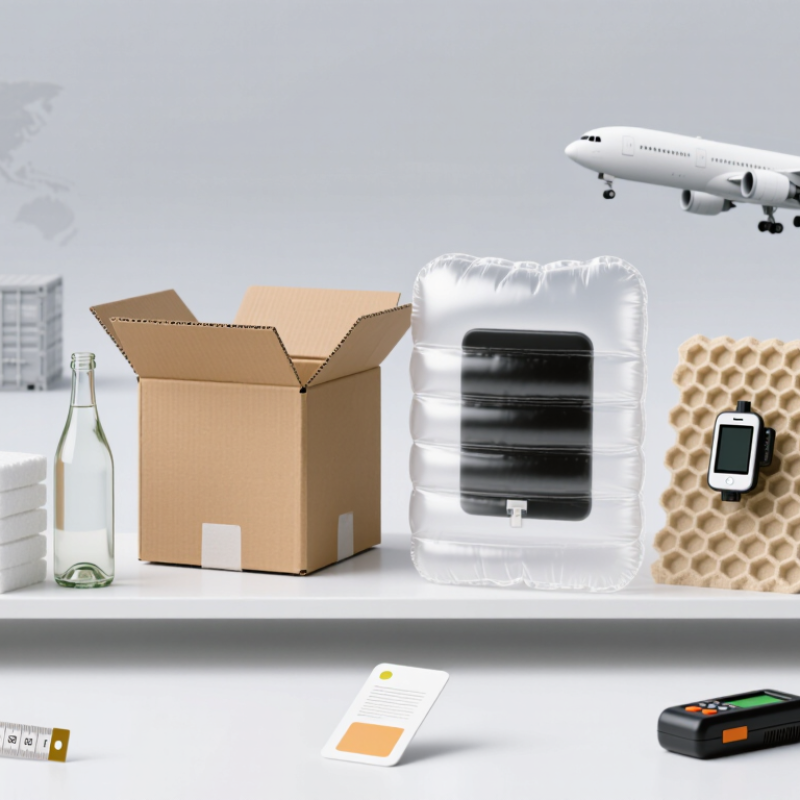
This guide explores the best types of protective packaging for electronics, glassware, machinery, cosmetics, and other sensitive goods. It compares molded pulp, foam, corrugated structures, inflatable cushioning, honeycomb board, and reusable systems. Each option has practical strengths and limitations. No material is perfect.

Our recommendations reflect packaging engineering principles, supplier experience, and common distribution testing practices. Drop tests, vibration testing, compression checks, and moisture evaluation can reveal weaknesses before large shipments leave the factory. Small details matter. A two-centimeter clearance can prevent a product from touching the outer wall. A poorly sealed edge can invite moisture during ocean transport.

Sustainability also requires careful judgment. Recyclable content does not automatically mean lower impact when damage rates increase. Reuse may work well for closed-loop deliveries, but it can become inefficient across long international routes. Buyers should review product fragility, packaging dimensions, storage conditions, destination requirements, and total lifecycle cost.

Some recommendations remain conditional. Supplier quality varies. Testing can miss unusual handling. Real shipment data should challenge assumptions, not merely confirm them. Use this overview as a practical starting point, then validate the chosen protective packaging with samples, documented tests, and feedback from logistics teams.
2026 Best Types of Protective Packaging for Global Buyers

Protective Packaging: Purpose, Functions, and Key Performance Criteria

2026 Best Types of Protective Packaging for Global Buyers

Protective Packaging: Purpose, Functions, and Key Performance Criteria

Protective packaging shields products from shock, vibration, compression, moisture, dust, and temperature changes. Its purpose is practical: reduce damage while preserving product condition during storage and international transport. A suitable design absorbs impact, limits movement, and keeps pressure away from fragile surfaces. It should also open cleanly, stack safely, and support efficient warehouse handling.

Performance must be measured, not guessed. ASTM D4169 testing can simulate distribution hazards, including drops, vibration, and compression. The International Safe Transit Association also uses laboratory protocols to evaluate packaged products under realistic shipping conditions. According to OECD’s Global Plastics Outlook (2022), packaging creates about 40% of global plastic waste. This makes material efficiency a serious design criterion, not a marketing detail. The packaging should use only the cushioning and barrier protection the product needs.

Smithers’ market analysis, The Future of Protective Packaging to 2028, identifies e-commerce, global shipping, and damage reduction as major demand drivers. In practice, a ceramic component may need molded cushioning, edge protection, and moisture control. A heavy machine part needs restraint and compression strength instead. Recycled content can help, but it may reduce consistency or moisture resistance. That trade-off deserves testing. Some designs still look sustainable while using excessive material. Perhaps the weakest point is often overlooked: poor fit creates internal movement, even when the outer carton appears strong.

Major Types of Protective Packaging and Their Typical Applications

2026 Best Types of Protective Packaging for Global Buyers

Protective packaging matches the product’s weak points, shipping route, and handling risks. Corrugated cartons suit furniture, appliances, and boxed consumer goods. They absorb stacking pressure and allow efficient pallet loading. The 2023 Pitney Bowes Parcel Shipping Index recorded 161.8 billion parcels worldwide in 2022. That volume makes carton performance more than a design detail.

Foam inserts protect fragile electronics, medical instruments, and precision components from shock and vibration. Molded pulp works well for bottles, cosmetics, and small appliances, especially when buyers want fiber-based cushioning.

Air pillows and bubble cushioning fit lightweight goods with irregular gaps, but they can lose protection after compression. Edge protectors and corner guards support glass panels, furniture, and palletized metal products. Stretch film mainly stabilizes loads; it does not replace internal cushioning.

Smithers’ The Future of Protective Packaging to 2028 forecasts continued global growth, driven partly by e-commerce and higher damage-control expectations. Yet market reports often group different materials together, so comparisons need caution. A low package weight may look efficient, but poor drop performance creates returns, delays, and replacement emissions. ISTA testing, including drop, vibration, and compression trials, gives buyers stronger evidence than supplier claims alone. In practice, the best format is not always the thinnest one. It is the format that survives the actual route.

How to Match Packaging Materials With Product Protection Needs

Protective packaging should match the product’s weakest point, not merely its selling price. A ceramic component needs rigid cushioning and compression resistance. A liquid container needs leak control, absorbent layers, and stable outer walls. For lightweight electronics, molded pulp or foam can limit shock, while antistatic film protects sensitive circuits. ISTA testing guidance recommends simulating drops, vibration, compression, and atmospheric changes before shipment. Laboratory results matter more than attractive samples.

Material selection also affects environmental performance. The World Bank’s What a Waste 2.0 report estimates global waste could reach 3.4 billion tonnes annually by 2050. UNEP’s Global Waste Management Outlook 2024 projects municipal waste rising from 2.3 billion tonnes in 2023 to 3.8 billion tonnes by 2050. These figures make unnecessary packaging difficult to defend. Paper-based cushioning suits dry, durable goods and easier recycling systems. Reusable plastic totes may work better for repeated industrial transport, despite higher initial impact.

Real shipments are less tidy. Moisture weakens paper, and oversized boxes increase movement. I have seen a low-cost insert fail because the product touched the carton wall after vibration. That mistake was preventable. Buyers should compare protection, pack density, local disposal systems, and total transport damage. A smaller package is not always safer. Sometimes, it is simply too optimistic.

2026 Best Types of Protective Packaging for Global Buyers - How to Match Packaging Materials With Product Protection Needs

Protective Packaging Type Primary Protection Best Product Applications Typical Shock & Vibration Performance Moisture & Temperature Suitability Space & Weight Efficiency Sustainability Profile Relative Cost Best Matching Conditions Important Limitations
Corrugated Fiberboard Inserts Edge protection, separation, stacking support and light cushioning Cartons containing appliances, bottles, books, packaged food and general consumer goods Low to moderate cushioning; strong structural support when correctly engineered Suitable for dry conditions; performance decreases with prolonged humidity or direct water exposure Lightweight and space-efficient; can be flat-packed Widely recyclable where clean paper recycling is available; commonly made with recycled fiber Low Products needing organization, abrasion prevention and carton reinforcement rather than heavy shock absorption Not ideal as the only cushioning for fragile products or severe drop hazards
Molded Pulp Cushioning, product positioning and vibration reduction Egg-shaped products, electronics, cosmetics, food containers and household items Low to moderate cushioning; suitable for designed-fit packaging and moderate handling impacts Performs best in dry environments; can absorb moisture unless treated or protected by an outer carton Lightweight; nesting can reduce storage volume Usually recyclable with paper-based streams and often compostable under suitable local conditions Low to medium Brands seeking a fiber-based alternative to plastic trays and a close product fit Limited moisture resistance and less suitable for very heavy products without structural reinforcement
Expanded Polyethylene Foam (EPE) Shock absorption, surface protection and vibration isolation Furniture components, glassware, electronics, tools, automotive parts and precision goods Moderate to high cushioning when thickness and density are matched to product weight Closed-cell structure provides good resistance to water and humidity; generally suitable across normal transport temperatures Very lightweight; can be die-cut or laminated, but occupies more volume than paper sheets Durable and reusable; recycling availability varies and collection may be limited Medium Fragile or scratch-sensitive products exposed to repeated handling and vibration Not biodegradable; incorrect density selection can cause bottoming out or insufficient protection
Expanded Polystyrene (EPS) High-impact cushioning, thermal insulation and product immobilization Large appliances, medical shipments, laboratory products, seafood and temperature-sensitive goods Moderate to high cushioning with good energy absorption at low weight Resists water absorption better than open-cell foams; provides useful thermal insulation but is not a complete cold-chain system Very lightweight with good strength-to-weight performance; molded shapes can be bulky Technically recyclable in some markets, but collection infrastructure is inconsistent Low to medium Products requiring strong impact protection or supplementary thermal resistance Can crack under concentrated loads; often restricted by local recycling or disposal policies
Air Pillows & Air Cushion Film Void filling, light cushioning and movement reduction Lightweight e-commerce items, cosmetics, small household products and non-fragile accessories Low to moderate cushioning; effective mainly for light products and short handling cycles Unaffected by normal humidity, but punctures or temperature-related pressure changes can reduce performance Excellent; film is lightweight and stored compactly before inflation Recyclability depends on film type and local soft-plastic collection; must be deflated before recycling Low Reducing shipping weight and filling large voids around lightweight products Poor choice for sharp-edged, heavy or highly fragile products unless combined with stronger cushioning
Paper Void Fill & Crinkle Paper Void filling, movement restriction and light surface cushioning Books, apparel, packaged goods, small household products and moderately durable items Low cushioning; effectiveness depends on fill density and correct packing technique Suitable for dry shipments; loses strength when wet or exposed to high humidity Lightweight but less compact in the packed carton than air-based materials Typically recyclable and made from paper; generally easier to recover than mixed-material packaging Low Plastic-reduction programs and shipments where preventing product movement is the main requirement Requires more material volume for heavy shock protection and may settle during transport
Honeycomb Paperboard Edge protection, panel reinforcement, separation and moderate cushioning Flat-pack furniture, framed products, glass panels, ceramics and large flat surfaces Moderate cushioning and strong compression resistance when used as panels or blocks Best in dry conditions; moisture can weaken the paper structure Lightweight and efficient for large surfaces; may require more storage space than flat sheets Paper-based and generally recyclable when free from incompatible coatings or attachments Medium Replacing plastic corner blocks or reinforcing large, flat and impact-sensitive products Less suitable for prolonged wet exposure or highly irregular products without custom converting
Molded Plastic Trays Precision positioning, stacking, abrasion prevention and repeat-use protection Automotive components, electronics, medical devices and high-volume industrial parts Low to moderate cushioning unless combined with foam or flexible features; excellent product immobilization Usually good resistance to moisture and common transport conditions; material-specific temperature limits apply Reusable and stackable; return logistics may add empty-trip volume Can be reusable for many cycles and recyclable in suitable plastic streams; material identification is important Medium to high Closed-loop supply chains with stable product dimensions and frequent return cycles Higher tooling cost and less economical for short production runs or frequently changing product designs
Desiccant Packs with Barrier Bags Humidity and corrosion control rather than impact cushioning Metal parts, electronics, instruments, optical components and long-duration ocean shipments No meaningful shock protection; must be paired with a cushioning system Designed for moisture-sensitive cargo; barrier performance depends on seal quality and correct desiccant quantity Adds little weight or volume compared with the value of the protected product Disposal and recycling vary by bag, desiccant chemistry and local regulations Low to medium Global sea freight, high-humidity routes and products vulnerable to oxidation or condensation Cannot replace cushioning, impact protection or temperature-controlled packaging
Selection note: Match the packaging system to product mass, fragility, center of gravity, drop height, vibration exposure, stacking load, humidity, temperature and transport duration. Performance should be verified through package testing appropriate to the distribution route.

Global Standards, Sustainability, and Shipping Requirements

2026 Best Types of Protective Packaging for Global Buyers

Global shipping rewards packaging that survives vibration, compression, drops, and changing climates. Protective packaging must match the product, route, and handling environment. Corrugated cartons suit many goods, while molded pulp, foam, and honeycomb board provide different cushioning levels. Small details matter. A weak corner can fail during container loading.

Global buyers should request evidence from recognized testing methods, such as ISTA or ASTM distribution tests. These tests can simulate drops, stacking, vibration, and temperature changes. Packaging suppliers should provide test reports, material specifications, and clear inspection procedures.

Moisture changes everything. Desiccants, barrier films, and sealed liners may protect sensitive products during ocean transport. However, excessive layers can increase waste and disposal costs.

Sustainability requires more than recycled content. Buyers should examine recyclability, material separation, reuse potential, and total package weight. A recycled claim can mislead when coatings prevent normal recycling.

I have seen lightweight designs fail because cushioning was reduced too aggressively. The damage cost exceeded the material savings.

Shipping requirements also vary by destination, carrier, product sensitivity, and storage duration. Packages may need readable handling marks, accurate dimensions, and stable pallet patterns. Measure twice. A practical specification should balance protection, compliance, carbon impact, and real handling data. Perfect packaging is unlikely; documented testing and honest review are more reliable.

How Global Buyers Evaluate Suppliers and Select the Right Solution

Global buyers now evaluate protective packaging as a performance system, not merely a box. The OECD Global Plastics Outlook reports that packaging represents about 40% of global plastic use. Only 9% of plastic waste was recycled in 2019. This data makes material efficiency a procurement issue, not a marketing detail. Buyers compare cushioning, compression strength, moisture resistance, recyclability, and total shipment weight.

Supplier evidence matters more than attractive samples. Request test records using recognized protocols, such as ISTA distribution testing, ASTM compression testing, or ISO-based quality systems. Ask for results from actual transport conditions: stacked cartons, vibration, drops, temperature changes, and warehouse handling. A supplier should explain how foam density, molded pulp structure, or corrugated grades protect a specific product. Small details matter. A loose corner can become costly damage.

Buyers also examine consistency across production batches. Request quality-control plans, inspection frequency, material traceability, and corrective-action records. The World Bank’s 2023 Logistics Performance Index shows that reliability and shipment predictability remain important logistics concerns worldwide. Packaging must perform when routes change. It should not depend on perfect handling. I have found that the cheapest design often creates hidden labor, returns, and disposal costs. Still, no single material wins every project. A recyclable package may need more space, while a lightweight format may require stronger testing. Supplier comparisons should include landed cost, damage risk, carbon data, and practical factory experience.

2026 Best Types of Protective Packaging for Global Buyers

Global buyers typically compare protective packaging by product safety, shipping efficiency, sustainability, customization, compliance, and total cost. The weighted scores below represent a practical 100-point procurement evaluation model for international shipments, not data from any specific company or brand.

Scroll to Top