What Are the Best Packaging and Supplies for 2026?

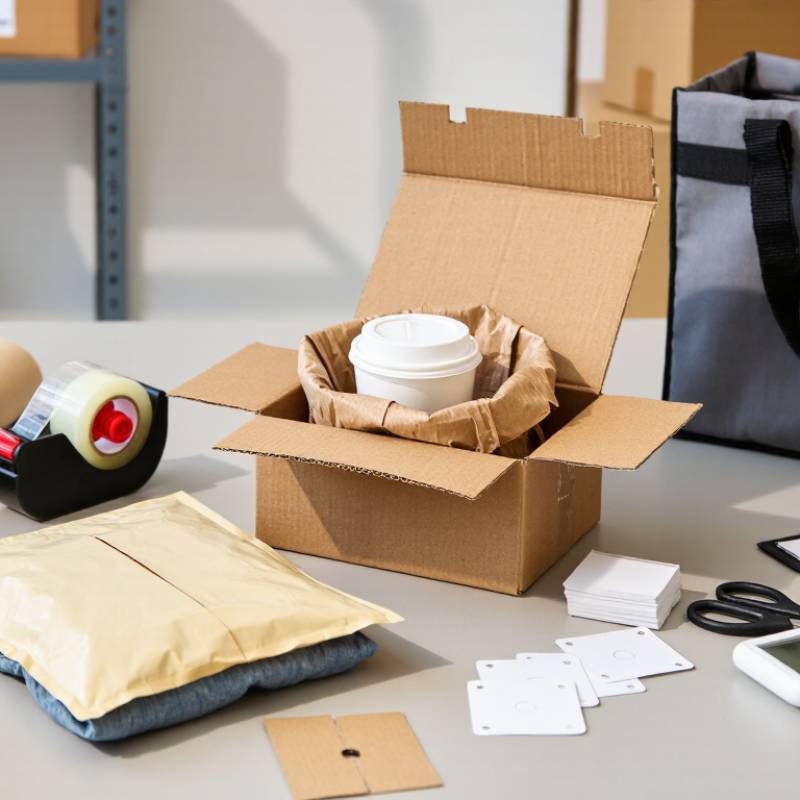
In 2026, choosing packaging and supplies means balancing product protection, shipping cost, customer experience, and material use. The right choice depends on the product, the route, and how customers handle the package. A small ceramic item may need a snug corrugated box, paper cushioning, and a clear fragile label. Clothing might ship safely in a lightweight mailer. One size does not fit all.

Tom Szaky, founder of TerraCycle, has summed up a useful design challenge: “The most sustainable packaging is no packaging.” That idea is a starting point, not a rule for every shipment. Products still need protection, and damaged goods create waste too. Look closely at box dimensions, void fill, tape, labels, mailers, reusable totes, and packing tools. Test a package with real products, not just an attractive sample. Measure damage, material use, packing time, and customer feedback. Small changes matter.

This guide explores options for businesses planning their 2026 packaging choices. It considers durability, practical handling, storage space, and end-of-life disposal. It also asks whether a premium finish adds value or simply adds material. Some trade-offs remain inconvenient. A recyclable option may not be accepted in every local collection system, and reusable packaging needs a workable return process. The best decision is therefore specific, tested, and reviewed over time—not chosen from a trend list alone.
What Are the Best Packaging and Supplies for 2026?

What Packaging and Shipping Supplies Include in 2026

Packaging and shipping supplies include more than cartons. A practical kit covers corrugated boxes, paper mailers, cushioning, void fill, tape, shipping labels, and pallet stretch wrap. For fragile goods, choose a box that leaves room for a snug layer of cushioning, not a cavern of loose filler. Keep several box sizes on hand. Oversized boxes waste material and can let products shift; overly tight boxes offer little protection. A clear label and strong tape matter, too. Small details.

The U.S. Census Bureau reported that U.S. retail e-commerce sales reached $1.1926 trillion in 2024, up 8.1% from 2023. That volume makes reliable packing supplies operational essentials, not afterthoughts.

The U.S. Environmental Protection Agency’s 2018 waste report found that containers and packaging made up 28.1% of municipal solid waste generation. This is a useful reminder to right-size parcels and consider recyclable paper cushioning where suitable. The right choice still depends on the product, route, and handling conditions. I sometimes think a thicker box solves everything; it does not. A poor fit can still leave a product rattling inside. Check how each package performs in transit, then adjust the materials.

Which Factors Determine the Best Packaging for Each Product

The best packaging depends on what a product needs to withstand. A ceramic mug needs firm support, with cushioning around its handle and enough space to prevent contact with the box. A soft garment has different needs; a clean, moisture-resistant mailer may work without bulky padding. Small details matter. Product weight, shape, surface finish, and sensitivity to heat or moisture all affect material choice.

Shipping conditions matter too. A package may face stacking, vibration, rain, and repeated handling before delivery. A snug inner fit and a sturdy outer container can reduce movement, but more material is not always better. Oversized boxes add shipping volume and may let items shift. Material selection also depends on storage time and disposal options available to customers. Recycled paper can suit many dry goods, while products exposed to moisture may need another protective layer. There is no perfect specification for every shipment. Teams can test a packed sample by checking for movement, damaged corners, and scuffs, then adjust one feature at a time. Even then, real delivery conditions may reveal a flaw the test missed.

How to Compare Common Packaging Materials and Formats

Material choice starts with the product, not a sustainability label. Eurostat reported that the EU generated 83.4 million tonnes of packaging waste in 2022. Paper and cardboard made up 40.8% of that total, while plastic accounted for 19.4%. These figures describe waste volumes, not the impact of each package. Corrugated board cushions dry goods and stacks well, but can lose strength when wet. Paper mailers suit light, non-fragile items. Flexible plastic film is light and space-efficient, yet mixed layers can complicate sorting. Glass protects against moisture and preserves product quality, but its weight raises shipping demands. Fit matters.

Formats change the trade-offs. A snug box with a paper insert may prevent movement, while an oversized box adds filler and takes up more van space. OECD’s 2022 Global Plastics Outlook estimates that packaging generated about 40% of global plastic waste in 2019. That is a useful warning, not proof that every plastic package is a poor choice. Compare packed-product weight, damage rates, storage space, and local collection options. Test a sample through packing, delivery, and opening. The awkward part: a lighter package may use less material but protect the product less reliably. No comparison is perfect; real shipment results can overturn a tidy spreadsheet.

Which Supplies Support Safe, Efficient Shipping and Storage

Safe shipping starts with a close fit. Choose a carton that leaves room for cushioning but does not let the item slide around. Corrugated boxes suit many everyday shipments, while padded mailers work for small, non-fragile items. Heavy products need sturdy boxes and secure seams. A strip of tape down the center may not be enough. Reinforce the bottom, especially when the contents are dense.

Use paper cushioning, foam, or air pillows to fill empty spaces and protect corners. Fragile items should be wrapped individually, with no hard surfaces touching the box walls. Give the package a gentle shake. If you hear movement, add cushioning or choose a smaller box. It is a simple check, not a guarantee, but it catches many avoidable packing mistakes. Clear labels and moisture-resistant inner bags can also help protect goods during handling and storage.

Storage supplies matter, too. Stackable bins, shelf labels, and sturdy cartons make stock easier to locate and less likely to be crushed. Keep packages off damp floors, and avoid stacking beyond what the boxes can support. The best setup depends on product weight, shape, and storage conditions. No packing system is perfect; even careful teams sometimes use too much fill or choose awkward box sizes. Review damaged shipments and adjust supplies where needed.

What Are the Best Packaging and Supplies for 2026? - Which Supplies Support Safe, Efficient Shipping and Storage

Packaging Supply Best Suited For Protection and Performance Efficiency and Storage Benefits Key Considerations
Corrugated cardboard boxes Most parcel shipments, grouped products, and stackable warehouse storage Provides structure and cushioning potential; double-wall construction is generally more suitable for heavier or more fragile loads than single-wall construction. Available in many sizes and can be stored flat before use. Right-sizing helps reduce excess void fill and dimensional shipping volume. Choose a box with suitable strength for the packed weight and handling conditions. Keep contents from shifting and seal all openings securely.
Paper cushioning and kraft paper Filling empty space, wrapping items, and separating products inside boxes Helps limit movement and surface-to-surface contact when packed appropriately. It is not a substitute for engineered cushioning for highly fragile goods. Can be dispensed as needed and stored in rolls or sheets. Paper-based options may be recyclable where local facilities accept them. Use enough material to prevent movement without overfilling. Recycling acceptance depends on local collection rules and whether the paper is clean.
Air-cell cushioning Lightweight, fragile products that need cushioning around their surfaces Air pockets absorb some impacts and help protect against abrasion. Protection depends on the product, wrap configuration, and number of layers. Light in weight and often supplied on compact rolls, helping conserve storage space before use. Do not rely on it alone for heavy, sharp-edged, or crush-sensitive items. Reuse and recycling options vary by material and local services.
Padded mailers Small, relatively light items that can safely fit within a flexible mailer Built-in padding offers some protection from scuffs and minor impacts, but generally less crush protection than a rigid box. Lightweight and quick to pack; takes less storage space than an equivalent quantity of boxes. Check that the item is not prone to bending or crushing. Select a mailer large enough to avoid stressing seams or closures.
Pressure-sensitive packing tape Closing corrugated cartons and securing package seams Provides a closure when compatible tape is applied to clean, dry carton surfaces with adequate seam coverage. Hand dispensers or automated application can make repetitive packing faster and more consistent. Match tape type and width to carton weight, surface, and storage conditions. Tape does not compensate for an overloaded or damaged box.
Stretch film Stabilizing cartons or goods assembled on a pallet Helps unitize a load and reduce shifting during handling when applied with suitable tension and coverage. Can speed pallet preparation and help keep grouped goods together in storage and transit. Use a stable pallet and avoid excessive tension that could deform packages. Film is not a substitute for strapping when loads require it.
Strapping Securing palletized loads or bundling sturdy items for handling Helps hold loads together; corner protectors can reduce strap pressure on carton edges. Supports consistent unit loads for warehouse movement and shipment preparation. Choose strapping material and tension appropriate to the load. Apply safely and avoid using straps as lifting points unless the load design allows it.
Moisture-barrier bags or liners Goods needing protection from humidity, dust, or incidental moisture during storage or transit Can reduce exposure to moisture and contaminants when the material, closure, and package design suit the required protection level. Flexible liners can fit inside cartons or containers and help protect products during storage. Not all bags provide the same barrier performance. For moisture-sensitive products, specify the required conditions and use compatible sealing methods.
Reusable plastic totes Repeated movement of goods within a facility or established return-loop operations Rigid walls protect contents from routine handling and can be easier to clean than many disposable packages. Designed for repeated use; stackable or nestable models can support organized storage when compatible with the operation. Best suited to controlled reuse systems. Account for return logistics, cleaning, loss rates, and available storage space.
Labels and document pouches Addressing, handling instructions, tracking, and accompanying shipping documents Readable labels help identify packages and support routing; a pouch can protect documents from dirt and light moisture. Standardized placement and clear printing can reduce manual handling errors and improve scanning reliability. Place labels on a flat, visible surface and keep barcodes unobstructed. Use handling marks only when they accurately describe the package.

Selection principle: Match the package to the product’s weight, fragility, dimensions, moisture sensitivity, shipping route, and storage duration. Test packed shipments under realistic handling conditions, and check local recycling requirements before choosing materials.

How Sustainability and New Technologies Are Shaping Packaging in 2026

In 2026, better packaging means balancing material use, reliable protection, and what local recycling systems can actually process. The OECD’s Global Plastics Outlook reported that only 9% of plastic waste was recycled worldwide in 2019. That gap matters. A package labeled recyclable may still be rejected if it combines materials that sorting facilities cannot separate. For a small online order, a right-sized cardboard mailer can reduce void fill; a thin plastic window may complicate recycling. Check the whole package, not just its main material.

Technology can make those choices easier to track. Digital identifiers and improved sorting systems can help facilities recognize packaging and separate materials more accurately. Yet they cannot fix poor design or missing collection services. Pew and SYSTEMIQ’s Breaking the Plastic Wave estimated that, without major changes, annual plastic entering the ocean could rise from 11 million tonnes in 2016 to 29 million tonnes by 2040. The report points to prevention and reuse alongside recycling. Reusable transit packaging, lighter formats, and verified recycled content deserve consideration where delivery routes and recovery systems support them. Not everywhere. I would also question compostable packaging when customers lack access to suitable collection; the label alone proves little. Better data helps, but packaging teams still need to test real parcels, returns, and disposal outcomes.

What Are the Best Packaging and Supplies for 2026?

How sustainability and new technologies are shaping packaging in 2026

What the data suggests: Paper and cardboard packaging had the highest recycling rate in the EU, while plastic packaging had the lowest among the materials shown. For 2026, recyclable material choices and packaging designed for easier sorting are practical sustainability priorities. These figures are historical EU data, not 2026 forecasts.

Source: Eurostat, “Packaging waste statistics,” 2022. Recycling rates are percentages of packaging waste generated.

Scroll to Top