Essential Tips for Choosing the Right Paper Board for Your Needs?
Choosing the right paper board is crucial for various applications in industries such as packaging, printing, and construction. According to a report by Smithers Pira, the global paper board market is projected to reach $150 billion by 2026. This growth emphasizes the increasing importance of selecting suitable materials for specific needs.
Understanding the different types of paper board, such as solid bleached board and recycled board, is essential. Each type has unique properties that affect durability and print quality. For instance, solid bleached board offers excellent printability but may not be suitable for moisture-sensitive products. Keeping industry standards in mind can help avoid costly mistakes.
When selecting paper board, consider factors like thickness, weight, and environmental impact. Many companies prioritize sustainability, with 65% of consumers willing to pay more for eco-friendly packaging, as noted in a survey by EcoFocus Worldwide. However, balancing sustainability with functionality is often challenging. It requires careful evaluation of both performance and environmental credentials. This decision-making process is pivotal for achieving long-term success in any project involving paper board.
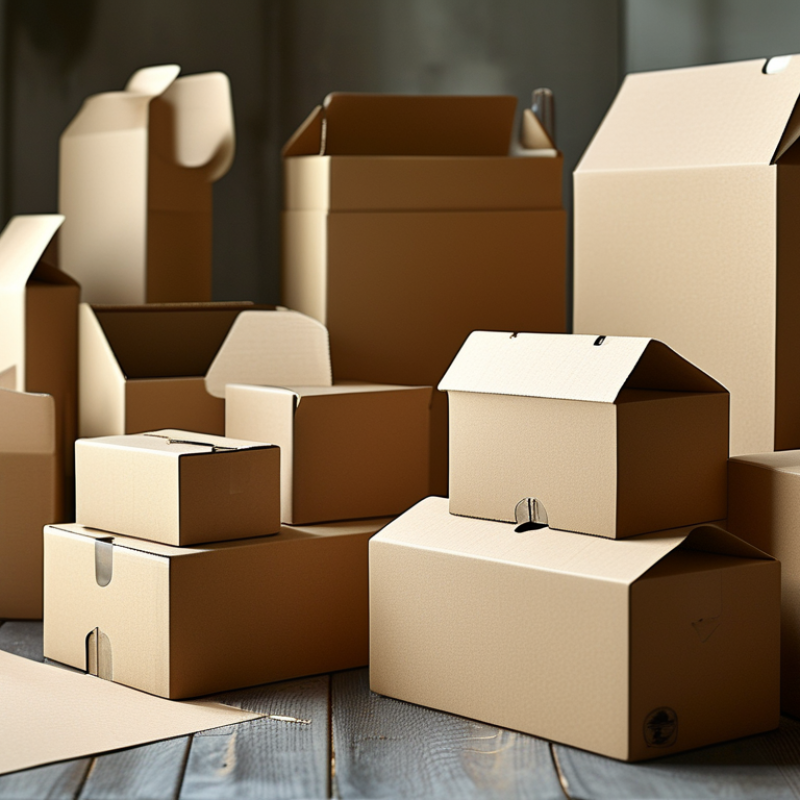
Understanding the Different Types of Paper Boards Available in the Market
When selecting the right paper board, understanding the different types available is crucial. Paper boards come in various forms, each serving specific purposes. For instance, chipboard is known for its sturdiness. It works well for packaging and crafts. On the other hand, poster board is vibrant and glossy, making it suitable for presentations. These distinctions influence your choice significantly.
You might also encounter duplex and triplex boards. Duplex is thicker and stronger than typical paper, perfect for sturdy packaging. Triplex adds another layer, which enhances durability and print quality. However, choosing the right one can sometimes feel overwhelming. Not all boards are created equal. Their weight, texture, and finish play essential roles in their functionality.
Many struggle with the decision process. The wrong choice may lead to unexpected issues in projects. It's important to consider the end use. For example, if you need something lightweight for posters, paper board might be too thick. Reflecting on your needs helps streamline your options.
Evaluating the Purpose: What Will You Use the Paper Board For?
When choosing the right paper board, evaluating its purpose is crucial.
Consider the specific project you'll undertake. Will you use it for craft projects,
presentations, or packaging? Each use demands different features.
For crafts, you may need sturdy, colorful boards. For presentations, a smoother finish enhances print quality.
Packaging often requires durability and resistance to bending.
Understanding your needs helps narrow options. Think about the weight of the board. Heavier boards offer more strength, while lighter ones are easier to manipulate.
Another factor is texture. A smooth surface works well for printing, while a textured board can add depth to artistic projects.
It’s often a balancing act between aesthetics and functionality.
Sometimes, the right choice isn't clear. You might face a decision between various types of paper boards.
It may take trial and error to find what truly works for you.
Experimenting with samples can reveal unexpected preferences. Don’t hesitate to revisit your initial thoughts.
Adjusting your approach may lead to improved results.
Being open to change can enhance your experience and final product.
Assessing Thickness and Weight: Key Factors in Choosing Paper Board
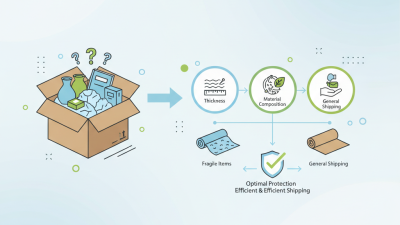
Choosing the right paper board involves several critical factors, especially thickness and weight. These two elements significantly affect how the board performs under various conditions. For example, thicker boards provide better durability and sturdiness. They can withstand more pressure, making them ideal for projects that require stability.
Conversely, weight is another essential consideration. Lighter boards are often more manageable for crafting. They are easier to cut, fold, or glue. However, lighter boards may not hold up as well under heavy use. Understanding the balance between thickness and weight can lead to better outcomes in your projects.
It’s also vital to think about the end use. Certain projects demand specific attributes. A board intended for holding artwork might require more thickness to avoid bending. On the other hand, a lightweight board may suffice for temporary displays. Reflect on how your choices impact the final product. Choosing the right paper board can be complex, but the appropriate thickness and weight can elevate your work.
Environmental Considerations: Sustainable Options for Paper Board
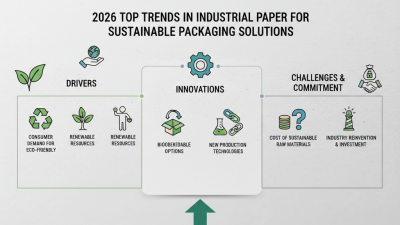
When choosing paper board, environmental considerations are crucial. Sustainability is no longer a trend; it's a necessity for many industries. According to a report by Smithers Pira, the demand for sustainable paper is projected to reach over 500 million tons by 2025. This increasing demand highlights the need for eco-friendly options.
Recycled paper board is a great choice. It reduces waste and conserves resources. For instance, using recycled materials saves 60% energy and 70% water compared to virgin pulp, according to the EPA. However, not all recycled boards are created equal. It’s essential to assess their composition and sourcing. Labels such as FSC (Forest Stewardship Council) and PEFC (Programme for the Endorsement of Forest Certification) can assure you of sustainable sourcing.
Moreover, renewable materials like bamboo or sugarcane fibers are emerging as viable alternatives. These materials can reduce reliance on traditional wood pulp and encourage responsible harvesting. However, challenges remain. The availability and processing of these materials need improvement. Thus, companies must balance innovation and resource management. Many are still figuring out how to integrate sustainable practices effectively, which raises questions about long-term impact versus immediate production needs.
Environmental Considerations: Sustainable Options for Paper Board
Cost vs. Quality: Finding the Right Balance for Your Paper Board Needs
When selecting the right paper board, it's crucial to balance cost and quality. A recent industry report indicated that 30% of businesses prioritize cost over quality, which can lead to compromises in functionality and durability. Investing in higher quality paper board can save money in the long run. For instance, high-quality boards maintain structural integrity better, reducing the risk of damage during transportation.
When choosing paper board, consider thickness and weight. Thicker boards offer better durability but can increase costs. Understand your specific needs. If the project requires resilience, opt for sturdier options. Alternatively, lighter boards may serve budget-conscious projects.
Remember these tips: always review suppliers' specifications. Seek samples before making a bulk purchase. Don't hesitate to compare different materials. Evaluate their performance side-by-side. This process can illuminate unexpected advantages or drawbacks, ensuring the best fit for your needs. Quality should never be fully sacrificed for lower costs. Finding an optimal balance is vital.