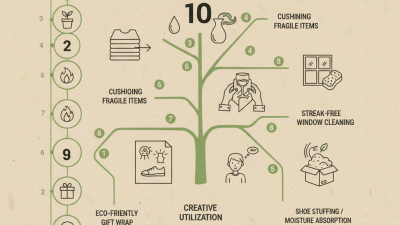
Top 10 Uses of Packing Paper You Never Knew About?
Packing paper is often associated with moving and shipping items. However, its functionalities extend far beyond these common uses. Many people overlook the versatility of packing paper in everyday life. This humble material has potential applications that can surprise even the most experienced organizers.
Many use packing paper simply for wrapping fragile items. Yet, it can do much more than that. From art projects to home decor, packing paper proves to be a reliable resource. For instance, did you know it can be used for creating unique wall art? Its texture and color add an interesting element to any design. Additionally, packing paper serves as an eco-friendly alternative for gift wrapping. This simple switch promotes sustainability while maintaining aesthetic value.
Despite these myriad uses, some still cling to traditional methods. They might not realize how innovative packing paper can be in various settings. Exploring its hidden potentials can lead to creative solutions. As you read on, you may find inspiration for using packing paper in ways you never imagined. Embrace its versatility, and let it enhance your day-to-day life.
The Versatile Benefits of Packing Paper in Various Industries
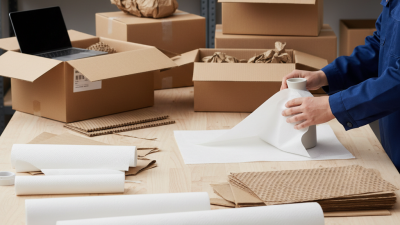
Packing paper is often overlooked in many industries. However, its versatility can benefit various sectors significantly. In shipping, packing paper cushions fragile items. It prevents breakage during transit. Retailers use it for wrapping gifts. This adds a personal touch to customer purchases.
In the food industry, packing paper is used for wrapping sandwiches and takeout. It helps maintain freshness without plastic waste. The eco-friendly nature of packing paper is appealing. It’s biodegradable and reduces environmental impact.
**Tip**: Always choose unprinted, recycled packing paper to enhance sustainability.
Another interesting use is in art and crafts. Artists often use packing paper for sketching or creating texture in paintings. It’s an affordable option that sparks creativity. In construction, packing paper protects surfaces during renovation. Yet, it can leave residue on some finishes.
**Tip**: Test packing paper on a small area before widespread use to avoid potential issues.
Top 10 Uses of Packing Paper in Various Industries
Innovative Eco-Friendly Uses of Packing Paper in Sustainable Practices
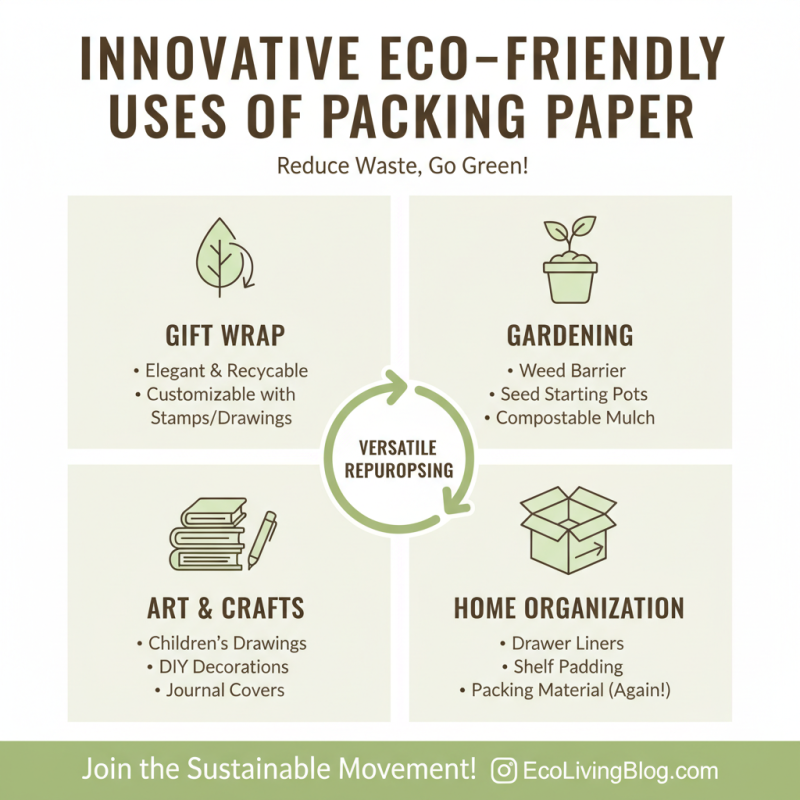
Packing paper is often seen as just a tool for shipping. However, its eco-friendly potential is remarkable. Many people overlook its versatile uses in sustainable practices. By repurposing packing paper, we can reduce waste and promote a greener lifestyle.
One innovative way to use packing paper is in crafts. Children can create art projects or decorations with it. This simple activity encourages creativity while utilizing waste. Another idea is to use packing paper as gift wrap. It can be decorated with stamps or drawings, making each gift unique and personal. This method reduces reliance on single-use plastic wrap.
Moreover, packing paper can serve practical purposes. It can be used to stuff shoes or protect fragile items. Instead of throwing it away, think about these functional uses. The flexibility of packing paper means it adapts to various needs. It can also be shredded for composting, enriching soil naturally. These practices require reflection on our consumption habits and the impact of waste. Embracing packing paper as an eco-friendly resource challenges us to rethink our approach to sustainability.
Cost Savings Through Efficient Packing Techniques Utilizing Packing Paper
Packing paper is often overlooked, yet it plays a crucial role in efficient packing techniques. Many businesses fail to realize the cost savings it can provide. Research indicates that companies using packing paper can reduce damages during shipping by up to 30%. This not only protects products but also minimizes returns and replacements.
A report from the Packaging Association highlights that over 60% of logistics costs stem from packing materials. By switching to packing paper, organizations can spend significantly less while ensuring safety. Utilizing packing paper prevents wastage of materials often associated with plastics or foam. Additionally, it’s recyclable, which aligns with sustainability goals. Packing paper may require a rethink of traditional packing methods.
More businesses are exploring innovative uses for packing paper. It serves not only as padding but also as a simple way to wrap items. However, some may overlook its potential for organization. Using packing paper effectively can streamline operations and lower costs. While many embrace it for basic packing, there is room for improvement. Adopting new packing strategies with paper can lead to better resource management and ultimately reduce environmental impact.
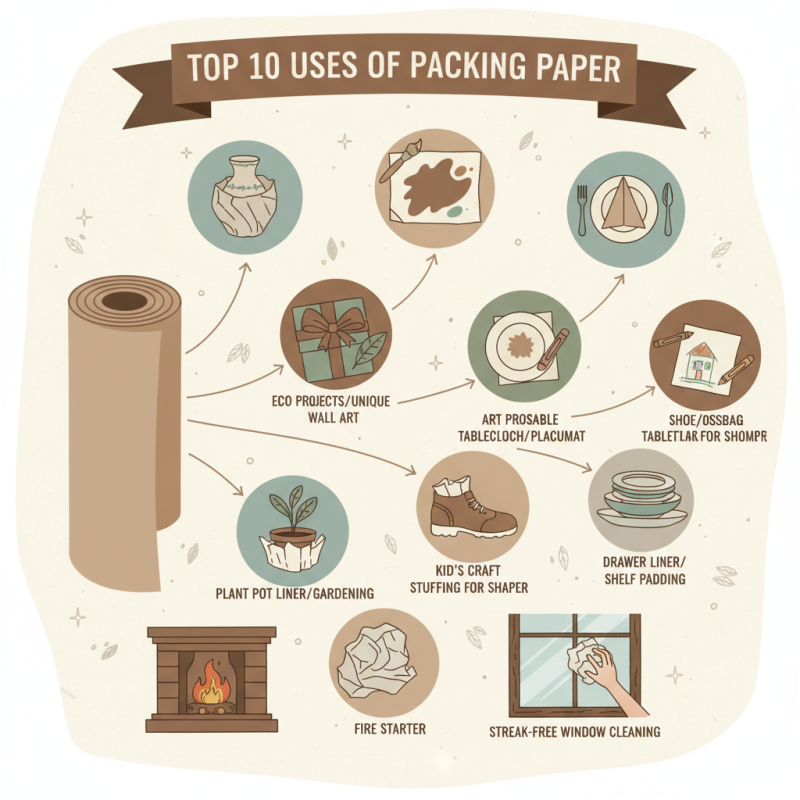
Top 10 Uses of Packing Paper You Never Knew About
| Use |
Description |
Cost Savings |
| Gift Wrapping |
A creative alternative for wrapping gifts. |
Less expensive than traditional wrapping paper. |
| Packing Fragiles |
Provides cushioning for delicate items. |
Reduces breakage costs during shipping. |
| Arts and Crafts |
Can be used for various DIY projects and art. |
Saves on craft supply expenses. |
| Insulation |
Helps in insulating items during storage. |
Lowers heating/cooling costs. |
| Surface Protection |
Can protect surfaces from scratches while moving. |
Reduces costs of repair or replacement. |
| Packing Painting Supplies |
Keeps brushes and rollers organized and clean. |
Saves on replacement costs of supplies. |
| Moisture Absorption |
Can help absorb moisture in storage boxes. |
Prevents mold, reducing potential restoration costs. |
| Seedling Pots |
Can be formed into biodegradable pots for plants. |
Cuts costs on gardening supplies. |
| Pet Bedding |
Provides a soft bedding option for pets. |
Less expensive than store-bought bedding. |
| Moving Supplies |
Essential for safely moving household items. |
Saves on moving costs by reducing damage. |
Creative DIY Projects: Transforming Packing Paper into Useful Items
Packing paper is often overlooked, but it holds great potential for creative DIY projects. According to industry reports, the global DIY market is projected to reach $70 billion by 2024, indicating a growing interest in crafting and reusing materials. Packing paper can be turned into beautiful gift wrap, adding a personal touch to any present. Using stamps or paints can elevate its appearance, making it a charming alternative to store-bought options.
Beyond gift wrapping, packing paper can be used for home décor. It can be transformed into unique wall art by crumpling, layering, or even creating paper mâché items. This approach is both cost-effective and eco-friendly, as it promotes recycling and reduces waste. However, many may underestimate the durability of packing paper, often leading to unsatisfactory results. Experimentation is key to mastering various techniques.
Another innovative use is in organization. Packing paper can be folded into boxes for storage, or rolled into pockets for supplies. Studies indicate that a more organized space can improve productivity by up to 20%. This statistic highlights the importance of utilizing everyday materials creatively. Some may find their initial designs lacking, but these moments of imperfection can lead to unique, one-of-a-kind pieces. Exploring these options can enhance your living space while contributing to a sustainable lifestyle.
Enhancing Shipping Efficiency: The Role of Packing Paper in Logistics
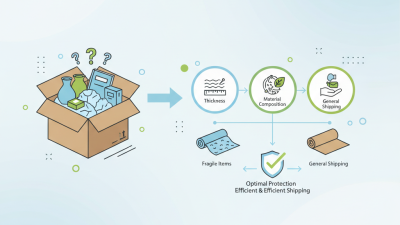
Packing paper plays a crucial role in enhancing shipping efficiency. It provides a reliable way to cushion and protect items during transit. This type of paper is lightweight yet sturdy, making it ideal for packaging. When there are fragile items, using packing paper can prevent unnecessary damage.
In logistics, time and cost are essential. Well-packaged products mean fewer returns and exchanges. Packing paper can minimize shipping costs by reducing package weight. It’s also versatile; it can be crumpled, folded, or layered according to the item’s needs.
Some companies overlook the sustainability aspect of packing materials. Packing paper is recyclable, yet not every business promotes this. Choosing eco-friendly alternatives is a step towards reducing waste. This can set a positive example for others in the industry. The key lies in using materials that align with efficient practices. It requires constant evaluation and improvement to ensure shipping processes remain effective.