The Best Paper Board Suppliers in China for Global Buyers?
In the competitive world of packaging materials, paper board stands out for its versatility. Global buyers seek reliable suppliers who deliver quality products. In China, a hub of manufacturing, there are numerous paper board suppliers. These companies vary in expertise and experience. Some are well-established, garnering a reputation for excellence. Others are newer entrants, striving to make their mark.
Navigating this landscape requires an understanding of specific needs. Buyers must consider factors like quality, price, and delivery times. Personal recommendations can offer insights into trusted suppliers. Quality should not be compromised for cost. Investing in good paper board can enhance product branding.
However, challenges exist. Not all suppliers maintain consistent standards. Some may prioritize profit over quality, leading to potential pitfalls. Buyers must conduct thorough research and engage in direct communication. Regularly visiting suppliers can foster stronger relationships. Clearly defined expectations are essential for success in sourcing paper board from China.

The Importance of Paper Board in Global Manufacturing Industries
Paper board plays a critical role in global manufacturing. This material is essential for packaging, construction, and consumer goods. According to a report by Smithers Pira, the global paper and board market is expected to reach over $500 billion by 2025. The shift towards sustainable materials is pushing industries to prioritize eco-friendly options.
With increasing demand, sourcing from reliable suppliers is vital. Global buyers must evaluate quality and sustainability. A robust supply chain can improve efficiency and reduce costs. Reports indicate that effective supply relationships can enhance customer satisfaction by 30%. Striving for quality should not overshadow the importance of supporting sustainable practices.
Tips for buyers: Research suppliers' environmental certifications. Demand transparency in sourcing practices. Always check for quality assurance processes. Reflect on the balance between cost and sustainability. Costs may rise, but sustainable practices can foster long-term benefits. Investing in quality paper board can ultimately lead to reduced waste and increased efficiency. Your choices matter. It's essential to be informed and responsible.
The Best Paper Board Suppliers in China for Global Buyers
This chart illustrates the importance of various factors that global buyers consider when selecting paper board suppliers in China. It highlights the top five factors: Quality, Price, Sustainability, Innovation, and Supply Chain Efficiency, assigning each a rating based on buyer preferences.
Key Metrics for Evaluating Top Paper Board Suppliers in China
When evaluating paper board suppliers in China, several key metrics emerge as essential. Industry reports indicate that
quality control is paramount. According to the China National Paper Association, nearly
40% of suppliers fail to meet international quality standards. This statistic raises concerns and highlights the need for
rigorous evaluation practices.
Another critical metric is production capacity. Suppliers with significant output can often ensure timely delivery and larger orders.
The China Paper Industry Development Report indicates that top-tier suppliers have an average capacity of over 500 tons per day. However, capacity alone does
not guarantee reliability. Some suppliers struggle with consistent quality, leading to damaged goods and dissatisfied customers.
Sustainability practices cannot be overlooked. Reports show that around 70% of global buyers now prioritize eco-friendly sourcing.
Suppliers that utilize recycled materials and sustainable production methods are gaining favor. Yet, a gap exists; some suppliers may claim sustainable
practices without certification. Therefore, verifying claims is essential for maintaining a responsible supply chain.
Leading Paper Board Suppliers in China: Market Share and Capabilities
When looking to source paper board in China, global buyers should focus on understanding market shares and capabilities among suppliers. The Chinese paper board market is vast and diverse. Many suppliers offer various types and qualities of paper board products. Their capabilities can vary significantly, depending on production capacity, technological advancements, and product range.
Tips for selecting a reliable supplier include checking their certifications. Valid certifications indicate adherence to quality standards. It’s also wise to request samples. This allows buyers to assess the quality firsthand before making any commitments. Communication plays a crucial role. Ensure the supplier understands your specific needs and timelines.
Another point to consider is market share. Suppliers with larger market shares often have more established processes. However, smaller companies can offer unique products and flexibility. It’s essential to weigh the benefits of reliability against the potential for customization. Reflecting on these elements can guide you toward informed decisions in China’s competitive landscape.
The Best Paper Board Suppliers in China for Global Buyers
| Supplier Rank |
Annual Production Capacity (tons) |
Market Share (%) |
Main Products |
Export Regions |
| 1 |
500,000 |
25 |
Kraft Board, White Board |
North America, Europe |
| 2 |
400,000 |
20 |
Grey Board, Chipboard |
Asia, South America |
| 3 |
350,000 |
15 |
Coated Paper Board, Folding Boxboard |
Middle East, Africa |
| 4 |
300,000 |
10 |
Backboard, Book Board |
Oceania, Japan |
| 5 |
250,000 |
5 |
Specialty Board, Eco-friendly Board |
Global |
Analyzing Quality Standards and Certifications for Chinese Paper Board
When sourcing paper board from China, understanding quality standards and certifications is crucial. Various certifications indicate the production processes and environmental commitments of suppliers. The most recognized standards include ISO, FSC, and PEFC. These certifications ensure that the paper board meets international quality and sustainability benchmarks.
Quality control varies among manufacturers. Some may possess multiple certifications, indicating their commitment to high-quality products. Others might only have basic compliance certifications. Buyers need to assess the relevance of these certifications concerning their own requirements. It’s essential to delve deeper into the manufacturing practices behind the certifications.
Additionally, the landscape of paper board suppliers is evolving. Many factories are investing in greener technologies. However, some still lag behind, prioritizing cost-cutting over quality. This disparity can lead to inconsistent product quality. Buyers should visit production sites or request comprehensive quality reports. Being diligent in this area can enhance trust and long-term partnerships in the supply chain.
Trends and Innovations Shaping the Paper Board Supply Chain in China
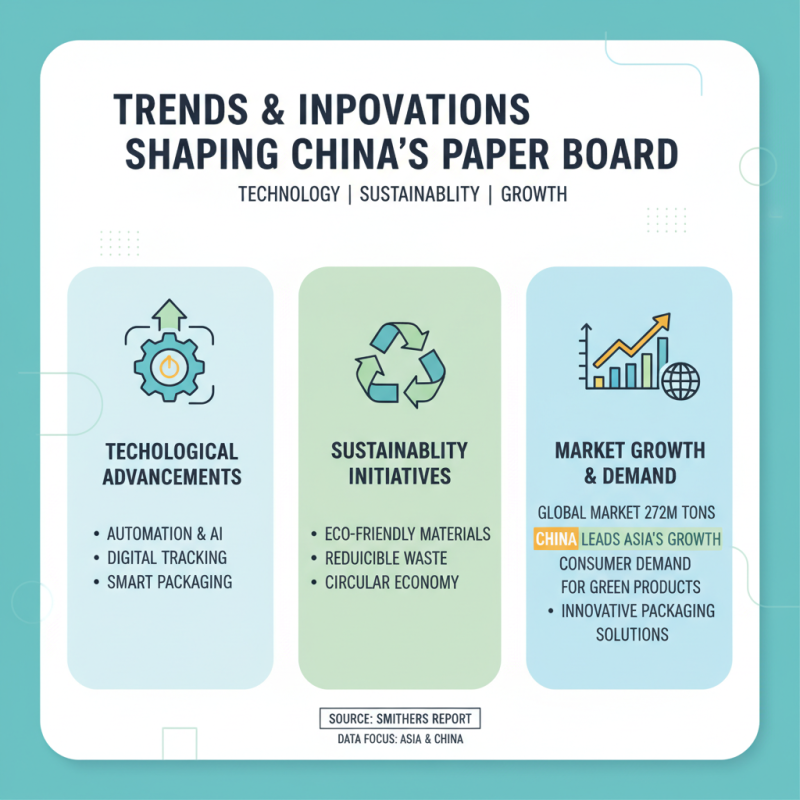
In recent years, the paper board supply chain in China has undergone significant transformations, influenced by technological advancements and sustainability initiatives. A report by Smithers reveals that the global paper board market is projected to reach 272 million tons by 2025, with Asia, particularly China, leading the growth. Chinese suppliers are now adopting innovative packaging solutions, focusing on eco-friendly materials that are less harmful to the environment. This shift aligns with the increasing demand for sustainable products among consumers.
Digitalization is reshaping the supply chain landscape. A recent industry study indicates that over 70% of large manufacturers in China have integrated digital technologies into their operations. These technologies enhance efficiency, tracking, and forecasting. However, challenges remain. Many smaller suppliers struggle with technology adoption, creating disparities within the market. Furthermore, supply chain disruptions due to global events have highlighted the need for more resilient systems. A comprehensive strategy to address these issues is crucial for future growth and stability in the industry.