2026 Best Stretch Film Options for Global Buyers?
The demand for stretch film continues to rise globally, reflecting its vital role in packaging. According to a recent industry report, the global stretch film market was valued at approximately $8.6 billion in 2021 and is projected to reach $12.8 billion by 2028. This growth highlights its importance across various sectors, including food, pharmaceuticals, and e-commerce.
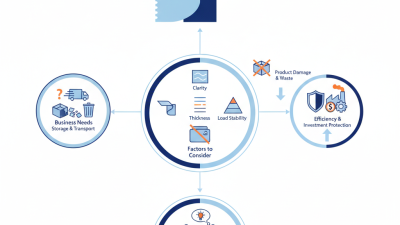
Choosing the right stretch film is crucial for businesses seeking efficiency and sustainability. Factors such as tensile strength, clarity, and puncture resistance play significant roles in determining the best options available. With increasing environmental concerns, many manufacturers are now focusing on producing biodegradable and recyclable stretch films. This shift can enhance a company’s reputation while meeting consumer demands for greener products.
Despite the advancements, challenges exist in selecting the most suitable stretch film. Not all options provide the same level of protection or sustainability. Businesses must navigate through numerous products and specifications, which can be overwhelming. Understanding these nuances is essential for making informed decisions. As the industry evolves, remaining aware of innovations and market trends is essential for global buyers.
2026 Market Overview: Global Demand for Stretch Film Products
The global demand for stretch film products is set to grow significantly by 2026. According to industry reports, the stretch film market is expected to reach approximately $10 billion globally. This growth is driven by the retail, food, and pharmaceutical industries, where packaging plays a crucial role in supply chain efficiency.
In 2023, North America accounted for around 35% of the global market share. This dominance is projected to persist, as demand for sustainable packaging increases. Interestingly, a recent study revealed that about 60% of consumers prefer products with environmentally friendly packaging. This trend is a challenge for manufacturers. They must innovate while remaining cost-effective.
However, not all regions will experience growth at the same rate. Emerging markets in Asia Pacific are expected to grow rapidly, driven by urbanization and rising disposable incomes. Yet, some businesses may struggle to meet this demand without compromising quality. This reflects a need for continuous improvement and adaptation within the industry. The shift toward biodegradable stretch films is an area requiring more research and implementation. Developing such materials remains a complex challenge, with many questions still unanswered.
Key Factors Driving the Growth of Stretch Film in Various Industries
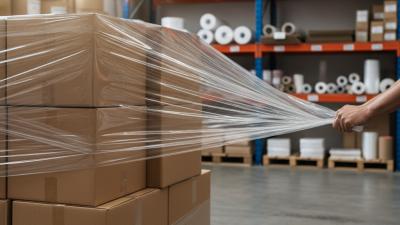
The stretch film market is expanding rapidly. Several key factors are driving this growth. The increase in e-commerce plays a significant role. As online shopping continues to rise, packaging solutions must adapt accordingly. Stretch film is ideal for securing goods during transit, ensuring that products arrive safely.
Another important factor is the demand for sustainable packaging solutions. Industries are moving towards eco-friendly materials. Stretch film made from recycled resources is becoming more popular. Companies are looking for ways to reduce their carbon footprint. This change often leads to more efficient packaging processes as well.
However, there are challenges in this market. The variability in raw material prices can impact the cost of stretch film. Companies need to manage these costs effectively. Additionally, while many brands promote their eco-friendly products, not all fulfill their promises. Buyers must remain vigilant and question the actual sustainability of materials used. As the market evolves, transparency will be crucial for both buyers and suppliers alike.
Global Demand for Stretch Film by Industry (2026)
Comparison of Different Material Types: PE vs. PVC vs. Other Variants
Stretch films are essential in packaging, and buyers often face a choice between various materials. The two most common options are polyethylene (PE) and polyvinyl chloride (PVC). Each material has unique characteristics that suit different applications.
PE is known for its versatility and strength. It provides excellent stretchability and cling, making it ideal for securing pallets and wrapping goods. Additionally, it is more resistant to punctures and tears than PVC. On the downside, PE may not adhere well in extreme temperatures. It can become less effective if exposed to cold environments for extended periods.
In contrast, PVC stretch film offers excellent clarity and a strong barrier against moisture. It is more rigid, which can be an advantage for certain types of products. However, PVC is less flexible than PE and may not provide the same strength under heavy loads. It's crucial to evaluate these properties based on specific needs. Buyers might find the best option isn't always clear-cut. Small variations in application can influence the effectiveness of each material. Choosing the right stretch film demands careful consideration.
2026 Best Stretch Film Options for Global Buyers
| Material Type |
Thickness (microns) |
Elongation at Break (%) |
Load Capacity (kg) |
UV Resistance |
Best Use Cases |
| PE |
15 - 30 |
300 - 400 |
1500 |
Yes |
Pallet wrapping, bundling goods |
| PVC |
20 - 35 |
250 - 300 |
1200 |
No |
Electronics packaging, shrink wrapping |
| Blown |
10 - 20 |
300 - 500 |
1000 |
Yes |
General wrapping, export packaging |
| Pre-stretched |
12 - 25 |
200 - 300 |
1800 |
Yes |
Heavy load wrapping, secure transport |
Innovative Technologies Shaping the Future of Stretch Film Production
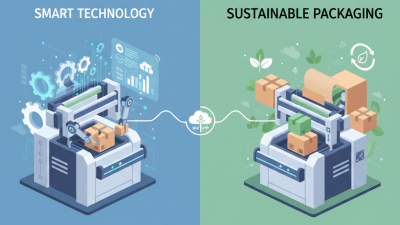
Innovative technologies are redefining stretch film production. As the industry evolves, new materials and methods emerge. These advancements aim to improve film strength, durability, and environmental impact. Manufacturers are now focusing on bio-based films and recycled materials. This shift not only caters to sustainability but also meets global consumer demands for eco-friendly options.
When exploring stretch film choices, consider your packaging needs. Films with enhanced stretch capabilities can significantly reduce material usage. This leads to cost savings and less waste. Test different types before settling on a choice. A trial can expose unexpected benefits or limitations. Always assess the specific requirements of your products.
Stay informed about industry advancements. New developments can influence performance and pricing. Regularly review supplier offerings to find the most innovative solutions. Engage with industry experts to gain insights into future trends. This knowledge can position you ahead in competitive markets.
Sustainability Trends: Eco-Friendly Stretch Film Solutions for Buyers
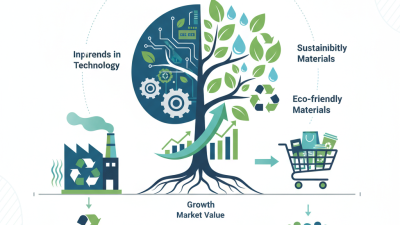
Sustainability is a growing concern in the packaging industry. Eco-friendly stretch films have emerged as a solution for environmentally conscious buyers. According to a recent market report, sustainable stretch films are anticipated to grow by 8.5% annually through 2026. This trend reflects a shift towards materials that reduce plastic pollution.
Manufacturers are increasingly using biodegradable and recyclable materials. This helps reduce the environmental impact of packaging waste. Reports indicate that traditional plastic stretch films contribute to a significant portion of landfill waste. In contrast, bioplastics derived from renewable resources offer a promising alternative. However, challenges remain in their production cost and performance consistency.
Additionally, transparent communication about sustainability practices is crucial. Many buyers are seeking certifications that verify eco-friendly claims. A 2023 survey found that 70% of purchasers prefer brands that prioritize sustainability. Yet, skepticism exists regarding the authenticity of “green” labels. This creates an opportunity for industry leaders to enhance credibility and trust. Responsible sourcing of materials and transparent supply chains are vital for future advancements in eco-friendly stretch films.