How to Choose the Right Stretch Film for Your Business Needs?
Choosing the right stretch film for your business is essential. This film plays a vital role in packaging and protecting your products during storage and transport. Different types of stretch film exist, each designed for specific needs. Understanding these variations can be challenging.
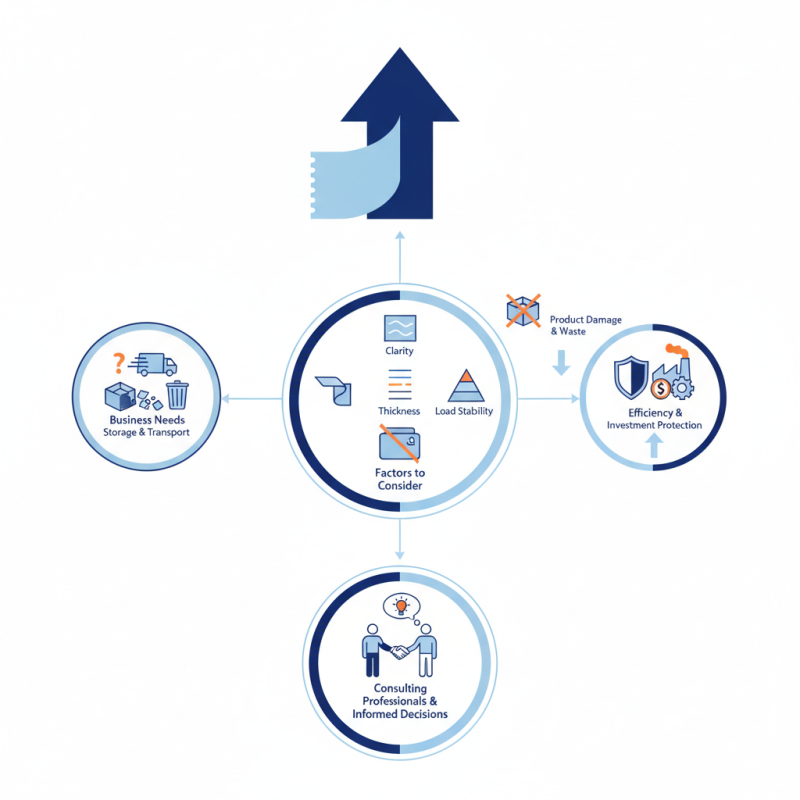
When selecting stretch film, consider factors such as clarity, thickness, and load stability. Each characteristic impacts performance and cost. Thin stretch films may save money but could lack strength. On the other hand, thicker options offer durability but may lead to excessive costs. Finding the right balance is crucial.
Mistakes in choosing stretch film can lead to product damage. A poor selection can result in increased waste or higher shipping costs. Take time to assess your needs carefully. Consulting with professionals can provide valuable insights. Make informed decisions to enhance efficiency and protect your investments.
Understanding the Different Types of Stretch Film Available
When selecting the right stretch film, understanding the types available is crucial. Stretch film comes in various thicknesses, like 80 gauge or 90 gauge. Thicker films provide greater strength, ideal for heavy loads. However, they may be more challenging to work with due to their rigidity. Consider the weight and size of your products. If you regularly handle lighter items, a lower gauge may suffice.
There are also different types of stretch films to consider. For instance, hand wrap is designed for manual application. It's easy to use but may lack the consistency of machine stretch film. On the other hand, machine stretch film allows for automated processes, increasing efficiency. However, choosing the right machine setup is vital for optimal performance.
Another factor to reflect on is the clarity of the film. Clear stretch film offers visibility of products, aiding in inventory tracking. But sometimes, using opaque films may be necessary for branding or security reasons. It's also essential to consider environmental aspects. Some stretch films are recyclable, while others are not. Evaluating your environmental impact can be a vital aspect of your purchasing decisions. Understanding these different factors will guide you to select a suitable stretch film for your business.
How to Choose the Right Stretch Film for Your Business Needs?
| Type of Stretch Film |
Features |
Best Use Cases |
Thickness (mm) |
Cost (per roll) |
| Hand Stretch Film |
Easy to apply, no machine required |
Packing small items, manual wrapping |
15 - 35 |
$30 - $60 |
| Machine Stretch Film |
Designed for automatic machines |
Large-scale packaging, consistent wraps |
20 - 50 |
$40 - $80 |
| Pre-Stretch Film |
Reduced thickness but high strength |
Heavy items, reduced material use |
10 - 25 |
$35 - $70 |
| Colored Stretch Film |
Provides visibility for identification |
Theft protection, aesthetic packaging |
20 - 40 |
$50 - $90 |
| UV Resistant Stretch Film |
Protection against sun damage |
Outdoor storage, long-term packaging |
20 - 60 |
$60 - $100 |
Determining the Thickness and Stretch Ratio Suitable for Your Products
Choosing the right stretch film is crucial for effective product protection during storage and transportation. The thickness of the film can greatly influence its performance. For lighter products, a film thickness of 60-80 gauge is often sufficient. Heavier items may require a thicker film, around 90-120 gauge, to ensure durability. Industry research indicates that using proper film thickness can reduce material costs by up to 20%.
Stretch ratio is another essential consideration. This number represents the percentage the film can be stretched before breaking. A stretch ratio of 300% to 400% is ideal for most applications, allowing for proper load containment. However, some reports suggest that over-stretching can lead to film failure. Therefore, understanding the specific requirements of your products is vital.
Observe your packaging needs closely. Evaluate your products' weight and fragility. This step may seem tedious but can prevent costly damages. Experimenting with different combinations of thickness and stretch ratios in small batches might provide clearer insights. Accumulative data can help refine your decisions, leading to more effective packaging solutions in the long run.
Evaluating the Clarity and Transparency of Stretch Film for Branding
When selecting stretch film, clarity and transparency play crucial roles in branding. A clear film allows customers to see the product through packaging. This visibility can enhance trust and encourage purchases. If a product appears secure and intact, consumers are more likely to buy it. However, not all stretch films offer the same level of clarity.
Evaluating the transparency of stretch film requires careful consideration. Some films may have a glossy finish that reflects light poorly, muddling the appearance of the item beneath. Brands need to assess their products' shelf appeal within the packaging. While a thicker film might provide better protection, it could also compromise visibility. Striking a balance is essential.
In practice, businesses often overlook how packaging impacts consumer perception. Using a film that is both strong and clear isn't always straightforward. Sometimes, the benefits of clarity can conflict with other protective qualities. Testing various options will help identify the best fit. The right stretch film will not only secure products but also support a brand’s image effectively.
Stretch Film Clarity and Transparency Evaluation
Assessing the Environmental Impact and Sustainability of Stretch Film
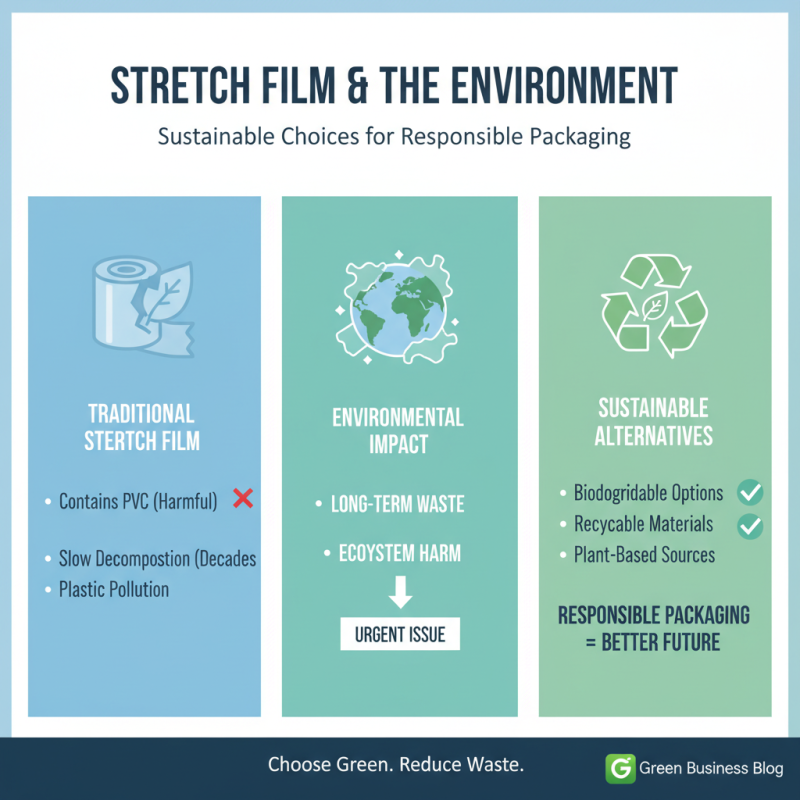
When selecting stretch film, businesses must consider its environmental impact. Traditional stretch films often contain polyvinyl chloride (PVC), which is harmful to the environment. These materials can take decades to decompose, contributing to plastic pollution. To address this issue, many companies are exploring biodegradable and recyclable options that reduce waste. Choosing films made from sustainable sources is a crucial step towards responsible packaging.
Moreover, the sustainability of stretch film doesn't only rely on its material. The production processes play a significant role in determining its environmental footprint. Films made through energy-efficient methods are more favorable. It's essential to assess the life cycle of the stretch film, from production to disposal. Transparency in sourcing and manufacturing can greatly enhance a company's sustainability profile.
Lastly, there is often a trade-off between performance and sustainability. Some biodegradable films may not offer the same level of protection as conventional ones. It demands careful evaluation. Businesses must weigh the benefits of eco-friendly materials against their performance needs. Engaging with suppliers and seeking out innovative solutions is a step toward making better choices that benefit both the environment and the bottom line.
Choosing the Right Stretch Film Dispenser and Application Method
Choosing the right stretch film dispenser and application method can significantly impact your business efficiency. There are various dispensers available, and each serves a different purpose. Some offer manual operation, while others provide automated solutions. Manual dispensers are ideal for small businesses, allowing for flexibility and control. Automated machines, however, enhance speed and consistency, especially in high-volume settings.
Consider your workspace and product types when selecting a dispenser. For small, irregularly shaped items, a handheld dispenser may be sufficient. On the other hand, larger pallets may require a more robust solution. The application method should also match your operational flow. For instance, if your operation involves frequent changes, a mobile dispenser would be advantageous.
Improper selection of a dispenser or method can lead to wasted materials and labor costs. It's crucial to evaluate your needs and existing workflows. Additionally, testing different dispensers can help identify the best fit. Your chosen method should not only be efficient but also comfortable for your staff to use regularly. This way, you maximize productivity and minimize errors.