Essential Packing and Shipping Supplies Tips for Global Buyers?
When it comes to global buying, understanding packing and shipping supplies is crucial. An expert in the field, Mark Johnson, once stated, “The right supplies can make or break your shipping experience.” This highlights the importance of selecting proper materials for safe delivery.
Packing and shipping supplies encompass various items. From boxes to cushioning materials, each choice impacts the product’s safety. Using sturdy boxes ensures your items are secure during transport. Additionally, using bubble wrap or recyclable packing peanuts can prevent damage. Many buyers underestimate the significance of these choices, leading to potential regrets.
In an age of global commerce, the need for reliable packing and shipping supplies is more pressing than ever. Poorly packed items risk delays and losses. Take time to assess your options carefully. Evaluate the quality of your supplies, as they reflect your business's professionalism.
Understanding Global Shipping Requirements and Regulations
Understanding global shipping requirements and regulations is crucial for buyers engaged in international commerce. Each country has specific packaging and shipping rules. Packaging must meet local standards to avoid issues. In some regions, biodegradable materials are preferred. In others, sturdy boxes with proper cushioning are essential to prevent damage during transit.
Moreover, customs regulations can vary significantly. Packages may need detailed descriptions and accurate valuations. Misdeclaring goods can result in hefty fines or delays. Understanding import taxes and duties is essential for smooth shipping. You might encounter unexpected regulations that are not intuitive. Many buyers underestimate these complexities, which can lead to problems.
Documentation is another critical aspect. Each shipment requires specific paperwork, such as invoices and packing lists. Missing or incorrect documents can stall deliveries. Ensuring compliance with both exporting and importing country regulations builds trust. It could significantly improve the overall shipping experience. Yet, many overlook this vital step, which can complicate their operations.
Choosing the Right Packing Materials for International Shipments
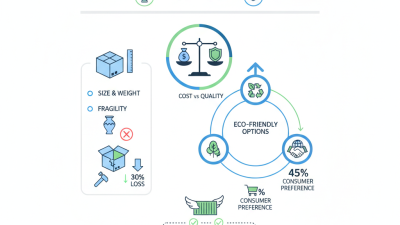
Choosing the right packing materials for international shipments is crucial for global buyers. According to the International Journal of Logistics Management, nearly 25% of damage during transit comes from inadequate packaging. This highlights the need for careful selection. Strong, durable materials can reduce product loss and enhance customer satisfaction. For instance, bubble wrap and corrugated boxes work well for fragile items.
Consideration of weight is also vital. Lighter materials can save on shipping costs. Research from the Freight Transportation Research Association reveals that packaging contributes up to 30% of total shipping weight. Buyers should evaluate various options, balancing protection and cost efficiency.
Moreover, environmental impact is drawing attention. Sustainable packing materials are increasingly popular. A report by the Sustainable Packaging Coalition found that 70% of consumers prefer eco-friendly packaging. Utilizing recycled or biodegradable materials can boost brand reputation while minimizing the ecological footprint. This shift is not only ethical but also shows market awareness.
Essential Shipping Supplies for Safe and Efficient Delivery
When shipping goods globally, selecting the right supplies is crucial. Proper packing ensures products arrive safely. It also minimizes the risk of damage during transit. Utilize strong boxes that can withstand rough handling. Always choose the appropriate sizes to prevent shifting inside.
Tips for packing include using bubble wrap, packing peanuts, or foam inserts for fragile items. Label your packages clearly, including handling instructions if necessary. Check weight limits and regulations for different countries. It is wise to conduct research on any specific requirements for international shipping.
Avoid overpacking, as it can lead to inconsistencies in weight. This may raise shipping costs and delay delivery. Consider the environmental impact of your packaging choices. Seek out recyclable materials whenever possible. Reflect on your approach to ensure your methods are both effective and sustainable.
Essential Shipping Supplies for Safe and Efficient Delivery
Cost-Effective Packaging Solutions for Global Buyers
When purchasing items globally, packaging plays a vital role in ensuring products arrive safely and economically. A study by the International Journal of Packaging Technology indicates that effective packing can reduce shipping costs by up to 30%. This is crucial for global buyers looking to minimize expenses while maintaining quality. Using materials like biodegradable bubble wrap or recyclable boxes not only cuts costs but also aligns with sustainability goals.
Budget-friendly packaging solutions are not always straightforward. Buyers need to consider the dimensions of their products carefully. An oversized box can lead to wasted space and increased shipping fees. According to a report by the Council of Supply Chain Management Professionals, optimizing package size can save companies around 20% on shipping costs. Global buyers should invest time in refining their packing methods to balance protection and expenditure.
Additionally, relying on insufficient materials can lead to damaged goods and unhappy customers. It's important to reflect on the materials used in packaging. Inadequate padding or weak boxes might save money initially, but the long-term costs of returns can exceed savings. Striking a balance between cost-effectiveness and quality is essential for global procurement.
Best Practices for Labeling and Documentation in International Shipping
In international shipping, proper labeling and documentation are crucial. A study by the International Bureau of Shipping highlights that 30% of shipping delays are due to inadequate documentation. This points to the importance of getting it right the first time. Clear and precise labels ensure that packages reach their destinations without unnecessary hold-ups.
Using specific labeling practices can greatly reduce errors. Use clear fonts and avoid jargon. Include all relevant details, such as the destination address, sender’s information, and handling instructions. A report from Logistics Management indicates that packages with accurate labels are 50% less likely to be misrouted. This underscores the need for attention to detail.
Documentation should include commercial invoices and packing lists. These documents facilitate customs clearance and prevent delays. Incorrect or missing paperwork can lead to hefty fines. Research shows that businesses experience a 20% increase in efficiency when shipping documents are well-prepared. Consider this: are you investing enough in proper documentation? Small oversights can lead to significant losses.