Choosing the best packaging paper from China requires more than comparing prices, whiteness, or supplier catalogs. Performance depends on fiber quality, moisture resistance, printability, recycled content, and consistent delivery. A carton may look excellent in Shanghai, yet fail after weeks in a humid warehouse.
Industry reports provide useful direction. FAOSTAT forestry data identifies China as one of the world’s largest paper and paperboard producers. The China Paper Association’s annual industry reports also show the sector’s continuing investment in recycled fiber, energy efficiency, and production modernization. Smithers’ “The Future of Paper-Based Packaging to 2029” highlights rising demand for recyclable, lightweight, and fiber-based formats. These trends matter, but reports cannot replace a physical sample test.
As WWF packaging expert Erin Simon has stated, “Paper is not automatically sustainable.” That warning deserves attention. Packaging paper made with recycled fiber may reduce virgin-material demand, but its strength can vary. Fresh fiber may deliver better durability, yet it can increase environmental pressure without responsible sourcing. Certification, such as FSC or PEFC, improves traceability, although certification alone does not guarantee perfect performance.
The best choice is therefore conditional. Food packaging, export cartons, shopping bags, and luxury boxes need different paper structures. Ask Chinese suppliers for basis weight, burst strength, Cobb value, recycled content, fiber origin, and laboratory results. Test sheets in real conditions. This step is often skipped. That is a mistake.
A reliable supplier should explain weaknesses, not only advertise advantages. In practice, the best packaging paper balances protection, cost, appearance, recyclability, and supply stability. There is no universal winner.
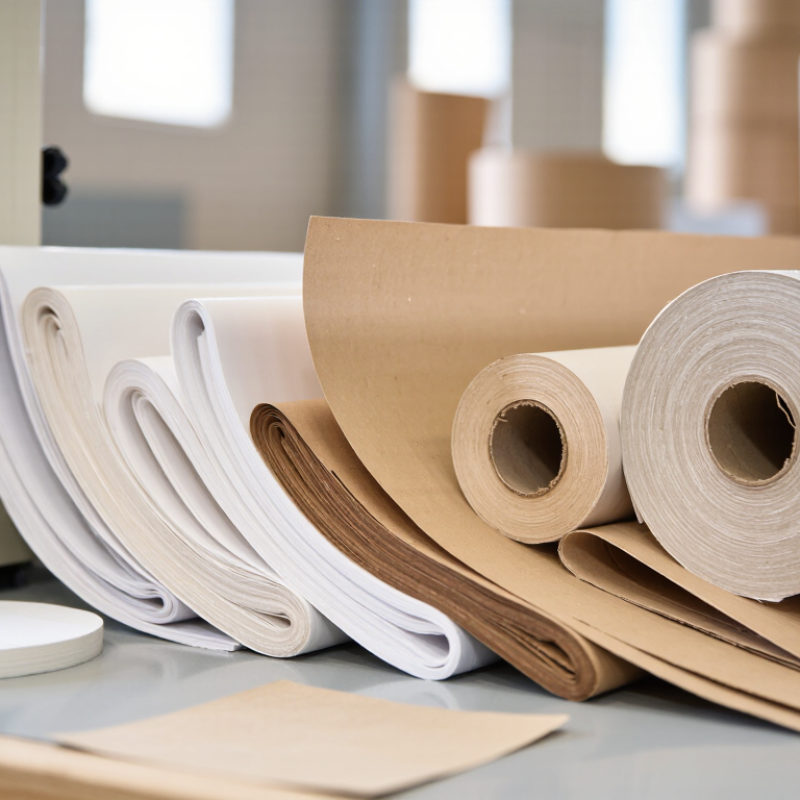
China produced 129.65 million tonnes of paper in 2023, covering many packaging grades. This output shows scale, but volume alone does not identify the best paper. Packaging decisions require testing, not assumptions.
For corrugated boxes, kraft liner offers useful strength and a clean surface. Recycled liner can reduce material costs, but its performance may vary between batches. Corrugating medium needs reliable stiffness and flute formation. Food packaging also requires suitable barriers, controlled odour, and documented safety testing. In sourcing reviews, I check basis weight, moisture, burst strength, and edge crush results. These figures reveal more than attractive samples. A paper may look excellent, yet fail after humid storage. That remains an easy mistake.
Tips: Request recent test reports and production samples. Compare results under similar humidity conditions. Confirm fibre content, coating details, roll width, and acceptable tolerance. Ask how quality problems are handled. Small details matter.
The 129.65 Mt figure reflects China’s broad manufacturing capacity, not one universal packaging solution. Regional mills may offer different lead times, fibres, and quality controls. Buyers should inspect facilities when possible and verify testing methods independently. I would not select paper by price alone. In practice, the cheapest roll can create weaker boxes, higher waste, and slower packing lines. My own evaluation could still miss seasonal variation. Continuous review is necessary.
What Is the Best Packaging Paper From China?
Compare 80–400 gsm Kraft, FBB, Testliner, and Corrugated Grades
Choosing packaging paper from China starts with the product’s weight, surface, and shipping conditions. Kraft paper from 80 to 400 gsm offers strong fibers and useful tear resistance. It suits bags, wrapping, sleeves, and heavier cartons. FBB has a smoother coated surface, making it better for sharp graphics and premium folding boxes. However, it may not handle moisture or rough transport as well as Kraft.
Testliner is a practical choice for carton outer layers. It balances cost, printability, and basic strength. Corrugated grades combine liners with fluting, creating air space and cushioning. For fragile goods, the board structure matters more than gsm alone. Check edge crush strength, burst strength, thickness, moisture resistance, and flatness. A 400 gsm sheet is not automatically stronger. Fiber quality and converting accuracy can change the result.
Tips: Request samples from several mills and test them with your actual carton design. Measure compression after stacking for at least 24 hours. Ask for moisture and strength data, not only a product catalog. Check color consistency across batches. A small flaw matters. One honest limitation is that laboratory results may not match humid warehouses or long-distance handling. Review the paper after real transport trials, then adjust the grade or flute profile.
| Paper grade | Typical basis weight | Main raw material | Typical appearance | Key performance | Common packaging uses | Recyclability | Relative cost | Best choice when... |
|---|---|---|---|---|---|---|---|---|
| Brown Kraft Paper | 80–250 gsm | Virgin kraft pulp, recycled fiber, or a blend | Natural brown; may be machine-glazed or uncoated | Good tensile strength, tear resistance, folding performance, and cushioning for light protection | Paper bags, wrapping paper, envelopes, interleaving sheets, void fill, and outer wraps | Usually recyclable if uncoated and free from heavy contamination | Low–Medium | You need flexible, strong, economical paper with a natural appearance |
| White Kraft Paper | 80–180 gsm | Bleached virgin pulp or selected bleached recycled fiber | White or off-white; smooth and printable | Good printability, tear resistance, and relatively high stiffness at low basis weights | Food-service bags, retail bags, bakery packaging, medical pouches, and printed wraps | Generally recyclable when uncoated; barrier treatments may affect recycling | Medium | You want a clean white surface, reliable printing, and paper-bag strength |
| Folding Boxboard (FBB) | 170–400 gsm | Usually a multilayer board made with bleached chemical pulp and mechanical pulp layers | Bright white, smooth, and commonly coated on one or both sides | High print quality, good stiffness-to-weight ratio, clean die-cutting, and reliable folding | Cosmetic cartons, pharmaceutical cartons, food boxes, sleeves, gift boxes, and consumer product packaging | Recyclable when accepted by local systems and not combined with non-paper laminates | Medium–High | You need premium graphics, accurate folding, and a rigid carton rather than a shipping box |
| White-Top Testliner | 125–250 gsm | Recycled fiber base with a white fiber layer or coated printable surface | White printable top with a gray or brown reverse side | Balanced printability, stiffness, burst resistance, and converting performance | Printed corrugated cases, retail-ready boxes, shelf displays, and shipping cartons requiring graphics | Generally recyclable as paper-based corrugated packaging | Medium | You need better surface appearance than brown liner without the cost of fully virgin white board |
| Testliner | 100–250 gsm | Mostly recycled containerboard fiber, sometimes blended with virgin fiber | Brown or mottled brown; surface can be sized for printing | Good cost efficiency, acceptable compression strength, and suitable performance for general shipping | Corrugated boxes, transport cases, dividers, pads, and industrial packaging | Highly recyclable within established paper-recycling systems | Low–Medium | You prioritize economical shipping protection and recycled content over premium appearance |
| Kraftliner | 125–400 gsm | High proportion of virgin kraft pulp, sometimes with recycled fiber | Natural brown or bleached; relatively uniform surface | High tensile strength, strong edge-crush potential, good puncture resistance, and better wet-strength potential than typical recycled liner | Heavy-duty corrugated cases, export boxes, industrial parts packaging, and demanding distribution conditions | Recyclable when uncoated and properly collected | Medium–High | You need higher strength, lower basis-weight potential, or improved performance in humid logistics |
| Fluting Paper | 80–180 gsm | Recycled fiber, semi-chemical pulp, virgin kraft pulp, or a blend | Brown, gray-brown, or white; formed into the corrugated inner layer | Contributes to cushioning, stacking strength, and resistance to edge compression after corrugation | Single-wall and double-wall corrugated board, protective inserts, and shipping cases | Recyclable as part of corrugated packaging | Low–Medium | You are designing the inner medium of corrugated board and need a balance of crush resistance and cost |
| Corrugated Board | 250–400 gsm equivalent* | Linerboard combined with fluting medium | Brown, white-top, or fully white; single-wall or double-wall structure | High strength-to-weight ratio, cushioning, stackability, and protection against handling impact | Shipping boxes, e-commerce cartons, produce cases, appliance packaging, and protective components | Widely recyclable if clean, dry, and free from incompatible laminates | Low–Medium | You need finished transport protection rather than a single sheet of packaging paper |
*Corrugated board is normally specified by its liner and fluting combination, board thickness, flute profile, edge-crush strength, and box compression strength; the stated range is a practical approximate total paper-weight range for common lightweight to medium-weight structures.
Values are typical commercial ranges rather than universal specifications. Actual performance depends on fiber composition, moisture content, coating, caliper, porosity, sizing, converting conditions, and the relevant paper or packaging standard.
What is the best packaging paper from China? The answer depends on measured performance, not appearance or grammage alone. The China Paper Association reported 144.05 million tonnes of paper and paperboard production in 2023. This scale offers many choices, but quality can vary between mills and batches. A heavier sheet is not always stronger.
ISO 536 verifies grammage, measured in grams per square metre. It helps confirm purchasing specifications and shipment consistency. ISO 2758 measures burst strength, which reflects resistance to sudden pressure from stacking or handling. ISO 535 measures water absorption through the Cobb test. A high Cobb value may signal weakness in humid warehouses. Test samples under controlled conditions, preferably around 23°C and 50% relative humidity, before comparing results. Small details matter.
For corrugated packaging, Edge Crush Test, or ECT, shows how well board resists vertical compression. This is critical for stacked cartons. ISO 3037 is commonly used for ECT measurement, while the liner and flute structure must also be recorded. The International Corrugated Case Association links compression performance with box design, board strength, and stacking conditions. Still, one laboratory result can mislead. I would request production-lot samples, not only a supplier’s best sheet. Check moisture, grain direction, surface defects, and test repeatability. Numbers expose the gap between attractive paper and dependable packaging.
When choosing packaging paper from China, verify the FSC claim before comparing prices. Ask for the certificate number, certificate scope, material category, and current validity. A logo on a carton proves little. The Forest Stewardship Council’s 2023 facts and figures reported more than 160 million hectares of certified forest worldwide, but certification does not automatically cover every factory or shipment. Request transaction evidence when your contract requires certified material. Check the paper mill, converter, and product description carefully. Small details matter.
Recycled content also needs evidence. Ask whether the percentage is pre-consumer, post-consumer, or a blended figure. Request a supplier declaration and laboratory test report. CEPI’s 2023 Monitoring Report recorded a paper recycling rate of 79.3% in Europe, showing strong recovery potential, but rates vary by region and paper grade. China’s GB/T requirements should appear clearly in the technical specification, including basis weight, moisture, strength, and testing methods. For food-contact packaging, GB 4806.8 requirements may also apply; a general GB/T statement is not enough. Some suppliers provide impressive documents with unclear test conditions. That is a warning. I would check samples after printing, folding, and exposure to humidity, because paper can fail after conversion. Claims should match the actual batch, not only the company’s general capability. FAO’s Global Forest Resources Assessment 2020 reported roughly 420 million hectares of forest loss since 1990, although the rate has slowed. Responsible sourcing still requires continuous review.
What Is the Best Packaging Paper From China?
Choosing packaging paper from China requires more than comparing the quoted price per ton. The useful figure is the delivered cost per box. Include paper weight, conversion fees, printing, tooling, freight, and expected rejects. A cheaper grade may need extra layers. That can erase the saving. Ask for a written cost breakdown with realistic production quantities.
MOQ also affects cash flow and storage. A low MOQ suits product testing, but it may carry a higher unit cost. A large MOQ can reduce the price per box, yet unused stock becomes a hidden expense. Request trial samples before placing a full order. Check edge crush test results, or ECT, on the actual board grade. Test samples under stacking pressure and moderate humidity. Laboratory figures matter, but warehouse conditions can change performance.
Lead time needs careful verification. Ask for sampling, production, inspection, and shipping times separately. A supplier that promises ten days may exclude material preparation or port delays. Confirm the production schedule in writing. I have found that small changes in flute type or paper moisture can affect both strength and timing. This is easy to overlook. Request recent test records, batch details, and photos of packed goods. Supplier claims should support decisions, not replace independent checks. My own early comparisons focused too heavily on price. That mistake taught me to compare total box cost, tested ECT, MOQ, and dependable delivery together.