
China Top Packaging Paper Suppliers for Global Buyers
China has become a critical sourcing base for packaging paper, supported by large-scale mills, integrated logistics, and expanding recycled-fiber capacity. The China Paper Association’s 2023 industry statistics show substantial national output of paper and paperboard, reflecting strong manufacturing depth and domestic demand. This scale gives international buyers access to kraft paper, corrugated medium, coated grades, and specialty packaging papers.
Market data also supports closer supplier evaluation. FAO Forestry Production and Trade statistics track China’s significant role in global paper and board production. Smithers’ packaging market research identifies sustainability, lightweighting, and recyclable structures as continuing forces in paper-based packaging. These trends affect more than product selection. They influence fiber sourcing, moisture resistance, printing performance, and shipment efficiency.
The best supplier is not always the largest one. A buyer should examine mill location, annual capacity, machine width, basis-weight tolerance, and export experience. Request current technical data sheets and recent test certificates. Check Cobb values, burst strength, ring crush, and dimensional stability where relevant. A container arriving with uneven rolls can erase a small price advantage quickly.
Certification matters. Depending on the application, buyers may review FSC or PEFC chain-of-custody evidence, ISO 9001 systems, food-contact documentation, and recycled-content declarations. Requirements differ across markets, so verification should remain specific and documented. Some supplier claims look impressive. They still need checking.
This guide introduces leading China packaging paper suppliers for global buyers. It compares capability, product range, quality controls, sustainability evidence, and export responsiveness. The assessment is practical, but not perfect. Paper performance can change between batches, and published data may become outdated. That is why samples, audits, and clear purchase specifications remain essential.
Packaging Paper: Types, Grades, and Common Global Applications
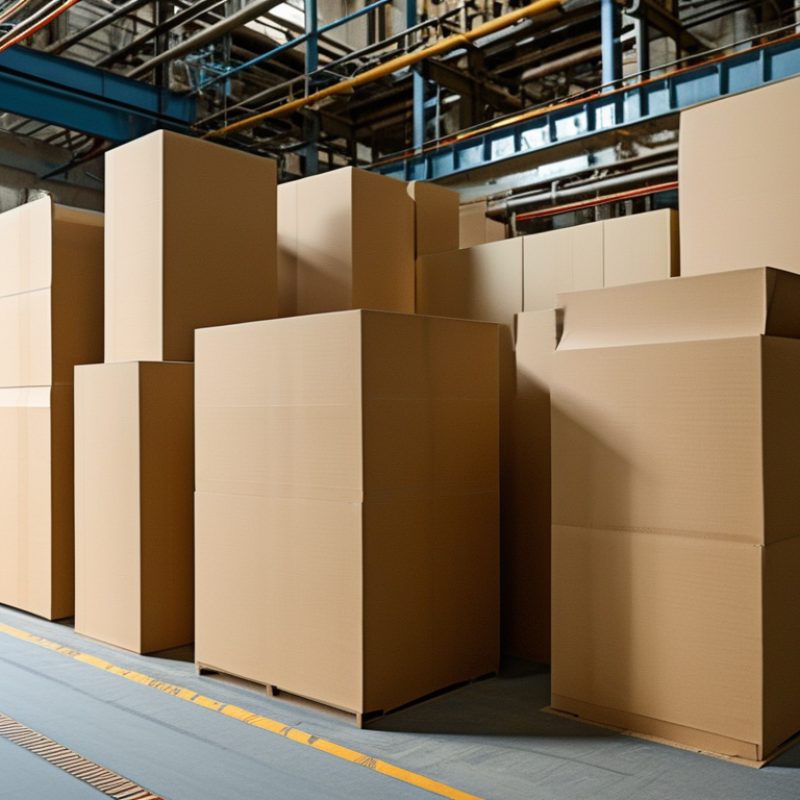
Packaging paper comes in several practical types. Kraft paper is strong and widely used for bags, wrapping, and carton liners. Corrugating medium forms the fluted center of shipping boxes. Testliner provides a cost-efficient outer surface for many cartons. White-top grades offer cleaner print presentation for retail packaging. Coated papers support sharper graphics, but coatings can affect recycling choices. Grades are often compared by GSM, burst strength, ring crush, moisture resistance, and printability. A higher GSM does not always mean better performance.
Tips: Match the grade to the product weight, transport distance, humidity, and printing method. Ask suppliers for recent test reports and production samples. Check the paper’s intended-use documentation, especially for direct-contact packaging. Small details matter.
Global buyers commonly use these papers for e-commerce boxes, food cartons, paper bags, protective wraps, and agricultural packaging. China’s packaging paper suppliers often provide multiple grades for different converting lines and export conditions. Still, supplier claims need careful review. A sample may perform well in a dry warehouse but weaken during humid shipping. This is an easy point to overlook. Buyers should compare edge crush results, sheet consistency, roll dimensions, and delivery protection. They should also confirm whether the paper runs smoothly on their equipment. Paper that looks excellent may create dust, curl, or feeding problems. Specification sheets help, but machine trials remain more reliable.
China Top Packaging Paper Suppliers for Global Buyers - Packaging Paper: Types, Grades, and Common Global Applications
| Packaging Paper Type | Common Grade or Structure | Typical Basis Weight | Main Performance Characteristics | Common Global Applications | Typical Buyer Requirements |
|---|---|---|---|---|---|
| Kraftliner | Virgin-fiber linerboard; brown or white-top grades | 100–250 g/m² | High tensile strength, strong edge-crush performance, good puncture resistance, and reliable printability on coated surfaces | Outer layers of corrugated shipping cases, export cartons, heavy-duty boxes, and retail-ready packaging | Bursting strength, edge crush test, moisture resistance, color shade, reel width, and converting stability |
| Testliner | Recycled-fiber linerboard; one- or multi-ply construction | 90–220 g/m² | Cost-efficient, good surface formation, suitable stiffness, and consistent performance for standard corrugated packaging | General shipping cartons, e-commerce boxes, supermarket cases, and secondary transport packaging | Recycled content, compression strength, moisture tolerance, surface smoothness, and compliance with recovered-paper specifications |
| Fluting Medium | Semi-chemical fluting or recycled corrugating medium | 90–180 g/m² | Good crush resistance, controlled stiffness, and the ability to form stable corrugated flutes during high-speed conversion | Single-wall, double-wall, and triple-wall corrugated boxes for industrial and consumer goods | Crush resistance, ring crush or short-span compression, moisture resistance, caliper, and compatibility with flute profiles |
| Sack Kraft Paper | Extensible kraft paper; bleached or unbleached grades | 60–110 g/m² | High tensile energy absorption, strong tear resistance, controlled porosity, and good performance in multiwall bags | Cement bags, dry-mix mortar sacks, pet-food bags, agricultural products, chemicals, and industrial powders | Porosity, elongation, tensile strength, tear strength, moisture resistance, valve-bag performance, and dust control |
| Folding Boxboard | Multi-ply board with coated top surface and mechanical or chemical pulp layers | 200–400 g/m² | Good stiffness-to-weight ratio, smooth printable surface, clean folding, and suitable die-cutting performance | Cereal cartons, confectionery boxes, pharmaceutical cartons, personal-care packaging, and household-product cartons | Caliper, stiffness, folding endurance, coating quality, whiteness, print finish, and food-contact suitability where required |
| Solid Bleached Board | Fully bleached chemical-pulp board; coated or uncoated grades | 180–600 g/m² | High cleanliness, smoothness, print quality, stiffness, and good suitability for premium folding and liquid-packaging structures | Premium food cartons, cosmetics packaging, pharmaceutical packs, food-service packaging, and laminated applications | Surface smoothness, brightness, bulk, stiffness, odor and taste neutrality, coating adhesion, and regulatory documentation |
| Coated Duplex Board | Recycled-fiber board with a coated white top layer and gray or white reverse | 200–500 g/m² | Good stiffness and printability at a competitive cost; reverse-side appearance depends on the grade | Non-direct-contact consumer cartons, shoe boxes, toy packaging, gift boxes, and promotional packaging | Surface whiteness, coating uniformity, stiffness, folding performance, recycled content, and restrictions for direct food contact |
| Greaseproof Paper | Highly refined, dense paper with low air and grease permeability | 30–90 g/m² | Resists oil and grease without relying on a plastic film barrier; suitable for wrapping and interleaving | Bakery bags, fast-food wraps, butter and cheese interleaves, confectionery wrapping, and food liners | Kit rating, grease resistance, wet strength, heat tolerance, odor neutrality, and food-contact compliance |
| Glassine Paper | Supercalendered, translucent, smooth paper with low porosity | 30–120 g/m² | Smooth, glossy, translucent, and resistant to air, moisture, and grease to a moderate level | Food wrapping, bakery windows, protective interleaves, envelopes, labels, and decorative packaging | Transparency, smoothness, caliper, moisture resistance, printability, sealability, and compatibility with coatings or adhesives |
| Wrapping Kraft Paper | Brown or bleached kraft paper; machine-glazed or natural finish | 40–120 g/m² | Good tensile and tear strength, flexible handling, and broad compatibility with printing and converting | Retail bags, parcel wrapping, paper envelopes, protective void fill, gift wrapping, and inner packaging | Grammage, tensile strength, tear resistance, surface finish, printability, paper-bag converting, and recycled-content claims |
| Wet-Strength Paper | Paper treated with wet-strength resins or other reinforcing chemistry | 40–150 g/m² | Retains a significant proportion of its dry strength after exposure to water or high humidity | Beverage carriers, produce bags, flower sleeves, wet-food packaging, labels, and industrial wrapping | Wet tensile strength, water resistance, repulpability, odor, chemical compliance, and end-use food-contact requirements |
| Paper Honeycomb Core | Expanded kraft-paper cells bonded into a lightweight core | Core weight varies by cell size and thickness | High compression efficiency, low weight, shock absorption, and good material utilization | Protective packaging, pallet components, door cores, furniture panels, and transport separators | Cell size, thickness, compression strength, flatness, moisture resistance, panel adhesion, and custom cutting accuracy |
Related Posts
-

How to Choose the Right Packaging Paper for Your Needs?
-

Top Types of Packaging Paper for Eco Friendly Shipping Solutions?
-

2025 Top 10 Sustainable Packaging Options Revolutionizing the Industry
-

Essential Tips for Choosing the Right Paper Board for Your Needs?
-

How to Choose the Best Packaging and Supplies for Your Business Needs?
-

Best Business Packaging Solutions in China for Global Buyers?