In a global marketplace, selecting the right packaging solutions can significantly impact product success. With diverse markets come varying expectations. Buyers must navigate complexities in design, material, and regulations. These factors can make or break a product’s appeal.
Effective packaging solutions also involve thoughtful consideration of sustainability. Brands must balance aesthetics with environmental responsibility. Consumers today increasingly favor eco-friendly choices. Thus, packaging must reflect both quality and ethical standards. The challenge lies in finding innovative designs that capture attention while being kind to the planet.
Buyers often overlook the importance of testing packaging for logistics. Strong packaging can reduce damages during transport. However, prioritizing attractiveness over functionality can lead to costly mistakes. Exploring the best practices in packaging solutions will ensure that products not only look good but also survive the journey from production to consumer. Reflecting on these aspects helps create a winning strategy.
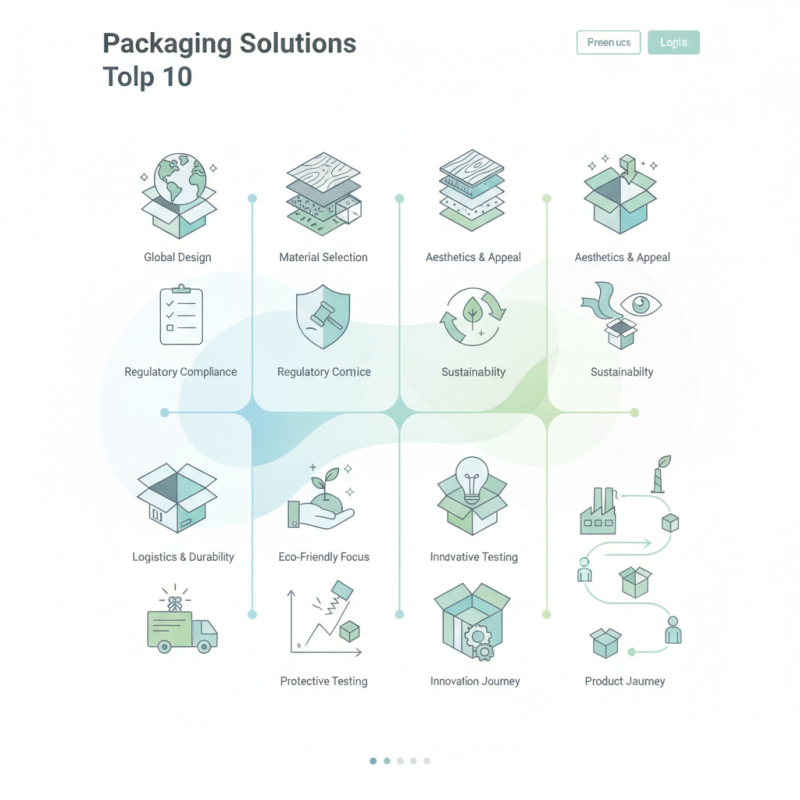
Packaging plays a vital role in global trade. It protects products during transportation and storage. Well-designed packaging enhances brand visibility and ensures products arrive safely. Buyers across the world seek packaging that meets various international standards. Compliance with these standards is essential for smooth customs clearance.
Effective packaging also impacts the environment. Sustainable materials are gaining popularity among global buyers. However, not all companies have adopted eco-friendly practices. Some still prioritize cost over sustainability, which can harm their reputation. It is crucial for businesses to reflect on their packaging choices and their effects on the planet.
Moreover, cultural considerations matter in global markets. Packaging should resonate with target audiences. Colors and designs that appeal to one region may not work in another. Understanding these cultural nuances can help brands connect better with consumers. This process often requires trial and error, but the rewards can be significant.
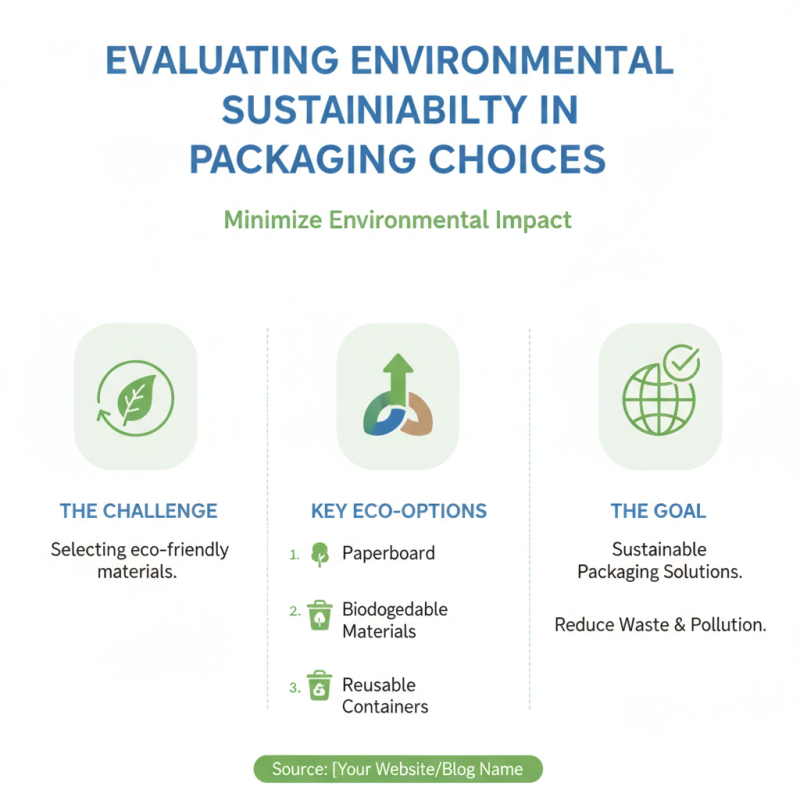
When evaluating packaging solutions, environmental sustainability plays a crucial role. Buyers often face the challenge of choosing materials that minimize environmental impact. Many packaging options exist, yet not all are equally sustainable. Paperboard, biodegradable materials, and reusable containers are examples of eco-friendly choices gaining traction.
Choosing the right packaging isn't straightforward. It requires a deep understanding of different materials and their life cycles. Some biodegradable plastics may not degrade as quickly as advertised. Research shows that they can still cause environmental damage if not processed correctly. Therefore, it's essential to investigate how different materials interact with ecosystems.
Packaging that appears sustainable might not be the best choice. For instance, some recycled materials can still contribute to pollution if not sourced responsibly. Engaging with suppliers who prioritize sustainable practices is vital. Transparency in sourcing and production methods can provide insights. Consistent evaluation and adaptation of packaging strategies help businesses align with their sustainability goals.
Selecting the right materials for diverse markets involves careful consideration. Different regions have unique environmental regulations and consumer preferences. This means that what works in one market might not suit another. For example, biodegradable materials are gaining traction in Europe, while plastic still dominates in some Asian markets.
Understanding local cultures is vital. Packaging that appeals to one demographic may alienate another. Colors, designs, and even textures can evoke different responses. Researching these cultural aspects can guide material selection effectively. Don't underestimate the power of local feedback; it can highlight potential issues early on.
Testing various materials is essential for global success. Manufacturers often face challenges in sourcing sustainable, cost-effective options. It’s crucial to balance durability with environmental impact. Regular reviews and adaptations to packaging strategies are necessary as markets evolve. Monitoring trends can help identify areas for improvement. Embracing this dynamic approach can lead to better outcomes.
| Tip Number | Tip Description | Material Type | Market Suitability |
|---|---|---|---|
| 1 | Choose recyclable materials to appeal to eco-conscious consumers. | Paper, Cardboard | Europe, North America |
| 2 | Consider using biodegradable materials for a global appeal. | PLA, PHA | Asia, South America |
| 3 | Select durable materials to protect products during shipping. | Plastic, Styrofoam | Global |
| 4 | Use attractive designs to enhance shelf appeal in diverse markets. | Glass, Metallic | North America, Europe |
| 5 | Focus on tamper-proof packaging to ensure safety and reliability. | Plastic, Composite materials | Global |
| 6 | Opt for lightweight materials to reduce shipping costs. | Thin plastic, Lightweight cardboard | Global |
| 7 | Include local language instructions for better consumer understanding. | Any material | Global |
| 8 | Implement user-friendly packaging for easy opening. | Plastic, Cardboard | North America, Europe |
| 9 | Consider sustainable sourcing to improve brand image. | Recycled materials | Europe, North America |
| 10 | Keep up with regulatory compliance for packaging in different markets. | Any material | Global |
Packaging is more than just a protective layer. It's a canvas that reflects cultural narratives. Different regions have distinct preferences that influence how a product is perceived. For instance, vibrant colors may appeal more in some cultures, while others might favor minimalistic designs. Understanding these nuances is vital for global buyers aiming for a strong market presence.
Imagery plays a crucial role in conveying messages. Symbols and illustrations can have varied meanings across cultures. What resonates in one country might not in another. This variation can lead to misunderstandings or misinterpretations. It’s essential to research and understand local perceptions before finalizing packaging designs. Collaborating with local designers can provide insights that are often overlooked.
Additionally, consider the environmental impact. Some cultures prioritize sustainability. Eco-friendly packaging solutions may enhance brand appeal in those markets. However, the materials must align with local regulations. The challenge is to balance aesthetic appeal, cultural relevance, and sustainability. Continuous feedback from local consumers can also guide improvements in design over time. Adaptability is key in the ever-changing global market.
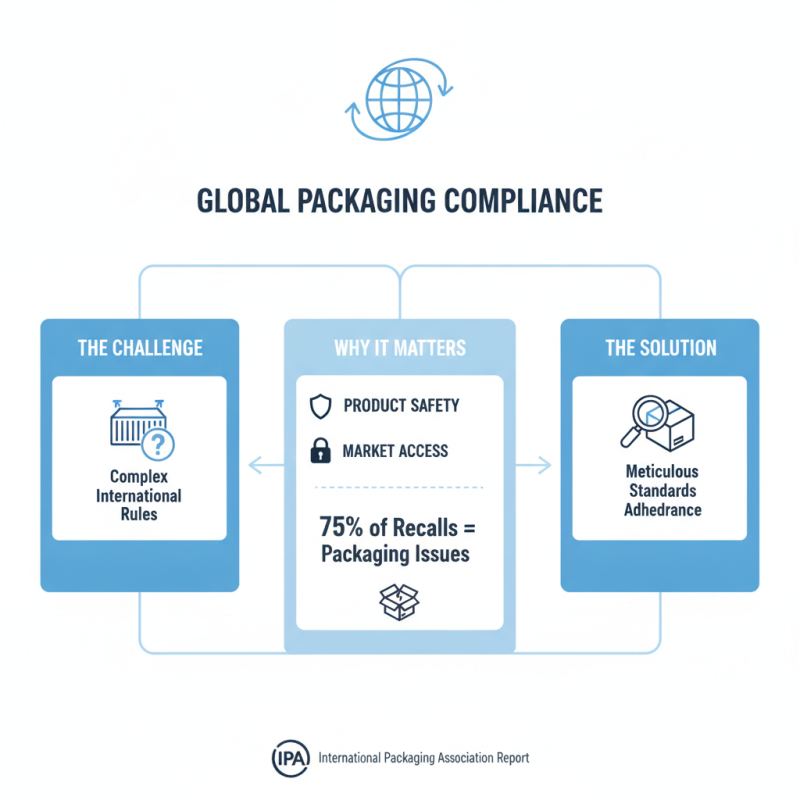
Navigating international packaging regulations can be daunting for global buyers. Compliance is essential for product safety and market access. According to a report from the International Packaging Association, 75% of product recalls are due to packaging issues. This emphasizes the need for meticulous attention to packaging standards.
One crucial tip is to stay updated with regional regulations. For example, the European Union has strict directives regarding plastic packaging. Understanding these specifics helps prevent costly non-compliance penalties. Regularly consulting resources and industry reports can keep you informed.
Another important aspect is using sustainable materials. The Global Packaging Alliance states that 47% of consumers prefer eco-friendly packaging. Choosing recyclable or biodegradable options not only meets regulations but also enhances brand reputation. Buyers should evaluate their supply chain to ensure sustainability is prioritized.
In this ever-evolving landscape, flexibility is key. Regulations can change rapidly. A packaging solution that meets today’s standards might not suffice tomorrow. Regular audits and updates can safeguard against potential pitfalls. By embracing these practices, buyers can ensure compliance while fostering innovation in packaging solutions.