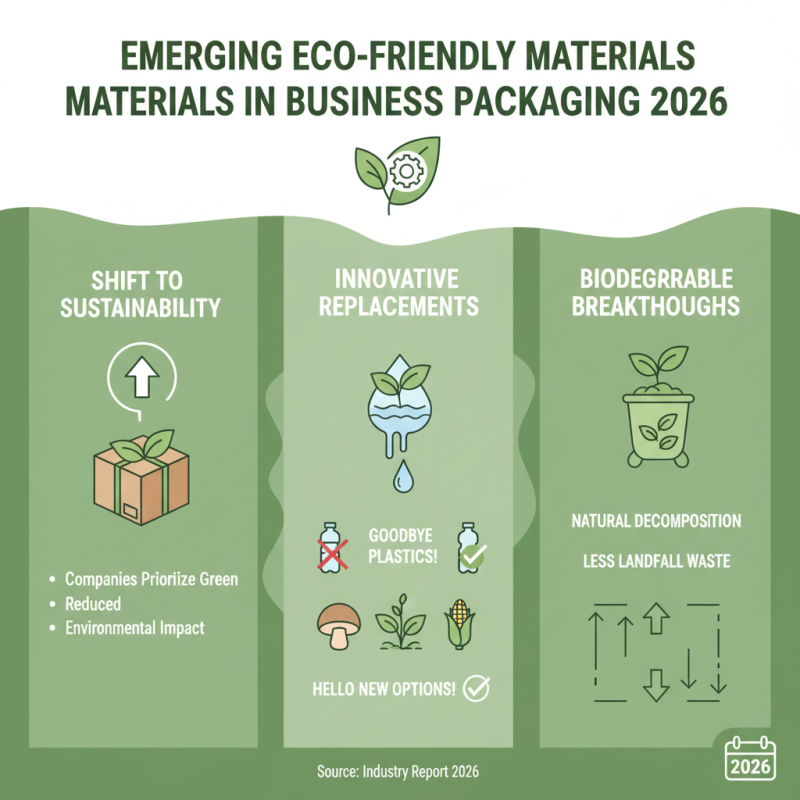
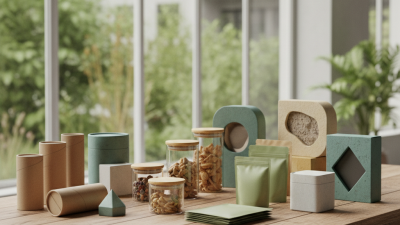
Top Business Packaging Trends for Global Buyers in 2026?
As we look ahead to 2026, the landscape of business packaging undergoes an exciting transformation. Global buyers are increasingly seeking innovative solutions that promote sustainability and functionality. This shift reflects a growing awareness of environmental issues and consumer preferences. Packaging is not just about aesthetics; it is a crucial aspect of the supply chain. Businesses must adapt to these changes to remain competitive.
One prominent trend is the rise of eco-friendly materials. Companies are investing in biodegradable and recyclable options. This aligns with a broader goal of reducing waste and promoting environmental responsibility. However, the transition can be challenging. Some businesses may struggle with sourcing sustainable materials while balancing cost. This presents a complex dilemma that requires strategic thinking.
Another trend worth noting is the integration of smart technology. Packaging that incorporates QR codes or augmented reality enhances consumer engagement. Yet, there is a risk of overcomplicating the packaging process. Simplicity often resonates better with consumers. As these trends evolve, businesses must reflect on their strategies to effectively meet the demands of 2026.
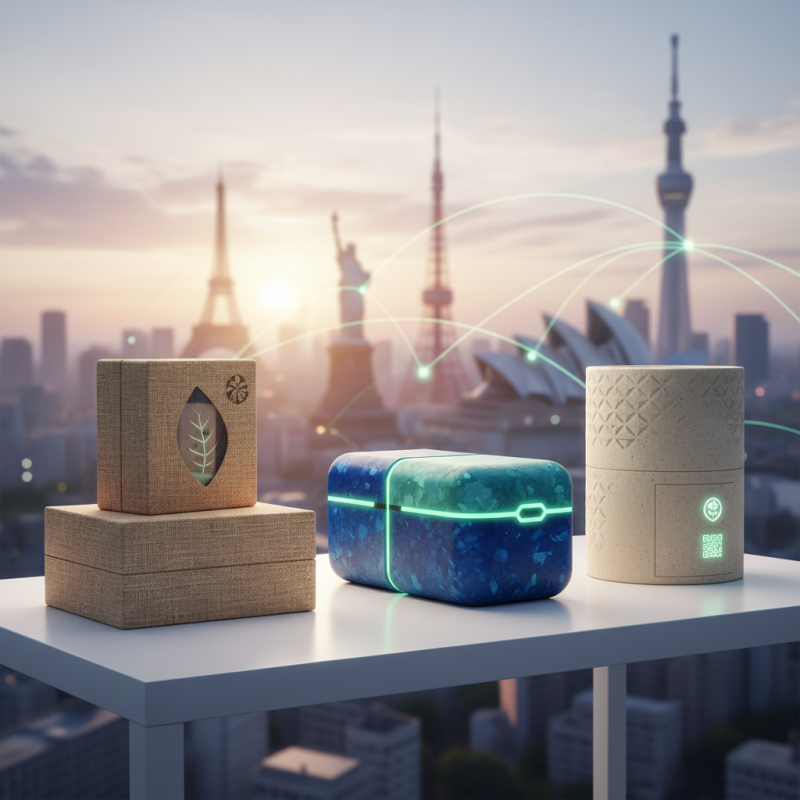
Emerging Eco-friendly Materials in Business Packaging 2026
In 2026, eco-friendly materials are set to revolutionize business packaging. Companies are increasingly prioritizing sustainability. Traditional plastics are being replaced by innovative options that have a lower environmental impact. Biodegradable materials are emerging as strong contenders. These options break down naturally, reducing landfill contributions.
Mushroom-based packaging is gaining traction. This material is biodegradable and compostable. It offers a robust alternative to polystyrene. Another exciting trend is the use of seaweed-based films. These films are not only biodegradable but also edible, providing a unique solution for food packaging.
However, challenges remain in sourcing and scalability. Many eco-friendly materials currently lack widespread availability. Additionally, they may be more expensive than conventional options. Companies must weigh the costs against potential benefits. This shift demands careful consideration, as the right choices can enhance brand reputation.
Innovative Design Trends Shaping Consumer Perceptions in Packaging
In 2026, the evolution of packaging design will reflect the need for innovative solutions. Consumers are seeking more than functionality; they desire emotional engagement. Research indicates that 72% of consumers feel that packaging plays a crucial role in brand perception. Therefore, businesses must prioritize design to resonate with their audience.
Sustainable materials are shaping perceptions significantly. A recent report highlighted that 85% of consumers are more likely to purchase products in eco-friendly packaging. This shift demands creativity and responsibility from brands. However, achieving this balance can be challenging. Some companies struggle to find sustainable materials that meet aesthetic and functional requirements.
The aesthetics of packaging cannot be overlooked. Studies show that 66% of consumers base their purchases on visual appeal. This trend pushes brands to explore unique colors, shapes, and textures. However, overcomplicating designs can confuse consumers. Striking the right balance between creativity and clarity is essential for effective communication. Additionally, brands must engage with consumers, inviting feedback on their packaging choices.
Top Business Packaging Trends for Global Buyers in 2026
| Trend |
Description |
Impact on Consumers |
Sustainability Aspect |
| Minimalist Design |
Focus on simplicity and clarity, reducing clutter in packaging. |
Enhances product focus and brand clarity. |
Often involves using fewer materials, lowering waste. |
| Interactive Packaging |
Packaging that uses QR codes or augmented reality to engage consumers. |
Creates a unique unboxing experience, fostering a connection with the brand. |
Can incorporate recycled materials for QR codes and tech components. |
| Eco-friendly Materials |
Use of biodegradable, compostable, or recycled materials in packaging. |
Aligns with consumer demand for sustainability and environmental responsibility. |
Significantly reduces environmental footprint, appealing to eco-conscious consumers. |
| Customizable Packaging |
Allowing consumers to personalize packaging for special occasions. |
Enhances emotional connection and consumer loyalty. |
Customization can be achieved with sustainable materials. |
| Smart Packaging |
Incorporating NFC chips or sensors that provide product information. |
Offers added value and enhances product integrity perception. |
Can integrate energy-efficient technology in production. |
Integration of Smart Technologies in Packaging Solutions
The integration of smart technologies in packaging solutions is shaping the future of global business. In 2026, brands will increasingly leverage IoT and AI to enhance packaging efficiency. Packaging will become more than just a container; it will serve as a communication tool. Smart labels could provide real-time information on product freshness or authenticity. Such innovative features can boost consumer trust.
Automation is transforming production processes. Robots will streamline the packaging line, ensuring consistency and precision. This shift may create a challenge; companies must train their workforce to adapt to new technologies. Continuous learning will be essential. Moreover, sustainable practices remain crucial in smart packaging design. Brands must balance innovation with eco-friendliness.
Users demand customized experiences. Smart packaging can collect data on consumer behaviors. This data empowers brands to tailor their offerings. However, privacy concerns arise with data collection. Companies must prioritize transparency to maintain consumer confidence. Packaging solutions in 2026 will need to reflect this delicate balance between personalization and protection.
Sustainable Packaging Regulations Impacting Global Markets
Sustainable packaging is gaining traction globally. As buyers become more environmentally conscious, regulations are evolving. In 2026, businesses must adapt to these changes. Countries are implementing laws to reduce plastic waste. This means companies need to reconsider their packaging materials and processes.
Tip: Assess your current packaging for sustainability. Identify areas for improvement, such as switching to biodegradable materials. This can enhance brand reputation and meet consumer demand.
Many companies struggle with transitioning to eco-friendly options. Increased costs and complex supply chains can be challenging. Finding reliable suppliers who align with sustainable practices is essential. Research leads to better decisions.
Tip: Collaborate with industry experts to navigate sustainable packaging. Their insights can guide successful transitions. This minimizes mistakes and maximizes efficiency. Prioritize compliance with local regulations to avoid penalties and maintain trust.
Top Business Packaging Trends for Global Buyers in 2026
This chart displays the projected growth percentages of various sustainable packaging materials that are anticipated to dominate global markets by 2026. As regulations around sustainability tighten, businesses are shifting towards innovative packaging solutions.
Consumer Preferences Driving Changes in Packaging Aesthetics
In 2026, consumer preferences are reshaping packaging aesthetics. Today's buyers value sustainability, minimalist designs, and uniqueness. Eye-catching visuals matter more than ever. Brands must create a strong first impression with their packaging. Bold colors and innovative shapes attract attention on crowded shelves. The challenge lies in balancing creativity with functionality.
Sustainable materials are critical for modern consumers. Many are looking for biodegradable or recyclable options. This shift reflects a growing awareness of environmental impact. Companies are encouraged to adopt eco-friendly practices in their packaging solutions. However, achieving this can be complicated. Not all materials are readily available or cost-effective. Brands need to explore various suppliers and technologies to meet consumer demands.
The rise of personalization also speaks to evolving tastes. Customized packaging resonates with individual consumers. It creates a meaningful connection between the product and the buyer. Yet, scalability remains a concern. How can businesses maintain custom offers while keeping production efficient? Addressing such issues requires ongoing reflection and adaptation in the packaging landscape.