Ultimate Tips for Using Stretch Film Effectively?
Stretch film is a versatile tool in today's packaging industry. Used to secure items, it provides both protection and stability. However, many people overlook its full potential. They may struggle with techniques, leading to waste and frustration.
Understanding how to use stretch film effectively is crucial. Applying the right tension can make a significant difference. Yet, not everyone gets it right. Some may find themselves wrapping too loosely, risking damage to the contents. Others might struggle with the proper cut, causing unnecessary effort.
Reflecting on these challenges can help improve productivity. Effective use of stretch film can save time and resources. Experimentation is key. By sharing insights and tips, we can all learn to maximize the benefits of stretch film in our packaging processes.
Understanding Stretch Film: Types and Applications
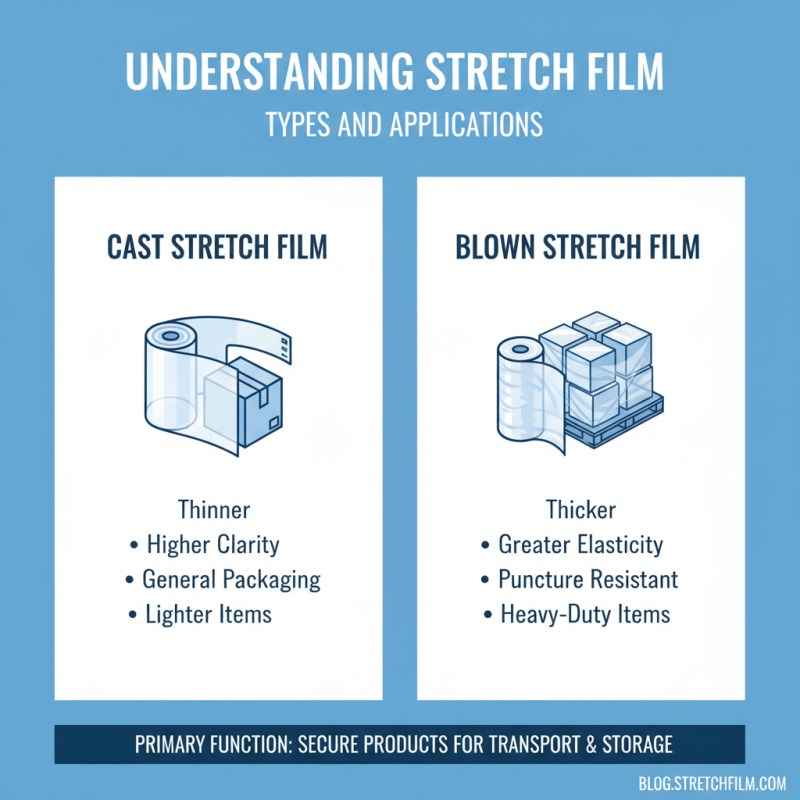
Stretch film is a versatile tool widely used across various industries. Its primary function is to wrap and secure products, ensuring safety during transportation and storage. Two main types exist: cast stretch film and blown stretch film. Cast film is thinner and offers greater clarity. It's ideal for general-purpose packaging. Blown film, on the other hand, provides greater elasticity and puncture resistance, making it suitable for heavier items.
Understanding the right application for each type is crucial. For instance, when wrapping pallets, it’s important to consider the load's weight and dimensions. Blown film may be necessary for heavy loads to prevent tears. Using too thin a film could lead to product loss. Additionally, improper stretching techniques can also lead to inadequate protection. Reflecting on past experiences reveals that using the correct stretch film can save time and minimize waste.
Different applications may require adjustments in techniques. Wrapping irregularly shaped items can sometimes be challenging. It often demands extra care to ensure full coverage. Employing a manual wrap may not always deliver the best results. A machine can offer consistency for larger operations. However, understanding the machine's limitations is vital. The right choice in stretch film essentially bridges the gap between safety and efficiency.
Key Factors to Consider When Choosing Stretch Film
When choosing stretch film, several key factors play a vital role. The thickness of the film is essential. Thicker films provide better protection. A report by Smithers Pira indicates that stretch film market demand has grown by around 4% annually. This highlights the increasing need for quality protection in shipping.
Another factor to consider is the type of stretch film. There are several types, including cast and blown films. Cast films are clearer and have superior stretchability. Blown films offer better puncture resistance. Data from the Flexible Packaging Association shows that 39% of industries prefer cast stretch film for its durability and clarity. However, some users still choose blown films for heavier loads.
Also important is the elasticity of the film. A film that is too stiff may break under pressure. Conversely, overly elastic films may not hold the load effectively. It's crucial to evaluate load types and application methods. Not all films perform well under all conditions. Reflecting on these factors can lead to better packaging decisions.
Proper Techniques for Wrapping Products with Stretch Film
Wrapping products with stretch film can significantly enhance protection during storage or transport. Start by selecting the right thickness of film for your items. Thicker film is stronger but less flexible. Test several options to find what works best for your products.
When wrapping, anchor the film on the base of the item. This provides stability. Overlap the layers as you wrap, aiming for a 50% overlap for optimal security. Ensure even tension on the film; it shouldn't be too tight, which could damage the item, or too loose, which may lead to shifting.
Pay attention to corners and edges. These areas are prone to damage. Use additional film to secure them well. If you notice tears or weaknesses in the wrap, reapply the film. This will help avoid exposure to dust or moisture. It’s okay to take your time, as rushing can lead to mistakes. Regularly inspect your techniques and adjust as necessary.
Ultimate Tips for Using Stretch Film Effectively
| Technique |
Description |
Benefits |
| Proper Tension |
Ensure the stretch film is applied with the right amount of tension to avoid loosening. |
Prevents shifting during transport and enhances stability. |
| Layer Overlap |
Overlap each layer by 50% to improve security and containment. |
Reduces the risk of product damage and improves load integrity. |
| Wrap Orientation |
Wrap from the bottom up to ensure tightness and coverage of the load. |
Enhances grip and prevents debris from entering. |
| Use of Pallet Size |
Select the appropriate size of stretch film to fit the pallet size perfectly. |
Maximizes efficiency and minimizes waste of packaging material. |
| Assess Load Height |
Adjust the wrapping method based on the height of the load. |
Improves balancing and reduces the chance of tipping. |
Common Mistakes to Avoid When Using Stretch Film
Stretch film is a valuable tool for wrapping and securing goods. However, many users make common mistakes that can lead to inefficiencies. One frequent error is improper tension application. Too little tension can result in loose packaging that may shift during transit. Conversely, too much tension can cause the wrap to tear easily, leading to potential damage. Data shows that about 25% of shipments suffer from poor packaging.
Another mistake involves neglecting to cover all surfaces. Leaving exposed areas can allow dirt and moisture to damage goods. Studies indicate that 30% of product loss is due to inadequate protection during transportation. Users often forget about temperature and humidity when using stretch film. Such factors can affect adhesion and performance.
Lastly, people frequently underestimate the importance of proper storage of stretch film rolls. Keeping them in sunlight or in damp areas can degrade material quality. Experts recommend maintaining a controlled environment for storage. It’s easy to overlook these details in busy operations, but these missteps heavily impact efficiency and cost. Reflecting on these common pitfalls can improve overall results.
Ultimate Tips for Using Stretch Film Effectively
The chart below illustrates common mistakes to avoid when using stretch film. Each mistake is represented by its frequency of occurrence, with the most common issues highlighted for better understanding.
Storage and Maintenance Tips for Stretch Film Effectiveness
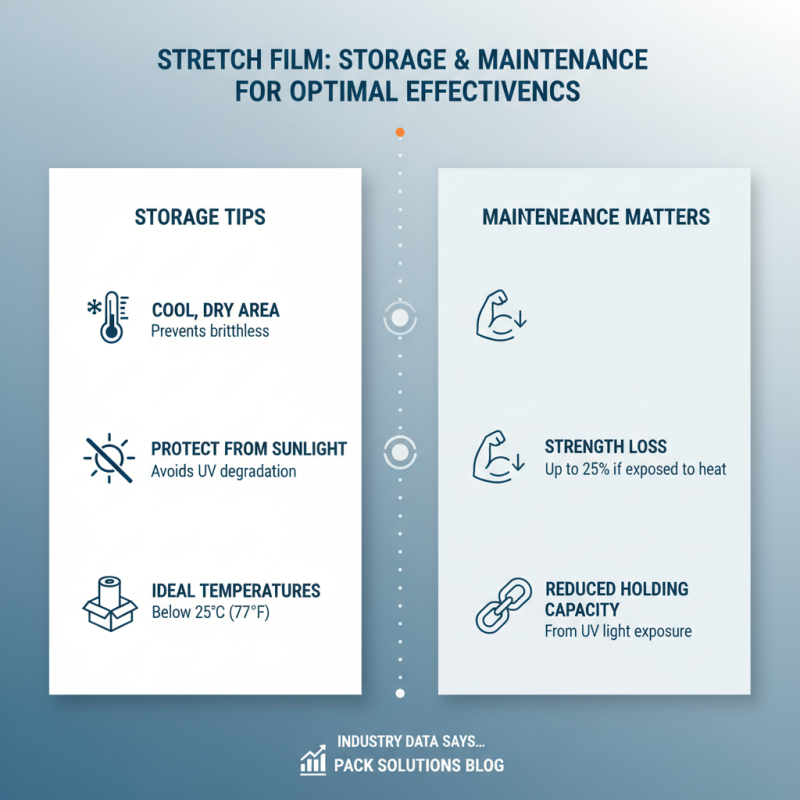
When using stretch film, proper storage and maintenance are crucial for its effectiveness. Stretch film should be stored in a cool, dry area. This helps prevent it from becoming brittle over time. According to industry data, films exposed to high temperatures can lose up to 25% of their strength. Protect the rolls from direct sunlight to avoid degradation. UV light can cause the material to break down, reducing its holding capacity.
Proper handling is equally important. When unwrapping stretch film, avoid excessive force. Abrasive surfaces can damage the film. If the film is punctured, its protective qualities diminish. Reports indicate that up to 30% of injuries during packaging processes occur due to poor handling. Regularly inspect wraps, looking for tears or stretched areas. This ensures that loads remain secure during transit. Remember, a small oversight in maintenance can lead to larger issues down the line.
Keep the rolls organized. Store them on shelves when not in use. This prevents them from getting tangled or damaged. A well-maintained inventory can reduce waste. Even with optimal storage, some rolls might still degrade over time. Track usage dates to ensure that older rolls are used first. Streamlining this process can greatly improve efficiency in packaging operations.