China Best Boxes Supplies Wholesale for Global Buyers?

China’s box manufacturing sector has become a serious sourcing base for global buyers. Its strengths include large-scale production, flexible customization, and integrated paper, printing, and converting networks. Smithers’ The Future of Global Corrugated Packaging to 2029 reports continued growth in corrugated packaging demand, driven by e-commerce, food delivery, and industrial logistics. This trend gives Chinese suppliers a wider market, but scale alone does not guarantee reliability.

For buyers comparing boxes supplies, practical evidence matters. Request material specifications, box compression test results, moisture resistance data, and pre-production samples. A supplier may offer a low unit price, yet weaker board can increase product damage during stacking or ocean transport. The International Safe Transit Association recommends structured package testing for distribution risks. That guidance is especially relevant when cartons face vibration, humidity, and repeated handling. Small details matter.

Packaging strategist Lisa McTigue Pierce has described packaging as “the product’s first physical touchpoint.” Her observation explains why a shipping carton now carries more responsibility than protection alone. It represents quality before the customer sees the product. China’s best wholesale suppliers should therefore combine stable sourcing, accurate color control, traceable production, and responsive communication. Buyers should also verify factory capability rather than relying only on online images or certificates. That is where many sourcing decisions become less comfortable. The cheapest quotation may not be the best value. A stronger evaluation compares total landed cost, defect rates, testing evidence, and replenishment speed. These factors help global buyers identify dependable boxes supplies partners while recognizing that no supplier is perfect.

China Best Boxes Supplies Wholesale for Global Buyers?

Types of Boxes Available from Chinese Wholesale Suppliers

China Best Boxes Supplies Wholesale for Global Buyers?

Types of Boxes Available from Chinese Wholesale Suppliers

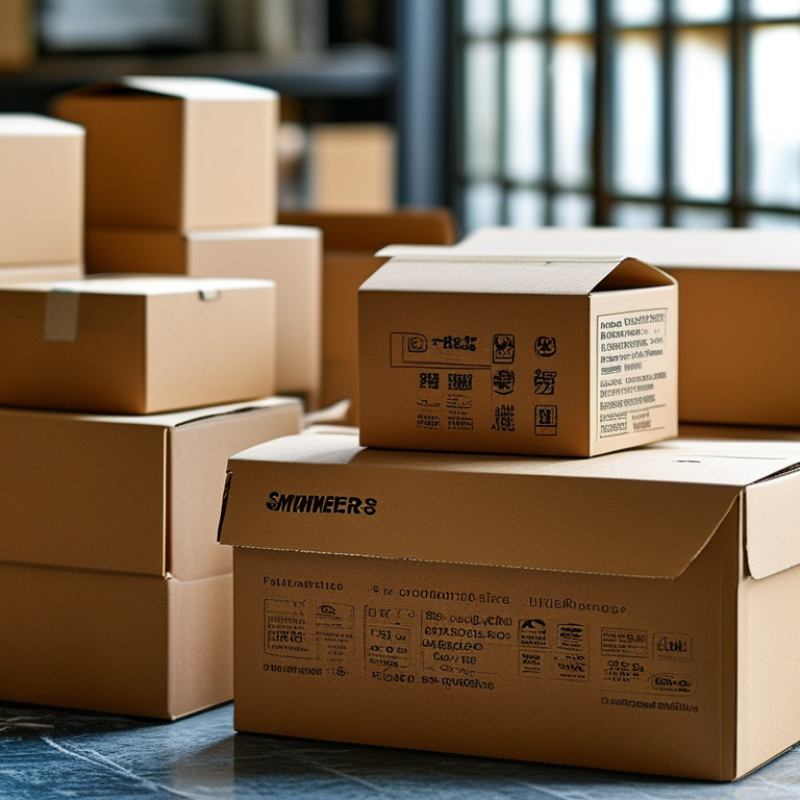
Chinese wholesale suppliers offer many box styles for different products, shipping conditions, and retail displays. Corrugated shipping boxes remain practical for international orders. They use layered paperboard and can include dividers, handles, or reinforced corners. Mailer boxes are lighter and easier to open. They suit clothing, cosmetics, books, and small household items.

Folding cartons provide clean retail presentation. They arrive flat and reduce storage space. Rigid boxes feel more premium because of their thick board and stable structure. Common formats include lid-and-base, drawer, and magnetic-closure boxes. Gift boxes may include foam, paper, or molded-pulp inserts. Kraft boxes offer a simple appearance and often suit natural product packaging.

Details matter. A buyer should request material samples before confirming a large order. Ask for board thickness, inner dimensions, printing limits, and packing methods. Test compression and drop resistance when boxes travel long distances. A low quotation can hide weak paper or oversized shipping cartons. I have found that sample approval prevents many costly misunderstandings.

Suppliers can also adjust box size, finish, inserts, and opening style. However, custom work may increase tooling time and minimum quantities. Check production records, inspection procedures, export experience, and documentation. Clear measurements are essential. Even a small size error can damage the product or waste warehouse space.

Key Manufacturing Regions and Production Capabilities in China

China’s box manufacturing network is regional, specialized, and highly scalable. Guangdong is known for printed folding cartons, luxury rigid boxes, and retail packaging. Shenzhen and Dongguan offer fast sampling, automated cutting, and experienced export teams. Many facilities can manage small custom runs, although minimum quantities still vary by material and finish.

Zhejiang has strong capabilities in corrugated cartons, shipping boxes, paper bags, and protective inserts. Ningbo and nearby industrial areas often support efficient container loading and cost-focused production. Jiangsu is competitive in industrial packaging, molded pulp, and precision paperboard products. Fujian also serves food, footwear, and consumer-goods packaging with flexible printing capacity. Production quality can differ between neighboring factories.

Real purchasing experience shows that machinery alone does not guarantee reliable results. Buyers should inspect paper thickness, compression strength, color consistency, glue lines, and edge protection. A factory should provide pre-production samples and clear quality tolerances. Ask about recycled content, food-contact suitability, ink safety, and destination-market requirements. Documentation matters.

Some suppliers offer offset printing, digital printing, embossing, foil stamping, window patching, and automated packing. These capabilities help create practical boxes, not merely attractive samples. However, complex finishes may increase lead time and defect risk. I have found that simple structures often ship more safely. A second sample review is sometimes worth the delay.

How Global Buyers Can Evaluate Box Quality and Materials

Global buyers should judge boxes by measured performance, not attractive samples. Start with the product’s weight, dimensions, stacking time, and shipping climate. Corrugated boxes need suitable flute profiles and board strength for the load. Ask suppliers for paper grade, GSM, burst strength, and edge crush test values. These figures should match a recent production sample.

Inspect the box in your hands. Its panels should fold cleanly, with sharp creases and even edges. Check whether the seams stay closed after repeated handling. A weak joint can fail before the board does. For heavy goods, request compression testing and a drop test using the final packing method. Test cartons after exposure to humidity, because recycled fibers can lose strength when damp. Packaging should also fit tightly around the product without forcing the flaps.

Material choice affects protection, cost, and environmental claims. Recycled kraft board may reduce virgin fiber use, but its performance can vary by grade and moisture. Virgin paper can offer more consistent strength, though it may not suit every sourcing goal. Request material specifications, test conditions, and batch records. Verify whether certificates apply to the actual box material, not only the factory. A printed sample can hide weak board. It happens often.

Do not approve a large order from one sample alone. Compare samples from different production runs and measure internal dimensions yourself. Small differences can create costly movement during transport. Ask clear questions, record answers, and keep approved samples for inspection. Reliability is built through evidence, not confident promises.

Wholesale Pricing, Minimum Orders, and Customization Options

For global buyers, wholesale box pricing depends on board grade, dimensions, print coverage, and order volume. Smithers’ corrugated packaging research values the global market at more than US$200 billion, with growth expected through 2028. That scale supports competitive factory pricing, but quotations still need careful comparison. A low unit price may exclude tooling, inner packing, freight, or export documentation. Request a complete landed-cost estimate.

Minimum order quantities often begin around 500 to 1,000 units for standard cartons. Custom sizes, die-cut structures, and printed finishes may require 2,000 units or more. These figures are practical industry ranges, not universal rules. Smaller trial orders can carry setup fees. That is reasonable. However, suppliers should explain every charge clearly. Buyers should test compression strength, folding accuracy, color consistency, and carton fit before approving mass production.

Customization can include kraft or white outer paper, single-color or full-color printing, inserts, handles, windows, and moisture-resistant coatings. The Sustainable Packaging Coalition reports that packaging decisions increasingly consider recyclability and material reduction, not appearance alone. I would not treat every “eco” claim as reliable. Ask for material specifications, recycled-content details, and relevant test records. Also confirm tolerances in writing, because a box that looks perfect on screen may arrive slightly different. Small errors become expensive at scale.

China Best Boxes Supplies Wholesale for Global Buyers

Wholesale pricing, minimum orders, and customization benchmarks for commonly sourced packaging formats

Indicative industry planning ranges for standard custom packaging at approximately 1,000 units. Unit prices are shown in USD, while minimum order quantities are displayed in units. Final quotations vary according to dimensions, paperboard grade, printing coverage, finishing, inserts, tooling, shipping terms, and order volume.

Shipping, Compliance, and Supplier Verification for International Orders

China Best Boxes Supplies Wholesale for Global Buyers?

Shipping, Compliance, and Supplier Verification for International Orders

Buying boxes from China can reduce costs, but a low quotation is only the beginning. I have seen international orders change after suppliers measured cartons differently. Request exact length, width, height, board grade, printing method, and packed weight. Ask for carton photos with a ruler beside them. Small size errors can increase freight charges.

Confirm the delivery term, shipment port, production schedule, and responsibility for export documents. Your forwarder should verify the HS code before booking cargo. Check whether the packaging materials meet destination-country requirements, especially for wood, recycled content, labeling, and food-contact use. Keep commercial invoices, packing lists, test reports, and inspection records together.

Supplier verification needs more than a polished website. Request a registered company name, factory address, production photos, and a live video tour. Compare the bank account name with the legal supplier information. Order samples before approving mass production. A pre-shipment inspection can check dimensions, strength, color, moisture, and printing alignment.

Mistakes still happen. I once underestimated storage space because packed cartons were stacked differently than expected. That detail was not dramatic, but it affected the whole delivery plan. Use written specifications, staged payments, and clear acceptance standards. A reliable supplier should answer technical questions directly, accept reasonable inspections, and explain delays before they become shipping problems.


Scroll to Top