Top Shipping Supplies You Need for Global Sourcing?
In today’s competitive market, effective global sourcing is vital. A key factor in this process is the right shipping supplies. They ensure your products arrive safely and on time. Whether you’re a small business or a large corporation, shipping supplies play a critical role in your supply chain.
Using quality shipping materials is essential. Packaging must protect your goods from damage. Furthermore, choosing the right shipping supplies can reduce costs and improve efficiency. For instance, lightweight materials can save on shipping fees. However, businesses often overlook this aspect.
Navigating international shipping can be complex. Customs regulations and varied destination requirements add complexity. Hence, selecting the right shipping supplies can prevent delays. Companies should reassess their choices regularly to avoid potential pitfalls. Being prepared shows professionalism and boosts reliability in global sourcing.
Essential Packing Materials for Secure Shipping
When it comes to secure shipping, choosing the right packing materials is crucial. Essential packing supplies include sturdy boxes, padded envelopes, and cushioning materials. A well-constructed box can withstand the rigors of transport. Using double-walled boxes adds extra protection, especially for fragile items. Padded envelopes are excellent for small, delicate items, ensuring they stay secure.
Cushioning materials like bubble wrap or foam peanuts are indispensable. These materials absorb shock and prevent movement inside the box. It's often tempting to skip this step, but it can lead to costly damages. Remember, using the right amount of cushioning not only protects goods but also reduces the risk of returns or refunds.
Still, many underestimate the importance of proper sealing. Quality tape can make a difference. Ensure that all seams are securely taped. A poorly sealed box can expose items to potential damage. Reflecting on past shipments can help identify areas needing improvement. Being mindful of these details enhances overall shipping reliability.
Choosing the Right Shipping Containers for Global Trade
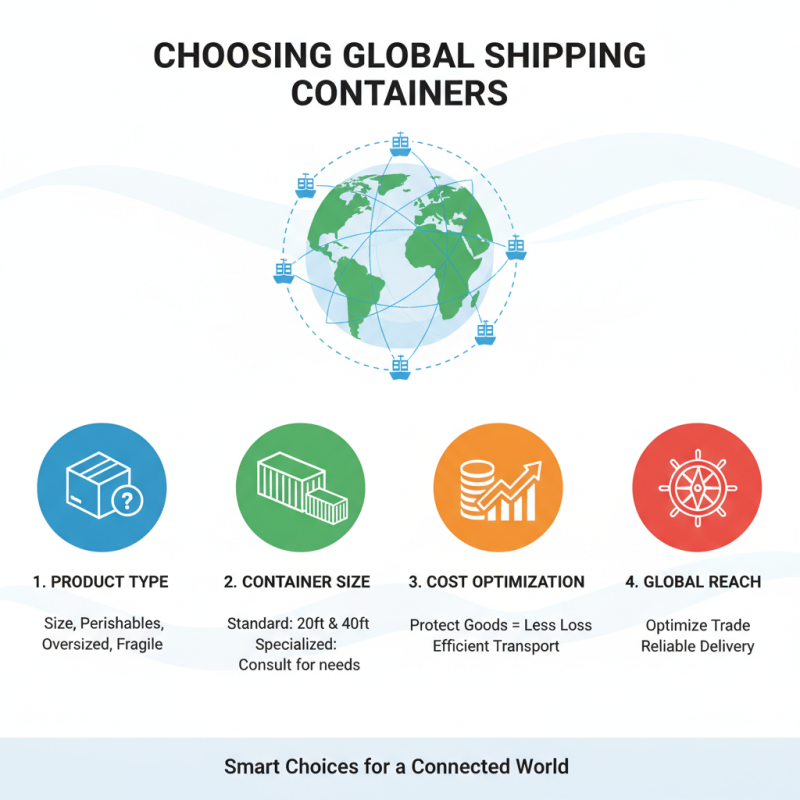
When choosing shipping containers for global trade, several factors come into play. The right container can protect your goods and optimize transportation costs. Consider the size and type of your products. Standard containers measure 20 and 40 feet. But think outside the box; specialized containers exist for perishables, oversized items, and fragile goods.
Tips: Always check container conditions before shipment. Look for signs of wear and tear. A damaged container can compromise cargo safety. Moreover, understanding the trade routes is crucial. Some routes are prone to weather delays.
Another key aspect is documentation. Proper paperwork ensures smooth customs clearance. Missing documents can cause hold-ups at ports. In worst cases, goods could be returned or destroyed. Research local regulations and rules. Stay updated to avoid pitfalls.
Keep these factors in mind to enhance your global sourcing efficiency.
Customs and Documentation Guidelines for International Shipping
International shipping is essential for global sourcing. However, understanding customs and documentation is crucial. According to the World Trade Organization, around 80% of goods traded internationally require proper documentation. Missing paperwork can lead to delays and fines.
Customs forms, commercial invoices, and packing lists are among the primary documents needed. Each document serves a specific purpose, ensuring compliance with trade regulations. Incomplete or incorrect submissions can cause significant setbacks. A report from the International Chamber of Commerce indicates that 25% of containers face delays due to documentation errors.
Additionally, tariffs and duties must be calculated accurately. Misunderstanding these can lead to unexpected costs, affecting profit margins. Some businesses overlook the need for accurate classification of goods and its implications. This can trigger audits that not only drain resources but also impact reputation. Effective training in customs regulations is often neglected yet vital for success.
Top Shipping Supplies for Global Sourcing
Sustainable Shipping Supplies: Eco-Friendly Options
Sustainable shipping supplies are crucial for global sourcing. Businesses aim for eco-friendly options to reduce their carbon footprint. According to a recent report, over 70% of consumers prefer brands that use sustainable packaging. This shift underscores the importance of using biodegradable materials in shipping.
Several options stand out. Recycled paper padding, for example, offers protection while minimizing waste. Many companies are also using biodegradable stretch films. These materials can break down in landfills, unlike traditional plastics that linger for centuries. Additionally, using reusable shipping containers is gaining momentum. They not only reduce waste but also cut shipping costs over time.
However, the transition to sustainable supplies isn’t always smooth. Some businesses face challenges in sourcing these materials due to higher costs. The price for sustainable options can be up to 30% more than conventional materials. This raises questions about affordability and scalability for small businesses. Continuous investment in research and development is critical to finding cost-effective alternatives. Balancing sustainability while maintaining budget constraints requires careful planning and commitment.
Top Shipping Supplies You Need for Global Sourcing? - Sustainable Shipping Supplies: Eco-Friendly Options
| Sustainable Shipping Supply |
Description |
Material Type |
Recyclability |
Purpose |
| Biodegradable Packaging Peanuts |
Void fill for protecting fragile items |
Cornstarch based |
Yes |
Packaging |
| Recycled Cardboard Boxes |
Durable and recyclable boxes for shipping |
Recycled paper |
Yes |
Shipping |
| Eco-Friendly Tape |
Strong adhesive tape made from recycled materials |
Paper |
Yes |
Sealing |
| Sustainable Bubble Wrap |
Protective wrapping made from recycled materials |
Recycled plastic |
Yes |
Cushioning |
| Compostable Mailers |
Shipping bags that break down naturally |
Plant-based materials |
Yes |
Shipping |
Cost-Effective Shipping Solutions for Global Sourcing
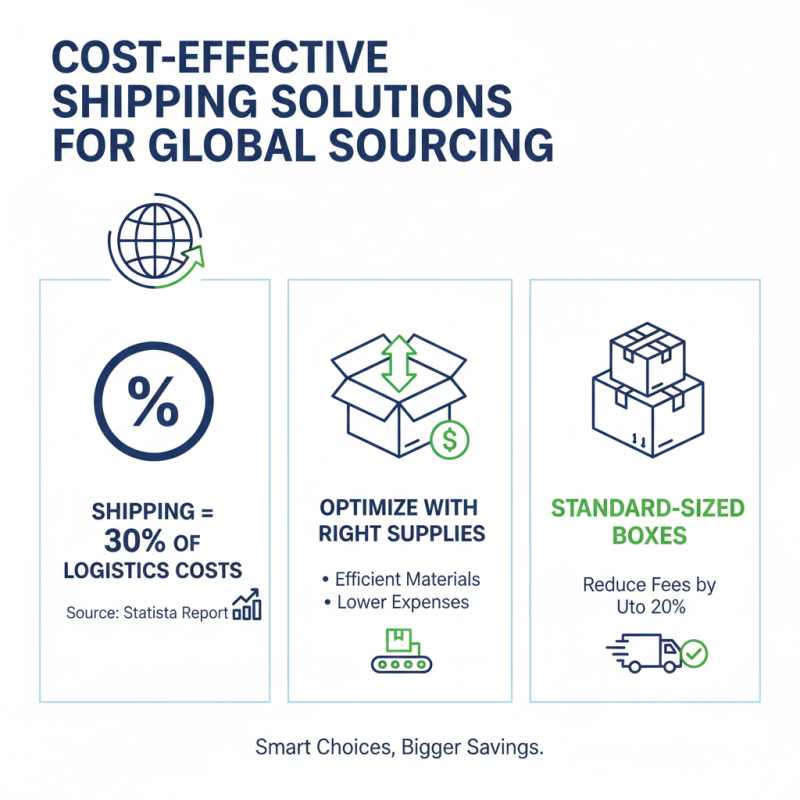
When it comes to global sourcing, cost-effective shipping is crucial. According to a report from Statista, shipping costs account for about 30% of the total logistics expenses. This emphasizes the need for efficient shipping supplies. Using the right materials can significantly lower costs. For instance, companies that use standard-sized boxes can reduce shipping fees by up to 20%.
Packaging plays a vital role in protecting goods. Bubble wrap and foam inserts can prevent damage during transit. A recent survey showed that 57% of shippers faced product damage due to inadequate packaging. This not only costs money but also affects customer satisfaction. Investing in quality shipping supplies can mitigate these risks and improve overall service.
Additionally, choosing environmentally friendly options can attract more customers. According to the EPA, sustainable packaging can save businesses up to 25% on materials costs. However, it can be challenging to strike a balance between eco-friendliness and cost-effectiveness. Shippers must continually assess their shipping strategies to ensure they meet both financial and ethical standards.