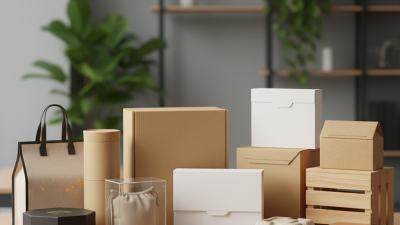
Top 10 Types of Packaging Boxes You Should Consider for Your Products?

In the competitive world of retail, choosing the right packaging boxes for your products is crucial. Industry expert Sarah Thompson emphasizes, "The first impression starts with packaging." Her words reflect the importance of effective packaging in attracting customers.

With various types of packaging boxes available, each offers unique benefits. For example, eco-friendly options appeal to environmentally conscious consumers. Meanwhile, custom designs can highlight brand identity. Although bundling products in standard boxes may seem cost-effective, it can hinder brand recognition. It’s essential to carefully consider the choices available and their impact on sales.

In an age where sustainability matters, finding the right balance can be challenging. Packaging boxes should not only protect products but also tell a story. Achieving this balance requires creativity and thoughtful decision-making. Engaging packaging can capture attention but may lead to higher costs. As brands navigate these challenges, reflecting on packaging strategies is vital for success.
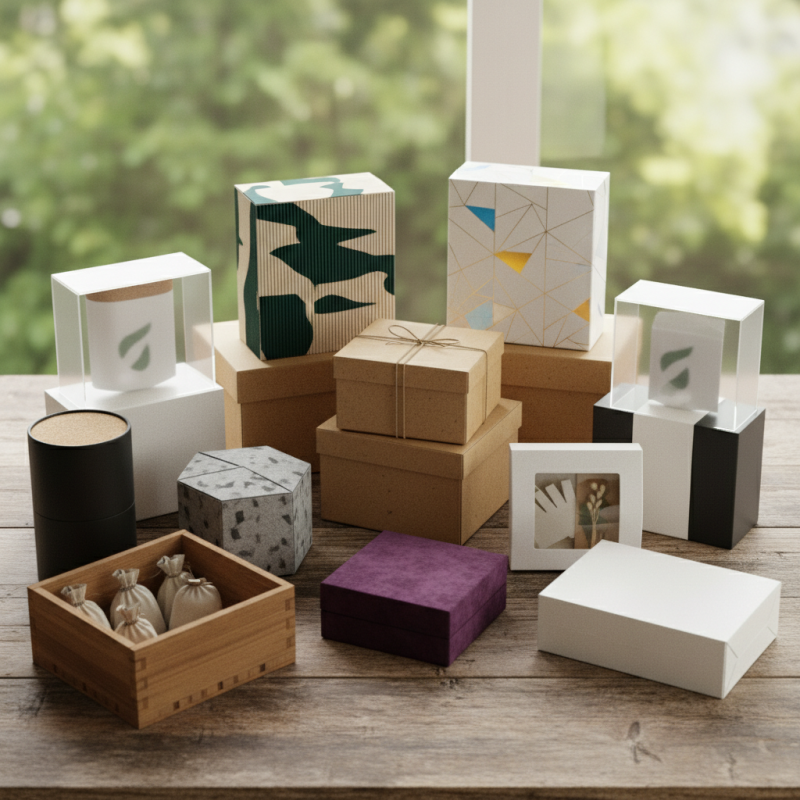
Top 10 Types of Packaging Boxes You Should Consider for Your Products?

Types of Packaging Boxes: An Overview of Material Options and Their Benefits

When choosing packaging boxes, material options play a critical role. The right choice impacts product safety and consumer perception. Cardboard boxes are popular due to their versatility and recyclability. A recent study shows that 74% of consumers prefer sustainable packaging. This makes cardboard an excellent option for eco-conscious brands.

Plastic packaging offers durability but poses environmental concerns. A study found that over 300 million tons of plastic are produced annually, and only 9% gets recycled. Brands should weigh the benefits against environmental impact. Consider using biodegradable or compostable alternatives. These options can enhance brand image while supporting sustainability.

Tip: Use minimal packaging. Excessive box sizes can lead to damaged products and increased shipping costs.

Another option is metal cans, which provide excellent protection and are recyclable. They can extend shelf life and preserve product integrity. However, they may not be suitable for all items. Evaluate your product's needs to choose wisely.

Tip: Test various materials for specific products. Not every item requires the same packaging. Balancing function and sustainability can lead to better decisions.
Top 10 Types of Packaging Boxes and Their Benefits

This chart displays the types of packaging boxes commonly used for products, along with their benefits. Each type of packaging serves unique purposes based on material, cost, durability, and suitability for various products.

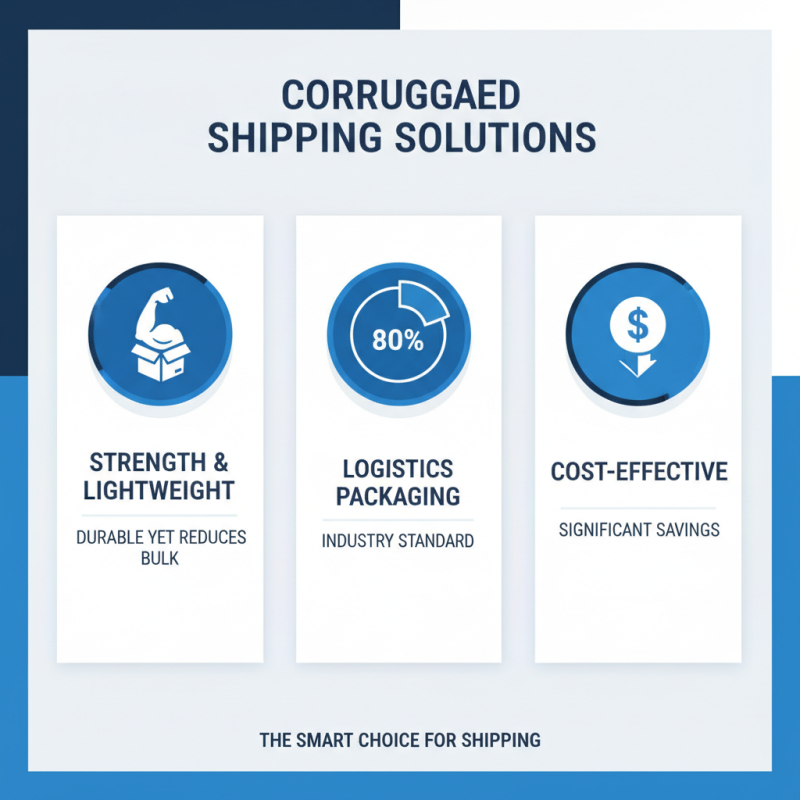
Corrugated Boxes: Strong, Lightweight, and Cost-Effective Solutions for Shipping

Top 10 Types of Packaging Boxes You Should Consider for Your Products?

When it comes to shipping, corrugated boxes stand out. They offer strength without excessive weight. According to industry data, 80% of packaging materials used in logistics are made of corrugated board. This material has proven to be cost-effective, reducing shipping costs significantly.

Corrugated boxes provide protection for goods. They are designed to withstand stacking during transport. A recent study found that these boxes reduce product damage during shipment by 25%. This protection is crucial for maintaining customer satisfaction. Customers expect their packages to arrive intact.

Tips: Choose the right thickness for your corrugated boxes. Thicker boxes are sturdier but can increase shipping costs. Aim for a balance between strength and cost. Also, consider using recycled materials. This decision can lower costs and appeal to environmentally-conscious buyers.

Keep in mind that not all corrugated boxes are alike. Performance varies with quality and design. It's essential to select the right box for specific products. Reflect on your current packaging. Are you using the best option for your needs?

Rigid Boxes: Premium Packaging for High-Value Products and Luxury Branding

Rigid boxes stand out as premium packaging for high-value products. Their sturdy design offers excellent protection, making them ideal for luxury items. Consider how a well-crafted rigid box can elevate the unboxing experience. The tactile nature of these boxes provides a sense of quality that reflects on your brand.

Tips: Focus on the materials. Use high-quality cardstock or even sustainable options. This enhances both durability and aesthetic appeal. A smooth finish can make a significant impact. Adding details like gold foil stamping or embossing creates a luxurious feel.

Such boxes also allow unique shapes and designs. This flexibility can help your product stand out on shelves. However, remember that intricate designs might increase costs. It’s essential to balance creativity with your budget. Think about how you can differentiate while maintaining practicality. Your packaging should tell a story about your brand and product, even if it’s not perfect. The goal is to resonate with your audience authentically.

Top 10 Types of Packaging Boxes You Should Consider for Your Products

Type of Packaging Box Material Best For Price Range
Rigid Boxes Chipboard, Paperboard High-value luxury products $2.00 - $10.00 each
Folding Cartons Cardboard Retail products $0.50 - $2.00 each
Sleeve Boxes Paperboard Cosmetics, electronics $1.00 - $4.00 each
Burgundy Boxes Paper, Cardstock Gift items $1.50 - $5.00 each
Kraft Boxes Kraft paper Eco-friendly products $0.80 - $3.00 each
Custom Printed Boxes Various Brand promotional items $1.00 - $8.00 each
Pizza Boxes Corrugated cardboard Food products $0.30 - $1.00 each
Gift Boxes Cardboard, Paper Gift items $1.00 - $4.00 each
Mailer Boxes Corrugated cardboard E-commerce shipping $0.75 - $3.00 each

Folding Cartons: Versatile Design for Retail and E-commerce Packaging Needs

Folding cartons are popular in retail and e-commerce. Their design is versatile and adaptable. They can hold a variety of products, from food items to cosmetics. The layout can be customized to meet specific branding needs. Printing can be done in vibrant colors for maximum appeal.


Tips: Consider using eco-friendly materials. Customers appreciate sustainability. Also, think about various styles. A unique shape can make your product stand out. Remember, practicality matters too. The box must protect the contents during shipping.


The folding carton can be easy to assemble. However, they may not always be durable. Buyers should test the strength to prevent damage. Low-quality paper could lead to product harm. It is essential to balance cost and quality. Designing packaging may require revisions. Feedback from customers can unveil new ideas for improvement.

Eco-Friendly Packaging: Sustainable Options Growing in Demand Among Consumers

Top 10 Types of Packaging Boxes You Should Consider for Your Products?

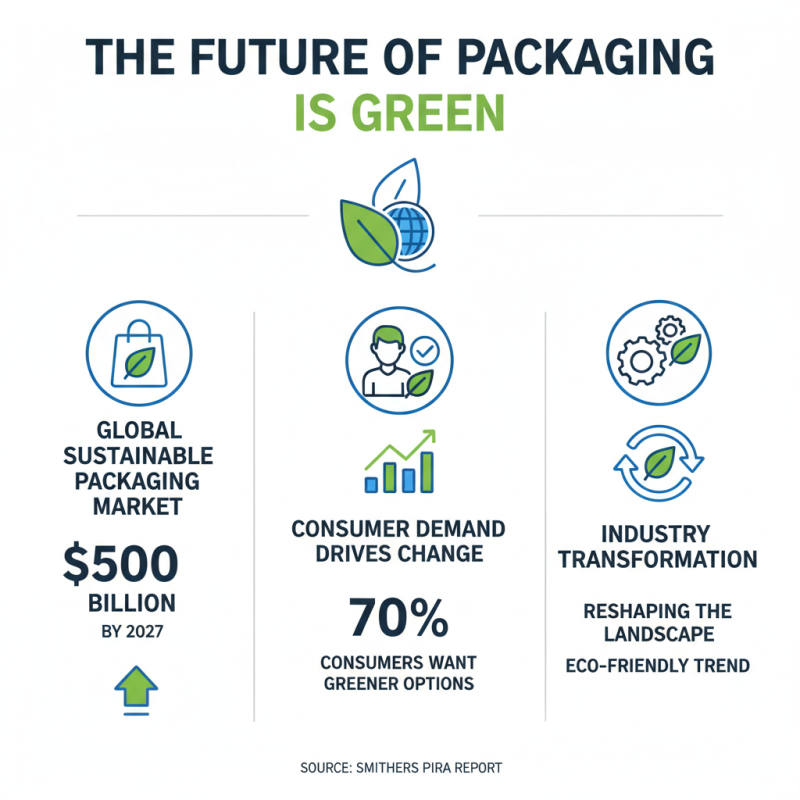
Eco-friendly packaging is a growing trend in the industry. A report by Smithers Pira states that the global market for sustainable packaging will reach $500 billion by 2027. Consumers are demanding greener options for their products. In fact, 70% of consumers want brands to use sustainable packaging. This shift is reshaping the entire packaging landscape.

Many brands are exploring biodegradable materials. These materials can break down naturally, reducing landfill waste. For instance, plant-based plastics and recycled paper are becoming popular choices. But not all eco-friendly options are truly sustainable. Some still involve high carbon emissions in production. This raises questions about the true impact of these materials.

The challenge lies in balancing functionality and sustainability. Packaging must protect products effectively while being good for the planet. Packaging producers are also under pressure to innovate. Developing reusable and recyclable solutions is crucial. Yet, the market remains saturated with traditional options that do not align with eco-friendly goals. Businesses must reflect on their packaging strategies to meet consumer expectations while staying viable in their operations.

Scroll to Top