Top Packaging Materials for Sustainable and Efficient Shipping Solutions?
In the evolving landscape of global commerce, sustainable shipping practices are more critical than ever. The choice of packaging materials plays a significant role in reducing environmental impact. According to a recent report by Grand View Research, the global green packaging market is anticipated to reach $650 billion by 2027, underscoring the growing demand for eco-friendly solutions.
Experts highlight the significance of innovative packaging materials. "Sustainable packaging is no longer an option but a necessity,” says Dr. Emily Chen, a leading authority in sustainable materials. Her insights reflect a shift in consumer expectations, demanding accountability from brands. Companies that invest in sustainable packaging are likely to enhance their brand loyalty and customer retention.
However, the transition to sustainable materials is not without challenges. Some businesses struggle with balancing cost and sustainability. Many still rely on traditional materials that may be less environmentally friendly. It’s a complex dilemma that requires careful consideration. The future of packaging materials will depend on continuous innovation and a commitment to reducing waste in supply chains.

Top Sustainable Materials for Eco-Friendly Packaging Solutions
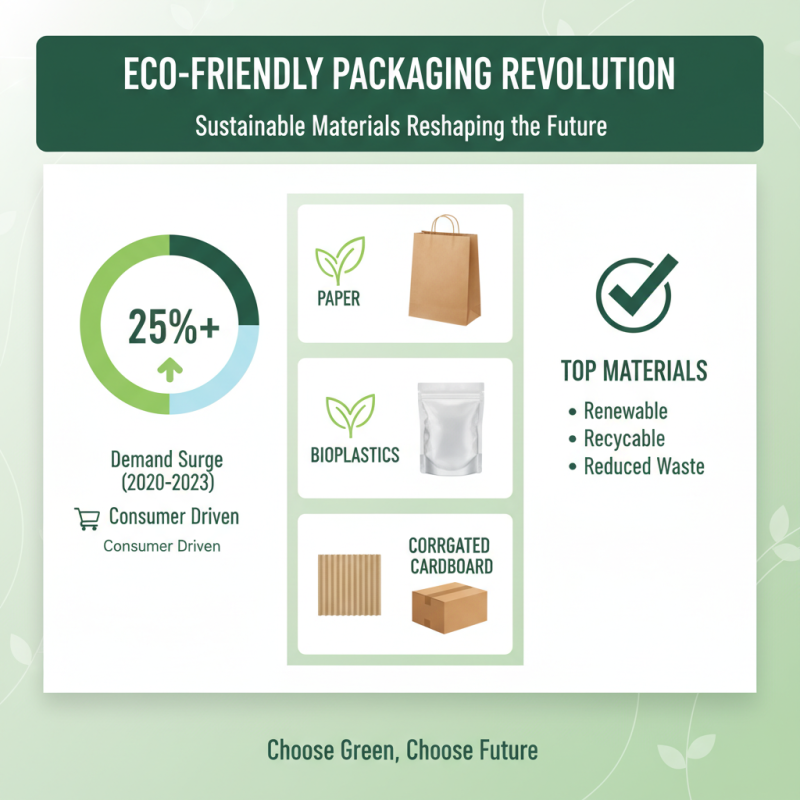
When it comes to eco-friendly packaging, materials play a crucial role. Industry reports indicate that the demand for sustainable packaging has surged by over 25% in recent years, driven by consumer preferences. Consumers are actively seeking brands that prioritize greener choices. Paper, bioplastics, and corrugated cardboard are among the top materials reshaping the packaging landscape.
One interesting material is mushroom packaging. It's made from agricultural waste and mycelium. This completely biodegradable option breaks down in weeks. Additionally, recycled paper remains a favorite, as it helps reduce deforestation. However, it's essential to ensure that recycled products are sourced responsibly. Many companies struggle with transparency in their supply chains.
Tips for sustainable packaging: Use the right materials for your needs. Reduce waste by optimizing package sizes. Ensure proper labeling to encourage recycling. Consider life cycle assessments to understand the impact of your choices. Recycling rates for different materials can vary significantly; make informed decisions to improve the overall sustainability of your packaging. Embracing eco-friendly materials isn't just a trend—it's a necessity we all must consider.
Innovative Packaging Designs for Efficient Shipping Practices
Innovative packaging designs are essential for modern shipping practices. They offer efficient, sustainable solutions that reduce waste. According to a report by Smithers Pira, the global sustainable packaging market will reach $500 billion by 2025. This shift shows that companies are prioritizing eco-friendly materials.
Using biodegradable or recyclable packaging reduces environmental impact. Flexible packaging is another innovative option. It requires fewer materials and is lighter to transport. Data indicates that lightweight packaging can cut shipping costs by up to 30%. However, not all companies are adopting these methods yet. Many still rely on traditional materials that harm the planet.
Tips for improving packaging include prioritizing design efficiency. Make sure packaging fits the product closely. This minimizes unused space. Also, consider dual-purpose packaging that can be reused. It not only reduces waste but also enhances customer experience. Reflect on your current practices; are they as efficient as they could be?
Comparative Analysis of Traditional vs. Sustainable Packaging Materials
Packaging materials play a crucial role in shipping solutions. Traditional materials, like plastic and Styrofoam, are widely used. They are lightweight and inexpensive. However, they generate massive waste. Much of this waste ends up in landfills and oceans. This creates long-term environmental issues.
In contrast, sustainable packaging materials are gaining traction. Biodegradable options, such as cornstarch and mushroom-based materials, offer an eco-friendly alternative. These materials break down naturally, reducing landfill contributions. However, their performance needs improvement. They can be more expensive and less protective than traditional materials.
There's a trade-off between cost and sustainability. Businesses often struggle to find the right balance. Many are hesitant to shift entirely to sustainable options. The infrastructure for recycling and composting is still developing. Awareness is growing, but many challenges remain. It's clear that the journey towards completely sustainable shipping solutions is not straightforward.
Top Packaging Materials for Sustainable and Efficient Shipping Solutions
This chart compares the environmental impact and efficiency of various traditional and sustainable packaging materials used in shipping solutions. The data reflects average values on a scale of 1 to 10, where 1 indicates low sustainability or efficiency and 10 indicates high sustainability or efficiency.
The Role of Recyclable and Compostable Materials in Shipping
In recent years, the shipping industry has faced growing scrutiny regarding its environmental impact. Recyclable and compostable materials have emerged as crucial players in this shift. They help reduce waste and promote sustainability. Paper, cardboard, and certain bioplastics are gaining popularity. These materials minimize reliance on single-use plastics.
Yet, challenges remain. The effectiveness of recycling systems varies globally, leading to inefficiencies. Not all recyclable materials are accepted everywhere. Compostable materials also face questions regarding industrial composting facilities. Many consumers still lack awareness of proper disposal methods. Misunderstanding can undermine sustainability efforts.
We must address these gaps in knowledge. Education on the benefits of recycling and composting is essential. Businesses should provide clearer guidance on material usage. Encouraging responsible disposal can further streamline the process. As the industry evolves, we must strive for more accessible, eco-friendly options in shipping.
Top Packaging Materials for Sustainable and Efficient Shipping Solutions
| Material Type |
Sustainability Rating |
Compostable |
Recyclable |
Applications |
| Kraft Paper |
High |
Yes |
Yes |
Boxes, wrapping |
| Biodegradable Plastics |
Medium |
Yes |
No |
Bags, padded mailers |
| Recycled Cardboard |
High |
Yes |
Yes |
Shipping boxes, inserts |
| Mushroom Packaging |
Very High |
Yes |
No |
Protective packaging |
| Corn Starch Foam |
High |
Yes |
No |
Protective packaging |
Future Trends in Sustainable Packaging for Global Logistics
Sustainable packaging is the future of global logistics. Companies are realizing the impact of their choices on the environment. Packaging materials like bioplastics and recycled cardboard offer eco-friendly options. These materials reduce waste and conserve resources.
Tips: Always consider the source of materials. Look for suppliers that prioritize sustainability. Explore local options to minimize transportation emissions.
Innovations are emerging constantly. Edible packaging is one such trend. It might sound strange, but it can replace traditional materials. However, the practical use is still in development. There are challenges related to shelf life and transportation.
Tips: Test new packaging in small batches first. This way, adjustments can be made if necessary. Collect feedback from customers to improve designs.
Sustainable logistics requires transparency. Businesses should not just claim to be green. They must show their practices. Customers value authenticity more than ever. It's not just about the packaging; it’s also about the story behind it.