2026 Top Packaging Machine Trends You Should Know?
In the ever-evolving landscape of manufacturing, 2026 promises to unveil exciting trends in packaging machines. These machines play a crucial role in how products reach consumers. As companies strive for sustainability, efficiency, and innovation, packaging machines are adapting to these demands.
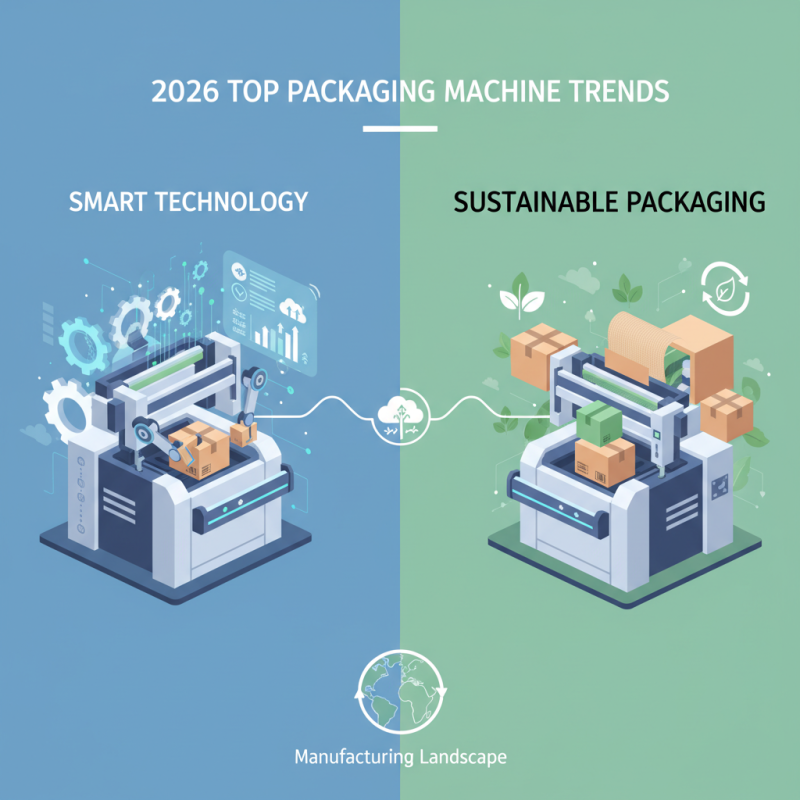
One key trend is the integration of smart technology. Packaging machines now feature advanced automation and IoT capabilities. This transformation allows for real-time monitoring and data collection. However, adopting such technology can be challenging. Companies need to weigh both costs and benefits carefully.
Another notable trend is sustainable packaging. As environmental concerns rise, packaging machines are being designed with eco-friendly materials in mind. Businesses are pushing for solutions that reduce waste. Yet, creating a balance between sustainability and cost-effectiveness remains a hurdle for many. The path forward requires brands to remain agile and open to change.
Emerging Technologies in Packaging Machines for 2026
Emerging technologies are set to reshape the packaging machine landscape by 2026. A prediction by Smithers indicates that the global packaging machinery market will reach approximately $55 billion. This growth reflects a push for efficiency and sustainability in production processes. Companies are investing heavily in automation, with automated systems aiming to reduce labor costs and minimize human error.
One of the standout trends is the rise of smart packaging machines. These machines incorporate IoT technology to monitor production in real-time. According to a report from MarketsandMarkets, the smart packaging market is projected to grow at a rate of 8% annually, indicating a keen interest in data-driven insights. However, this technology is not without challenges. Integration issues and high initial costs can deter smaller firms, making it a potential area for further reflection.
Sustainability is another driving factor in packaging machine innovations. There is an increasing demand for eco-friendly materials and processes. A study by Grand View Research found that biodegradable packaging is expected to gain significant traction. Yet, while many companies are shifting towards greener practices, some struggles remain. Adapting existing machines for new materials can be complex, and not all manufacturers are prepared for this transition.
Sustainability Trends in Packaging Solutions for the Future
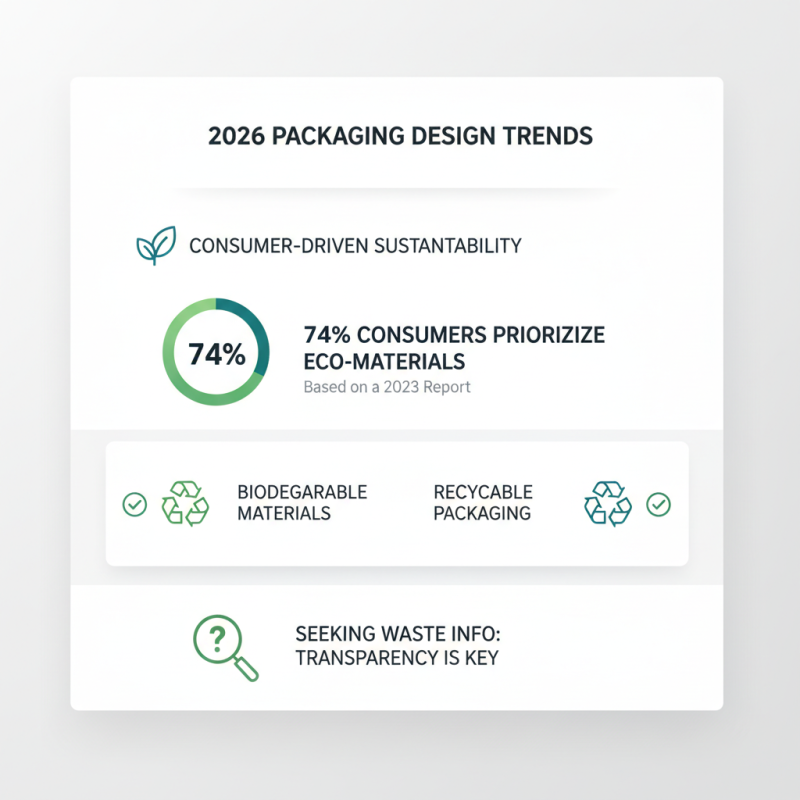
Sustainability is shaping the future of packaging solutions. According to recent industry reports, 74% of consumers prefer sustainable packaging. This trend is pushing companies to reflect on their materials and methods. Biodegradable and recyclable materials are gaining traction. The demand for eco-friendly packaging is growing at an annual rate of 5.6%.
Many companies struggle to keep up with this shift. They face challenges in sourcing materials and adapting production processes. Redesigning products for sustainability is not a simple task. However, brands that prioritize sustainable practices often find a loyal customer base.
Tip: Evaluate your current packaging materials. Transitioning to plant-based options can be beneficial. Engage with suppliers who share your sustainability goals.
Another area to consider is reducing packaging waste. Smaller, more efficient designs can minimize excess material. Reports show that effective packaging design can reduce waste by up to 30%. This approach not only aids the environment but can also lower shipping costs.
Tip: Assess your designs for efficiency. Revisit your packaging practices regularly. Continuous improvement is key to sustainability.
Automation and Robotics Integration in Packaging Equipment
The integration of automation and robotics into packaging equipment is a significant trend shaping the industry. In 2022, reports indicated that over 50% of packaging companies were investing in automation technologies to enhance efficiency. Automated systems and robotics streamline processes, reducing labor costs and minimizing human error. This trend is projected to grow, with the market for packaging robotics expected to reach $7.5 billion by 2025.
However, the shift to automated systems isn't without challenges. Many companies struggle with the high upfront costs associated with these technologies. Additionally, integration can be complex, requiring skilled labor to manage and maintain robotic systems. The workforce may also resist these changes, leading to a gap in talent. As businesses embrace automation, they must consider ongoing training and adaptation for their employees.
Companies must also pay attention to sustainability concerns. Automated systems can lead to increased waste if not managed properly. Balancing automation with eco-friendly practices is essential for long-term success. Packaging machines need continuous evaluation and refinement to ensure they meet environmental standards. This reflects a growing need for companies to rethink their automation strategies in a holistic manner.
2026 Top Packaging Machine Trends You Should Know
| Trend |
Description |
Impact on Industry |
Predicted Adoption Rate (%) |
| Automation Integration |
Incorporating automated processes to enhance efficiency and reduce labor costs. |
Increased productivity and reduced operational costs. |
75% |
| Robotics in Packaging |
Utilizing robotic arms for tasks like sorting, packing, and palletizing. |
Improved accuracy and reduced injury risks for workers. |
70% |
| Smart Packaging |
Packaging that incorporates smart technology for monitoring and tracking. |
Enhanced traceability and consumer engagement. |
65% |
| Sustainability Practices |
Adopting eco-friendly materials and processes in packaging. |
Meets consumer demands for sustainable practices. |
80% |
| AI and Machine Learning |
Implementing AI to optimize packing processes and inventory management. |
Increased efficiency and decision-making capabilities. |
68% |
Smart Packaging Innovations and Their Impact on Efficiency
Smart packaging innovations are revolutionizing the industry. Reports indicate that smart packaging can reduce waste by 30% through advanced tracking systems. These systems ensure that products remain in optimal condition throughout their journey. The integration of IoT technology allows for real-time monitoring, enhancing efficiency and minimizing losses.
Tip: Consider incorporating QR codes into your packaging. This innovation allows customers to access product information easily. It also engages consumers by providing interactive experiences.
Adoption of eco-friendly materials is another trend. Studies suggest that 65% of consumers prefer sustainable packaging. This shift encourages companies to innovate continuously. Smart packaging solutions should not only focus on efficiency but also on environmental impact.
Tip: Evaluate your supply chain regularly. Identify areas where smart packaging can cut costs and improve sustainability. This practice fosters ongoing improvement and aligns with consumer expectations.
2026 Top Packaging Machine Trends
This bar chart illustrates the impact levels of various trends in the packaging machine industry as projected for 2026. Key trends include Automation and Smart Technology, both rated highly for their efficiency, while Sustainable practices remain crucial as well.