Top 10 Industrial Paper Types You Should Know?
Industrial paper plays a crucial role in various sectors. It serves diverse purposes, from packaging to insulation. This specialized paper is tailored to meet specific industry needs. Understanding the different types can enhance your operations.
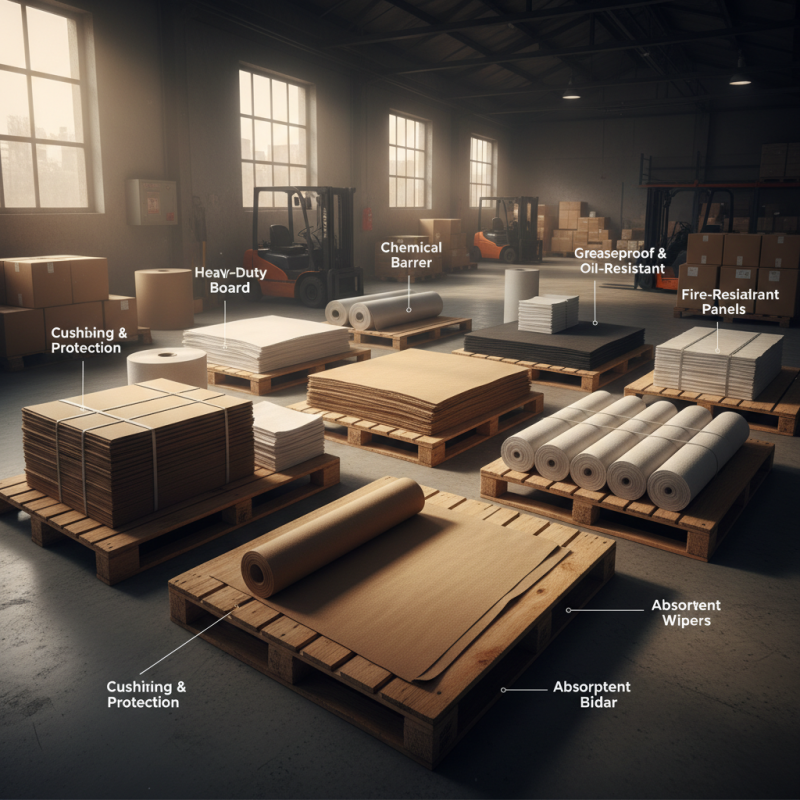
There are many types of industrial paper available today. Each type has unique features and applications. For example, some papers are designed for durability and strength, making them ideal for shipping. Others might focus on absorbency or resistance to chemicals, which is essential in manufacturing.
Choosing the right industrial paper can be challenging. You may feel overwhelmed by the options. However, knowing the top ten types can guide your decisions. It can streamline your workflow and improve efficiency. Ultimately, the right choice is essential to meet your business goals.
Understanding Industrial Paper: A Comprehensive Overview
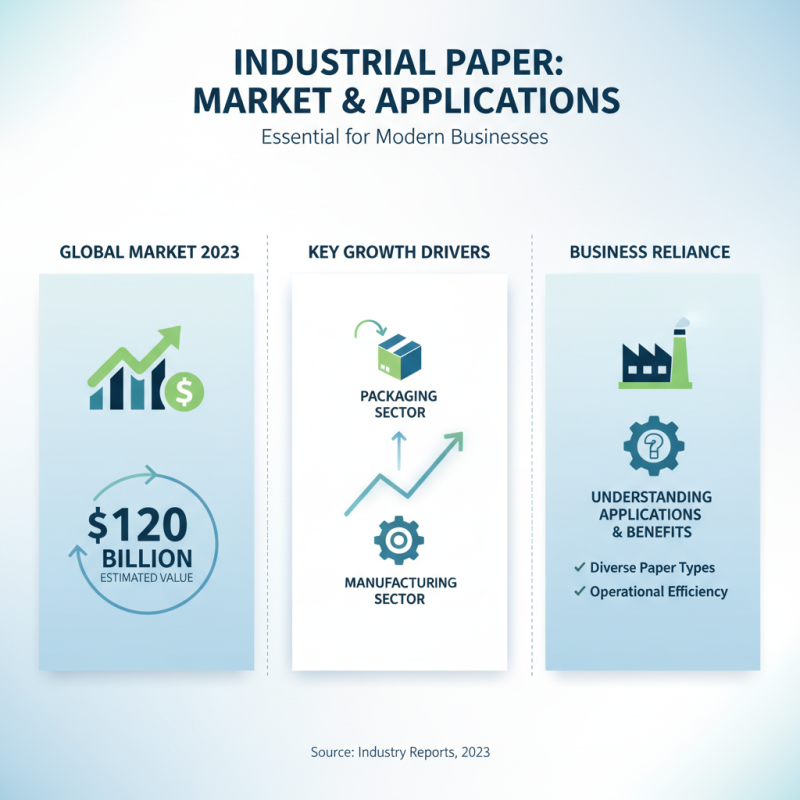
Understanding industrial paper is essential for many businesses today. The global industrial paper market was valued at an estimated $120 billion in 2023, according to industry reports. This figure represents a significant growth, driven by increasing demand in packaging and manufacturing sectors. Many companies rely heavily on various paper types for their operations, yet not all fully comprehend their specific applications and benefits.
The most commonly used types include kraft paper, bond paper, and coated paper. Kraft paper, for instance, is favored for its strength and durability. It's widely used in packaging and shipping. Bond paper is prevalent in office settings. It's versatile, yet often underappreciated for its role in quality printing. Coated paper, on the other hand, offers a smooth finish, ideal for high-quality images. However, the misconception persists that all paper types serve the same purpose. This has led to inefficiencies and unnecessary costs for many businesses.
Not all industries evaluate their paper consumption critically. Some may overlook the environmental impact of specific papers. The shift towards sustainable options is necessary. Failing to adapt may result in negative repercussions, both financially and environmentally. An industry-wide reflection on paper use is essential. Understanding the right type of paper can drastically improve efficiency and promote sustainability.
Common Types of Industrial Paper and Their Key Characteristics
Industrial paper is essential in many sectors. Understanding its types helps in making informed choices. There are various kinds, each with unique characteristics.
For instance, kraft paper is known for its strength. It is unbleached and durable, perfect for packaging. It can handle heavy loads without tearing.
Then there’s coated paper, which has a smooth finish. It’s often used for printing high-quality images. The coating enhances color depth, making it appealing for marketing materials.
Recycling is a crucial aspect of industrial paper. Many types can be reused, but the quality varies. Some may not hold up in multiple uses. This raises questions about sustainability. How often can we recycle before it loses quality?
Exploring these characteristics helps us understand paper’s role better in industry.
Applications of Various Industrial Paper Types in Different Industries
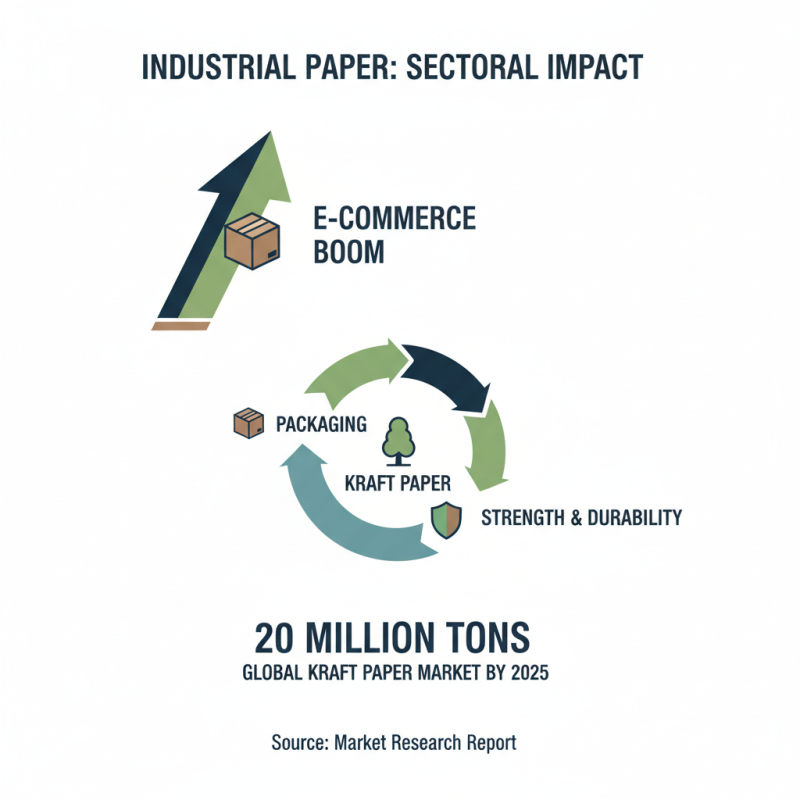
Industrial paper types play a crucial role in various sectors. In packaging, kraft paper is widely used due to its strength and durability. According to a market research report, the global kraft paper market is projected to reach 20 million tons by 2025. This demand stems from the rise of e-commerce, where sturdy packaging is vital.
Printing papers serve another important function, particularly in the publishing industry. Coated papers, known for their smooth finish, account for around 30% of total printing paper consumption. These papers enhance image quality and are essential for magazines and brochures. The challenge lies in balancing printing quality with sustainability.
Specialty papers, though less common, have niche applications. Some are crafted for medical uses, such as sterilization wraps, while others cater to the automotive industry, providing durability and resistance to chemicals. The specialty paper market is forecasted to grow at a rate of 4% annually. However, manufacturers face hurdles, such as high production costs and the need for constant innovation. Each paper type has distinct characteristics, requiring industries to choose wisely.
Factors to Consider When Choosing Industrial Paper for Your Needs
When choosing industrial paper, several factors come into play. The intended use is paramount. Different applications require distinct paper types. For instance, packaging often demands durability. In contrast, forms and invoices might prioritize print clarity. Industry reports indicate that around 30% of production costs stem from material choices. This emphasizes the need for careful selection.
Paper weight is another critical factor. Heavier papers are sturdier but more expensive. Lighter options may be cost-effective but could compromise quality. According to research, businesses can save 15% by choosing the right weight for their needs. A balance is essential. You may need to experiment before finding the perfect fit.
Consider environmental impacts too. Many companies now focus on sustainability. Recycled papers help reduce waste but may not always meet durability standards. It’s vital to assess how much usage and storage your projects require.
**Tips:** Test out different samples. Engage with suppliers about their products. Don't rush your decision. Investigate both cost-effectiveness and end-use. It’s wise to reflect on the long-term consequences of your choices.
Top 10 Industrial Paper Types You Should Know
| Paper Type |
Weight (g/m²) |
Applications |
Characteristics |
| Kraft Paper |
70 - 120 |
Packaging, Bags |
Strong, Tear-resistant |
| Cardboard |
200 - 500 |
Boxes, Displays |
Durable, Rigid |
| Newsprint |
40 - 60 |
Newspapers, Magazines |
Lightweight, Absorbent |
| Coated Paper |
100 - 300 |
Brochures, Posters |
Smooth, High Print Quality |
| Specialty Paper |
80 - 300 |
Arts, Crafts |
Varied Textures, Colors |
| Writing Paper |
70 - 120 |
Notebooks, Letters |
Smooth, Suitable for Writing |
| Tissue Paper |
10 - 30 |
Wrapping, Cleaning |
Soft, Lightweight |
| Sustainable Paper |
70 - 300 |
Eco-friendly Products |
Recycled Materials |
| Bond Paper |
70 - 120 |
Office Documents |
Good Print Quality, Versatile |
| Wrapping Paper |
60 - 120 |
Gift Wrapping, Packaging |
Variety of Designs, Flexible |
Future Trends in Industrial Paper Manufacturing and Usage
The industrial paper sector is evolving rapidly. A recent report from Smithers shows that the global demand for sustainable paper solutions is increasing. In fact, it’s projected to reach nearly $270 billion by 2025. This demand impacts production methods and material choices significantly. Manufacturers are focusing on recycling and eco-friendly materials.
One trend gaining traction is digital printing technology. This method decreases waste and allows for shorter production runs. According to the Paper and Paperboard Packaging Environmental Council, about 80% of companies are investing in digital capabilities. However, not all manufacturers are adapting swiftly. Some still rely heavily on traditional processes, which could limit their growth.
Another notable trend is the rise of specialty papers. These are used in packaging, labels, and other applications. The market for specialty papers is expected to grow at a rate of 4.5% annually. Yet, challenges remain. Sourcing high-quality raw materials can be inconsistent. Many companies struggle to balance demand with availability. This creates uncertainty in production schedules and costs.
Top 10 Industrial Paper Types to Know
This chart illustrates the top 10 types of industrial paper along with their estimated usage in million tons. As the demand for sustainable and recyclable materials grows, understanding these paper types is crucial for industries and consumers alike.