How to Select the Best Protective Packaging for Your Products?
Selecting the best protective packaging is crucial for product safety. The right protective packaging can significantly reduce damage during transit. According to a recent report by Smithers Pira, nearly 40% of products are damaged during shipment. This statistic highlights the importance of choosing suitable materials for packaging.
Industry expert Jane Thompson states, “Protective packaging saves companies money and enhances customer satisfaction.” Different products require different protective solutions. For instance, fragile items often need cushioning materials, while electronics require static protection. Companies must evaluate their products carefully to select the appropriate type.
Many businesses overlook the potential savings from effective protective packaging. Improper choices can lead to increased returns and frustrated customers. Investing time in understanding protective packaging options can yield significant benefits. Manufacturers must continuously reflect on their packaging strategies to remain competitive and ensure reliable delivery.
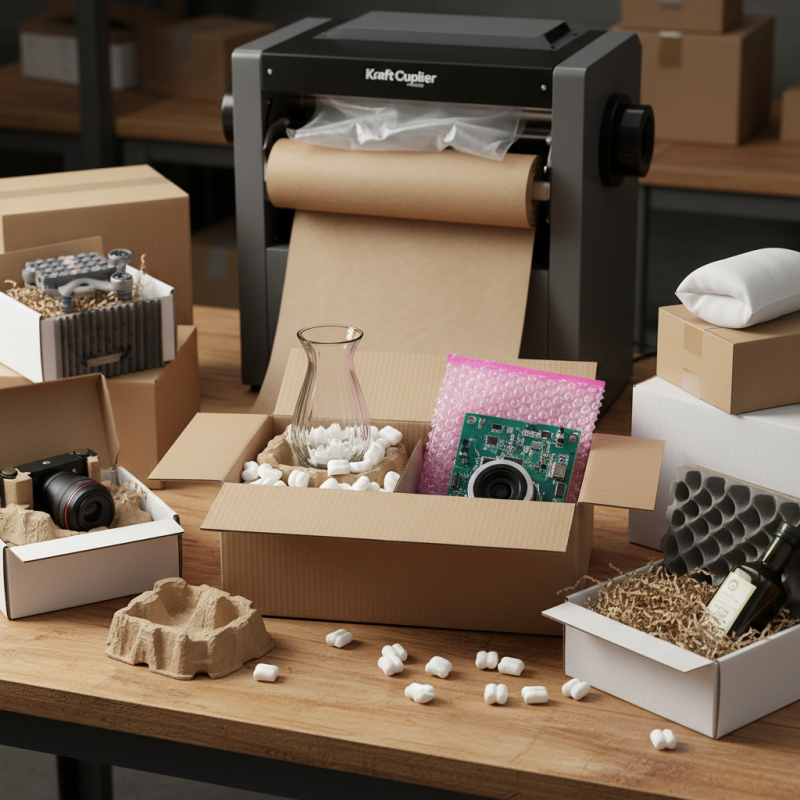
Identifying the Unique Requirements of Your Products
When selecting protective packaging, it's crucial to consider your product's unique needs. Different items require different levels of protection. For instance, fragile glass items need sturdy, cushioned packaging to prevent breakage. This could involve using bubble wrap or molded inserts. Lightweight products, however, may require less heavy-duty options.
The size and shape of your product also play a vital role. Bulky items might need custom boxes, while smaller products can fit into standard-sized packaging. Don’t forget about temperature sensitivity. If your products are affected by heat or cold, insulated packaging might be necessary.
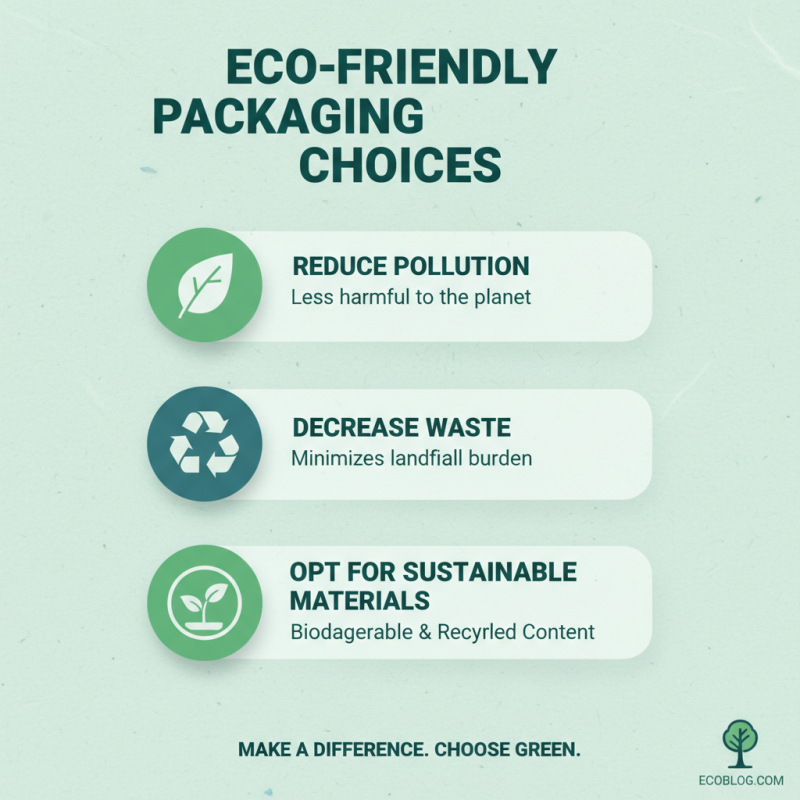
Moreover, consider the environmental impact. Sustainable materials can be a good choice. Many consumers value eco-friendly packaging. This choice, though beneficial, can sometimes limit your options. Striking the right balance between protection, cost, and sustainability can be challenging. It's essential to keep testing and adjusting your strategy.
How to Select the Best Protective Packaging for Your Products?
This bar chart illustrates the protection levels provided by various types of packaging materials. Foam offers the highest protection, while plastic provides the least.
Evaluating Different Types of Protective Packaging Materials
When selecting packaging, it's crucial to evaluate the materials that best protect your products. Various options exist, including cardboard, bubble wrap, and polystyrene. Each material offers unique advantages and drawbacks. For example, cardboard is eco-friendly but may not provide sufficient cushioning for fragile items. Bubble wrap, while effective, generates waste and may not be suitable for all products.
Recent industry reports indicate that around 30% of products suffer damage during shipping. This statistic highlights the importance of choosing the right packaging. According to a survey, 70% of consumers say they consider packaging sustainability. This demands a balance between protection and environmental responsibility.
Moreover, some materials can affect shipping costs. Lightweight materials can reduce overall shipping expenses, while heavier alternatives might increase them. Finding the perfect balance poses challenges. The decision is rarely straightforward. Evaluating your product's value against the costs will lead to better decisions. High-quality packaging justifies higher costs but does not always guarantee better protection.
How to Select the Best Protective Packaging for Your Products?
| Packaging Material |
Protection Level |
Cost |
Environmental Impact |
Use Case |
| Bubble Wrap |
High |
Moderate |
Plastic Waste |
Fragile Items |
| Foam Inserts |
Very High |
High |
Non-biodegradable |
Electronics |
| Cardboard Boxes |
Moderate |
Low |
Recyclable |
General Shipping |
| Biodegradable Packing Peanuts |
Moderate |
Moderate |
Eco-friendly |
Lightweight Items |
| Shrink Wrap |
High |
Low |
Plastic Waste |
Food Products |
Assessing Costs versus Benefits of Packaging Options
When selecting protective packaging, assessing costs versus benefits is crucial. A recent industry report indicates that businesses lose about $2.3 billion annually due to product damage during shipping. Understanding packaging options can save money and improve customer satisfaction.
Consider the cost of materials. Some options may appear cheap initially but lead to higher costs in the long run. A poorly designed package can result in returns and replacements. Investing in sturdy materials might seem expensive. However, it ultimately reduces waste and losses. According to the Packaging Institute, businesses that invest wisely in packaging reduce damages by up to 30%.
Tip: Always analyze the total cost of ownership. Think beyond the purchase price of packaging materials. Factor in potential returns, customer complaints, and brand reputation.
When evaluating packaging, consider environmental impact as well. Eco-friendly packaging often costs more upfront. Yet, research shows that 72% of consumers prefer sustainable options. This choice can enhance brand loyalty and potentially increase sales. Balancing sustainability and protection can be challenging. A package that looks great might not always protect the product effectively.
Tip: Test different materials. Running trials can reveal hidden costs and benefits. Use feedback from customers to adjust your strategy.
Testing and Quality Control for Effective Packaging Solutions
Quality control is crucial for effective packaging solutions. When packaging products, testing materials ensures they withstand transport risks. This might include drops, vibrations, and temperature changes. It’s important to simulate real-world conditions. A product packed poorly may result in damage. That's a loss no business can afford.
Investing in protective packaging should be a thoughtful process. One way to ensure effectiveness is through visual inspection. Look for visible flaws in packaging materials. Are there any tears or weak seams? These can compromise the integrity of the package.
However, relying solely on inspections may not be enough. Testing various protective materials before mass production is advisable. Some materials may fail to protect in certain conditions. A good practice is to gather feedback after each shipping cycle. Investigating issues can lead to better solutions in the long run. This can improve customer satisfaction and reduce refund rates.