What is Protective Packaging and How Does It Work?
Protective packaging plays a vital role in today’s shipping and logistics industry. It's designed to safeguard products from damage during transport. According to John Smith, a leading expert in protective packaging, "The right packaging can mean the difference between a product arriving safely or in pieces." This statement underscores the importance of choosing the right materials and designs for effective protection.
In recent years, the demand for protective packaging has increased significantly. Businesses recognize that damaged goods lead to customer dissatisfaction. A well-implemented protective packaging strategy can save companies both time and money. It’s not merely about aesthetics; functionality is key.
However, creating effective protective packaging is not without challenges. Many businesses struggle to balance cost, sustainability, and protection. There needs to be a focus on innovation in materials. As industries evolve, so must packaging solutions to keep pace with changing needs and standards. The evolution of protective packaging shows promise, but careful reflection on practices remains essential for continued success.
What is Protective Packaging? An Overview of Its Definition and Purpose
Protective packaging is vital for ensuring that products reach consumers in perfect condition. This type of packaging is designed to prevent damage during transit and handling. It serves as a barrier against impacts, moisture, and other environmental factors. The materials used can range from bubble wrap to custom-designed foam inserts, all tailored to fit specific items.
When selecting protective packaging, consider the nature of the product. Fragile items need extra cushioning, while heavy or bulky products might require sturdier materials. Testing different options can help identify the best solution.
Many people overlook the importance of proper sealing. A tightly sealed package can often prevent moisture from entering and damaging contents. Environmental factors should not be underestimated. They can spoil even robust packaging. It's wise to keep an eye on the weather conditions when shipping items.
Choosing the right packaging is not always straightforward. Balancing protection, cost, and sustainability can pose challenges. Reflecting on past experiences can help inform better choices in the future. The effectiveness of protective packaging ultimately hinges on thoughtful design and material selection.
The Importance of Protective Packaging in Reducing Product Damage Rates
Protective packaging plays a crucial role in the logistics and shipping of products. It is designed to cushion and safeguard items during transit. This minimizes the chances of damage, ensuring that products reach consumers in perfect condition. One significant factor to consider is the type of material used in protective packaging. Different products require different levels of protection, making the choice of packaging material vital.
Damage during shipping can lead to severe financial losses for businesses. Products that arrive broken or damaged create dissatisfaction among customers. This often results in returns and refunds, which no business desires. By investing in quality protective packaging, companies can significantly reduce their product damage rates. It's essential to assess how effective your current packaging is. Some businesses may overlook this aspect, assuming that all packaging offers adequate protection.
Moreover, improper packaging techniques can lead to thinking all products are equally safe during transit. Yet, this is a misconception. Custom packaging solutions cater to specific product needs, providing better protection. As businesses strive to maintain their reputation, identifying areas for improvement in packaging should be a priority. Choosing the right protective packaging not only reduces damage rates but also enhances overall customer satisfaction.
The Importance of Protective Packaging in Reducing Product Damage Rates
Types of Protective Packaging Materials and Their Specific Uses
Protective packaging is essential in various industries, ensuring safe shipping and handling of products. Different materials serve specific purposes, enhancing protection against environmental factors and impact.
One common type is polyethylene foam. This lightweight yet durable material provides cushioning for fragile items. A report by Smithers Pira states that the global demand for polyethylene foam is projected to grow by 4.5% annually. Another widely used option is corrugated cardboard. It offers excellent strength-to-weight ratio, making it suitable for shipping boxes. In 2021, the corrugated packaging market reached a value of $290 billion, with steady growth expected.
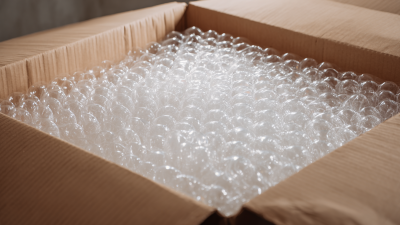
Bubble wrap also remains popular for its versatility. It can protect delicate items like electronics during transit. A survey revealed that 70% of companies use bubble wrap as a preferred packing solution due to its effectiveness. However, concerns over plastic waste from materials like bubble wrap are rising. Many businesses now explore environmentally friendly alternatives, reflecting an industry shift towards sustainability.
How Protective Packaging Enhances Supply Chain Efficiency
Protective packaging plays a crucial role in supply chain efficiency. By minimizing damage during transit, it can reduce costs significantly. A report by Research and Markets shows that effective protective packaging can lead to a 25% decrease in product returns due to damage. This is beneficial for both manufacturers and retailers, as it enhances customer satisfaction.
The integration of protective packaging into logistics is often overlooked. Many companies still face challenges. For instance, about 30% of businesses do not fully understand their packaging needs, leading to inefficiencies. Proper packaging strategies can optimize space utilization. Space savings can reduce shipping costs by up to 20%, enabling companies to maximize their profitability.
Improper protective packaging can cause more issues. Packaging that is too rigid may not absorb shock well, while overly cushioned packaging can take up unnecessary space. Finding the right balance is essential for ensuring product safety while enhancing overall supply chain efficiency. Addressing these challenges can significantly improve operational performance. Understanding packaging dynamics is key to achieving these improvements.
Industry Standards and Best Practices for Effective Protective Packaging Solutions
Protective packaging is essential in ensuring the safe transport of goods. Adhering to industry standards and best practices plays a crucial role in its effectiveness. According to a 2022 report by the Institute of Packaging Professionals, nearly 40% of products are damaged during shipping due to inadequate packaging. This statistic emphasizes the necessity for robust protective solutions that meet established guidelines.
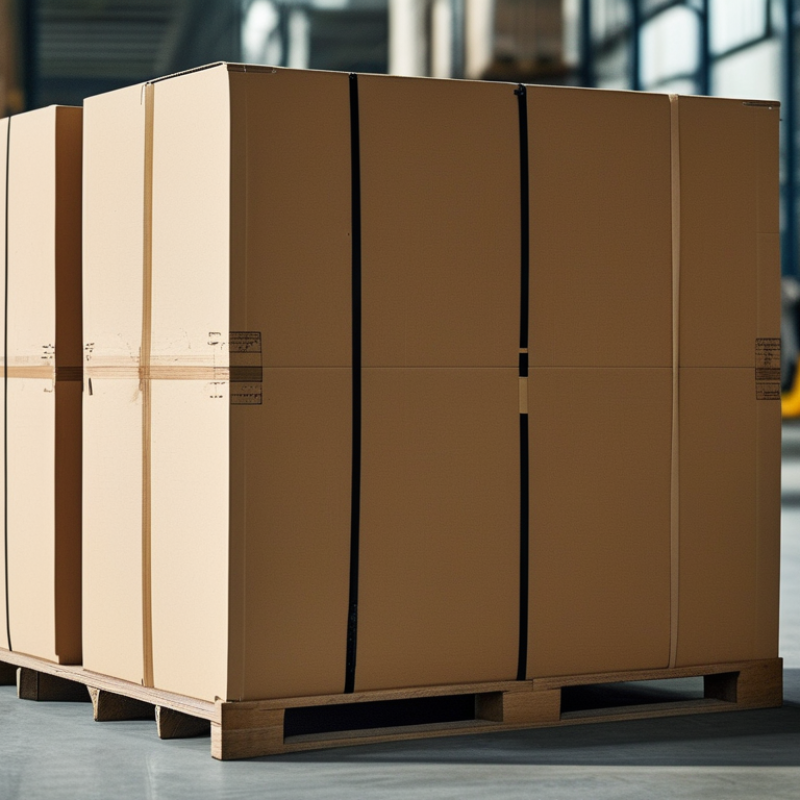
The use of appropriate materials is vital. For example, corrugated cardboard is widely favored for its strength and lightweight properties. According to a 2021 study, packaging designed with specific dimensions can reduce product movement by up to 30%. This reduction significantly minimizes the risk of damage during transit. Moreover, the international standards for packaging, such as ASTM D4169, provide frameworks for testing and ensuring packaging reliability against various stress factors.
While many companies are aware of these standards, only a fraction implements them fully. A survey from 2023 revealed that 25% of businesses still use outdated packaging materials. This oversight often leads to increased costs and wasted resources. Regular evaluations and updates to protective packaging strategies are necessary to align with advancing technologies and materials science. Understanding these aspects can improve packaging efficiency and ultimately enhance customer satisfaction.