What is Poly Packaging and How It Benefits Your Business in 2023
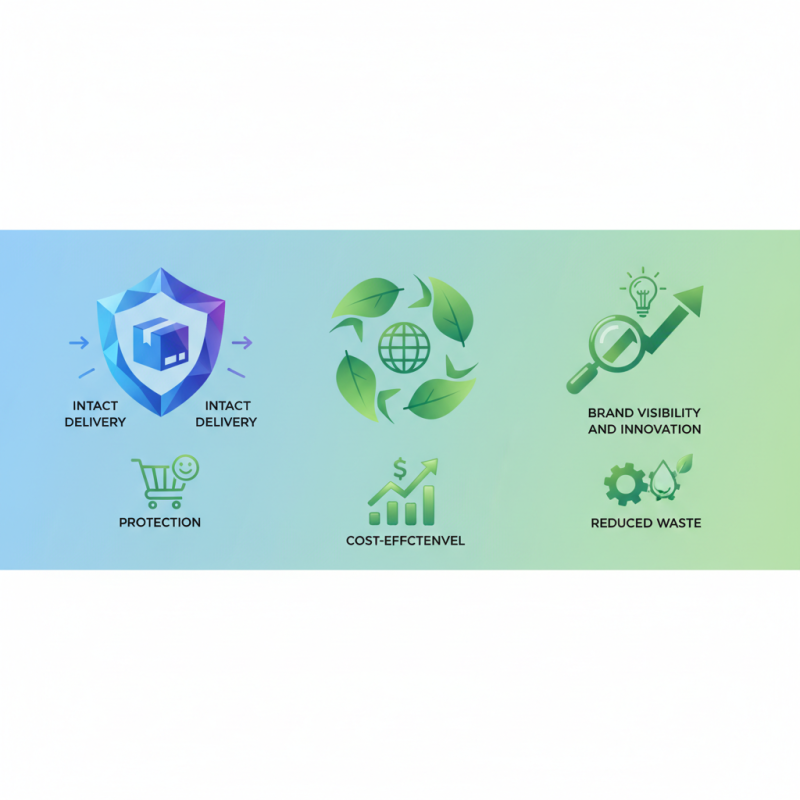
As businesses continue to evolve in 2023, the packaging industry has seen significant advancements, particularly in the realm of poly packaging. Renowned industry expert Dr. Emily Carter emphasizes the importance of this innovative packaging solution, stating, "Poly packaging not only protects products but also enhances brand visibility and sustainability." With the rising demand for efficient and eco-friendly packaging solutions, poly packaging has emerged as a vital component for businesses aiming to streamline their operations while adhering to sustainable practices.
Poly packaging encompasses various materials, typically made from polymers, that offer durability and versatility. This type of packaging is revolutionizing how companies deliver products to consumers, ensuring they remain intact while reducing waste. In a world increasingly focused on sustainability, poly packaging enables businesses to meet consumer expectations for environmentally friendly practices without compromising on quality or cost-effectiveness. In this article, we will explore how adopting poly packaging can provide substantial advantages for businesses in 2023 and beyond.
Understanding Poly Packaging: Definition and Overview
Poly packaging refers to the use of polyethylene materials for producing various types of packaging solutions. Known for its versatility and durability, poly packaging encompasses a range of products including bags, films, and containers that are widely used across different industries. The primary feature of polyethylene is its lightweight nature and resistance to moisture, making it an ideal choice for protecting goods during storage and transportation. As businesses increasingly prioritize sustainability, advancements in poly packaging technology have led to the development of recyclable and biodegradable options, making it not only efficient but also more environmentally friendly.
In 2023, understanding the benefits of poly packaging is crucial for businesses looking to enhance their operational efficiency. Its customizable design allows companies to tailor packaging according to specific product requirements, which can improve brand presentation and appeal to consumers. Additionally, poly packaging often results in reduced shipping costs due to its lightweight composition, allowing businesses to save money while optimizing their supply chain. Furthermore, the ability to create barrier films that protect products from external factors such as moisture and air helps in maintaining product quality over time, ultimately contributing to customer satisfaction and retention.
Key Types of Poly Packaging Used in Various Industries
Poly packaging encompasses a wide range of flexible packaging solutions made primarily from polymer materials, offering versatility and durability across various industries. One prominent type is poly bags, which are commonly used in retail for packaging clothing, accessories, and household items. Their lightweight nature reduces shipping costs and their moisture-resistant properties help protect products during transit. Another type is poly mailers, which provide an excellent alternative for e-commerce businesses, offering an easy-to-use, tamper-evident solution that keeps items secure during delivery.
In the food industry, poly packaging plays a crucial role with applications like food-grade bags and films. These materials are designed to keep products fresh while extending shelf life, ensuring compliance with safety standards. Additionally, industries such as construction and agriculture utilize poly sheeting for protection against the elements or to serve as vapor barriers. The adaptability of poly packaging not only enhances operational efficiency but also meets specific industry needs, making it an essential component in modern supply chains.
Advantages of Poly Packaging for Businesses in 2023
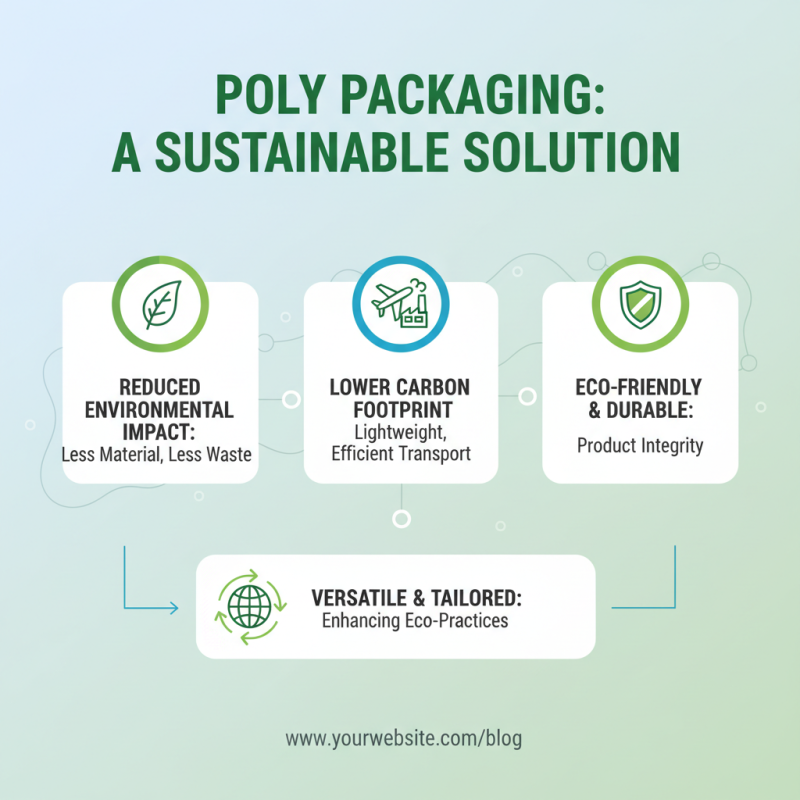
Poly packaging has emerged as a significant player in the packaging industry in 2023, providing numerous advantages for businesses across various sectors. One of the most notable benefits is its lightweight nature, which leads to reduced shipping costs. Because poly packaging is less cumbersome than traditional materials, companies can save on freight expenses while also minimizing their carbon footprint through lower fuel consumption during transportation. This lightweight quality also enhances efficiency during handling and storage, allowing for more streamlined operations.
Another key advantage of poly packaging is its durability and versatility. Poly materials are resistant to water, moisture, and various chemicals, making them ideal for protecting a wide range of products. This durability ensures that goods remain intact during transit and storage, reducing the risk of damage or spoilage. Furthermore, poly packaging can be customized to meet specific business needs, including varying thicknesses, sizes, and the ability to incorporate features like resealable closures. This flexibility allows businesses to create tailored packaging solutions that not only safeguard their products but also enhance brand visibility and appeal.
Sustainability and Environmental Impact of Poly Packaging
Poly packaging has gained significant attention in recent years due to its potential sustainability benefits and reduced environmental impact. As more businesses seek to enhance their eco-friendly practices, poly packaging offers a versatile solution that can be tailored to meet specific requirements while minimizing waste. By utilizing lightweight materials, poly packaging not only reduces transportation emissions but also decreases material usage compared to traditional packaging options. This allows businesses to lower their carbon footprint while maintaining product integrity and durability.
Moreover, poly packaging can be produced using recycled materials, further contributing to sustainability efforts. By opting for recycled poly products, companies can reduce the demand for virgin resources and promote a circular economy. Additionally, advancements in production technology have led to more eco-conscious options, such as biodegradable and compostable poly packaging. These innovations not only support businesses in meeting regulatory demands but also bolster their reputation among environmentally conscious consumers. As businesses continue to adapt to sustainability trends, poly packaging stands out as a practical choice that balances environmental responsibility with operational efficiency.
Future Trends in Poly Packaging Technology and Applications
The future of poly packaging technology is rapidly evolving, driven by demands for sustainability and efficiency. One of the prominent trends is the shift towards biodegradable and compostable materials. Consumers and businesses alike are increasingly prioritizing environmentally friendly options, prompting manufacturers to innovate solutions that minimize environmental impact. By integrating bioplastics and materials derived from renewable resources, poly packaging is poised to meet these demands while maintaining the durability and functionality required for various applications.
Another significant trend is the incorporation of smart technology into poly packaging. The development of packaging that can monitor product freshness, track inventory levels, or even communicate with consumers through QR codes is gaining traction. These advancements not only enhance the user experience but also provide valuable data for businesses to optimize their supply chains and reduce waste. As technology continues to integrate with packaging solutions, companies that adopt these innovations will likely gain a competitive edge in the marketplace, ultimately benefiting from improved customer engagement and operational efficiency.