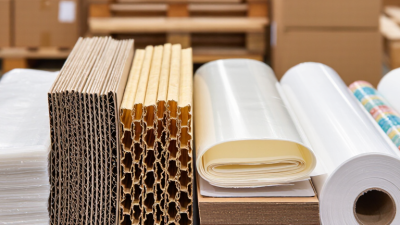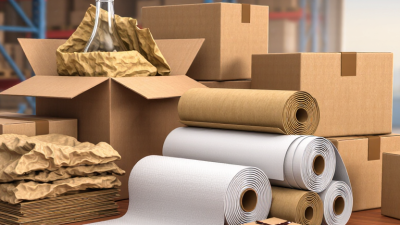
Packing paper is the quiet material behind many safe deliveries. It cushions ceramics, wraps books, separates metal parts, and fills empty spaces inside cartons. Yet the term is broader than it sounds. It may describe kraft paper, tissue paper, corrugated sheets, honeycomb paper, or crumpled paper void fill. Each type behaves differently under pressure, moisture, and repeated handling.
The global scale is significant. The Food and Agriculture Organization reports that annual worldwide paper and paperboard production exceeds 400 million tonnes. Smithers also identifies paper-based packaging as a major growth segment, supported by e-commerce, food service, and brand sustainability goals. These figures show demand, but they do not prove that every paper format is automatically sustainable. That assumption needs questioning.
Packaging specialist Lisa McTigue Pierce has described packaging as “a silent salesperson on the shelf.” The phrase also fits packing paper. Its texture, print quality, and neat folding shape the customer’s first physical impression. More importantly, its performance can prevent scratches, dents, and product movement. Less damage can mean fewer replacements and lower transport waste.
Still, packing paper has limits. Wet conditions can weaken untreated grades. Heavy products may require layered protection. Coatings, adhesives, ink, and food residue can also complicate recycling decisions. The American Forest & Paper Association recommends checking local recycling rules, because accepted materials vary by community. A practical choice begins with the product, not a marketing slogan. Thin paper may look efficient. It may fail in transit. Good packaging balances protection, material use, cost, and recovery after use.
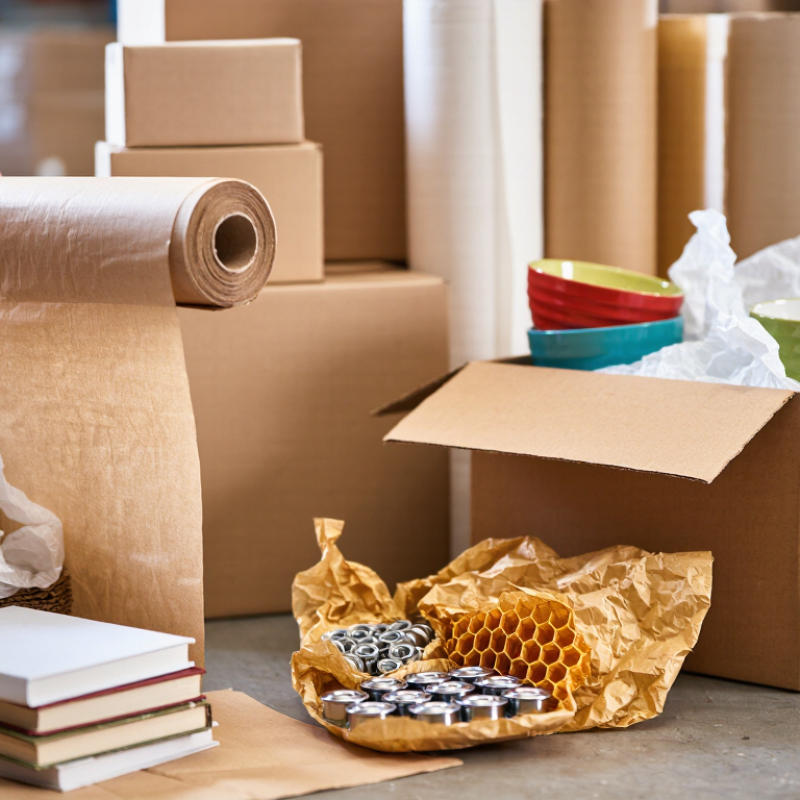
Packing paper is a clean, flexible paper material used to wrap, separate, and cushion household items. It is usually unprinted and made from kraft paper or lightweight wrapping paper. Unlike newspaper, it normally leaves no ink marks on glass, dishes, or pale ceramics.
Its main purpose is protection during moving, shipping, storage, or gift preparation. I often wrap each plate separately, then place crumpled paper between the layers. Small paper cushions can fill empty spaces inside a box and reduce movement. The paper also helps prevent scratches when metal tools, books, or framed objects touch each other. It is simple, but useful.
Packing paper is not waterproof or highly shock-resistant. Wet objects can weaken it quickly. Heavy items may also need stronger cushioning around the box. I once used too little paper around a ceramic bowl, and the empty space allowed it to shift. That was my mistake. A practical check is to close the box gently and test for movement before sealing it. If the contents slide, add more crumpled paper. Clean hands and dry surfaces matter too, especially when wrapping light-colored items. Many packing papers are recyclable, but local recycling rules can differ.
Packing paper is a flexible protective material used to wrap, separate, and cushion household or commercial items. Its material and structure determine its best use. Kraft paper is made from strong wood fibers and resists tearing during wrapping. Recycled kraft paper uses recovered fibers, though its strength can vary slightly. Tissue paper is thinner and softer, making it suitable for polished surfaces, glassware, and delicate decorations. Acid-free tissue is often preferred for long-term storage because it reduces the risk of yellowing or surface damage.
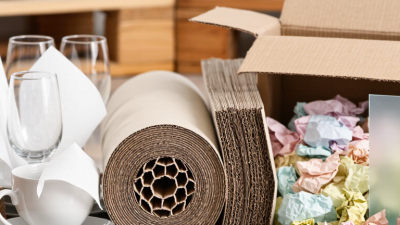
Different packing paper types provide different levels of protection. Flat sheets work well between plates, books, and framed items. Crumpled kraft paper fills empty spaces inside boxes and limits movement. Corrugated paper adds layered cushioning around edges and corners. Honeycomb paper expands around objects, but it may not protect heavy items as effectively as thicker materials. In my experience, paper is clean, recyclable, and easy to handle. Still, it is not perfect. Moisture can weaken it, and poor folding can leave fragile corners exposed.
Tips: Choose paper according to the object’s weight, surface, and sensitivity. Wrap sharp edges with several layers. Use crumpled paper to fill gaps, not just cover the item. Test recycled paper first, since loose fibers or ink transfer can occasionally cause problems. A firm box matters too; even excellent paper cannot correct weak packaging.
Packing paper is unprinted, lightweight paper used to cushion and separate household or commercial goods. It usually has enough flexibility to wrap glassware, ceramics, books, and small appliances without adding much shipping weight. Unlike newspaper, it leaves no ink marks. That matters on white surfaces.
During moving, packers often place a flat sheet between plates and wrap each piece separately. Crumple it loosely. The air pockets absorb minor movement inside the carton. Fill empty spaces around cups, lamps, or framed items, especially near corners. A practical check is simple: close the box and shake it gently. If the contents shift, add more paper or reduce the load.
For shipping, packing paper works best with rigid outer boxes and proper internal spacing. Wrap fragile items twice, then add cushioning beneath and above them. Do not compress the paper into a hard lump; it loses useful volume. The U.S. Environmental Protection Agency reported a 68.2% recycling rate for paper and paperboard in 2018, based on its Advancing Sustainable Materials Management report. The American Forest & Paper Association reported a 93.6% recycling rate for corrugated boxes in 2022. These figures support paper-based protection, but recycling depends on local collection systems and contamination. Damp paper is weaker. Overpacking also wastes material and increases freight weight. That trade-off deserves more attention.
Packing paper is a clean, flexible material used to protect items during handling and transport. People commonly wrap plates, glasses, books, picture frames, and decorations with it. Its soft surface helps reduce scratches, while folded layers provide light cushioning. In my packing experience, paper is easy to shape around corners and fill narrow spaces inside a box.
Its benefits are practical. Packing paper is lightweight, affordable, easy to tear, and often easier to recycle than plastic-based materials. It also requires little storage space. However, it is not waterproof and offers limited shock absorption. A thin sheet will not protect a fragile item from a hard drop. Ink, dust, or rough paper may also mark pale surfaces. Clean, unprinted paper lowers that risk. I once used too little paper around a ceramic bowl, and movement caused a small chip. That mistake was preventable. Paper alone may still be unsuitable for antiques, heavy equipment, or delicate glassware.
Tips: Use two or three layers for ordinary items. Add more around fragile edges. Crumple spare paper into loose cushions. Test movement by gently shaking the closed box. If items shift, add paper. Keep it dry, and place heavy objects below lighter ones. For valuable items, combine packing paper with fitted inserts or another protective layer.
Packing paper is lightweight paper used to protect household items during moving, storage, or shipping. It cushions surfaces, fills empty spaces, and reduces scratches between objects. Clean, unprinted paper is often suitable for plates, glasses, books, and small decorations.
Choose paper according to the item’s weight and fragility. Thin sheets can wrap mugs, but heavier objects need several layers. Acid-free paper is safer for photographs, artwork, and long-term storage. Keep the paper dry and inspect it for dust, moisture, or strong odors. I once used too little paper around a ceramic bowl, and the empty space allowed it to move. That was a preventable mistake.
Tips: Wrap each item separately. Place heavier pieces below lighter ones. Crumple paper around gaps, not directly over delicate finishes. Avoid newspaper for pale fabrics or porous surfaces because ink may transfer. Before recycling, remove tape, plastic film, and food residue. Flatten clean paper and keep it dry. Most packing paper can enter household paper recycling, but local programs differ. Check the collection guidance before placing it in a recycling bin. Some used sheets may be reused for another move, craft work, or drawer lining. However, heavily torn or contaminated paper may not be accepted. A little sorting makes the process more reliable.
| Paper Type | Typical Basis Weight | Primary Uses | Protection Provided | Best Choice When | Important Limitations | Recycling Guidance |
|---|---|---|---|---|---|---|
| Kraft Packing Paper | Approximately 40–90 g/m² | Wrapping books, dishes, household goods, gifts, and general parcels | Surface protection, light cushioning, abrasion resistance, and void filling when crumpled | You need a versatile paper for wrapping or filling empty spaces in a box | Provides less impact protection than molded paper, corrugated inserts, or foam for fragile items | Usually recyclable when clean, dry, and free from plastic film, foil, and excessive adhesive tape |
| Crêpe Packing Paper | Approximately 30–80 g/m² | Wrapping irregular, delicate, or decorative objects | Conforms to curved surfaces and offers gentle abrasion protection | The item has an unusual shape or needs a flexible wrapping layer | Its stretch and softness do not replace strong structural cushioning | Generally recyclable if it is uncoated, clean, and dry; follow local collection requirements |
| Tissue Packing Paper | Approximately 17–30 g/m² | Glassware, ceramics, clothing, accessories, and surface-sensitive products | Prevents scratches, scuffing, and light surface friction | The main concern is surface marking rather than heavy impact | Thin tissue paper offers minimal cushioning and tears more easily under tension | Often recyclable, but metallic finishes, glitter, heavy dyes, and laminated coatings may prevent recycling |
| Newsprint-Style Packing Paper | Approximately 35–50 g/m² | Separating plates, bowls, glasses, and other household items during moving | Light wrapping and separation between surfaces | You need economical wrapping paper for household relocation or storage | Ink may transfer to light-colored or porous surfaces; it has limited moisture resistance | Recycle only when accepted by the local paper stream and free from food, oil, and excessive contamination |
| Butcher or Food-Grade Paper | Approximately 40–80 g/m² | Wrapping certain dry foods, lining packages, and protecting clean products | Basic separation and protection from dirt; some grades provide moderate grease resistance | The paper is specifically certified or labeled for direct food contact | Not all grades are suitable for food contact; waxed or coated versions may not be recyclable | Clean, uncoated paper may be recyclable; food-, grease-, or meat-contaminated paper is commonly excluded |
| Honeycomb Paper Wrap | Commonly about 60–100 g/m² before expansion | Wrapping bottles, ceramics, electronics, and other fragile products | Expanded cells create cushioning and help absorb minor shocks | You want a paper-based alternative to plastic bubble wrap for individual wrapping | It is less effective when compressed flat or exposed to water; it may require more storage space before use | Usually recyclable when made from uncoated paper and separated from plastic or metal components |
| Corrugated Paper Insert | Often about 250–600 g/m², depending on flute and board structure | Dividers, edge protection, partitions, and internal box supports | Strong structural separation and improved resistance to compression | The package needs organized compartments or protection from item-to-item contact | Uses more material and space than thin wrapping paper; performance decreases when wet | Recycle as corrugated fiberboard when clean, dry, and free from large amounts of tape or non-paper attachments |