What is Industrial Packaging Supplies and How Are They Used?
Industrial packaging supplies play a crucial role in various industries. They are designed to ensure the safe transport and storage of products. These supplies include items like cardboard boxes, stretch film, and protective cushioning materials. Each serves a unique purpose in protecting goods from damage.
The demand for industrial packaging supplies has increased significantly. Companies recognize the importance of proper packaging in maintaining product quality. Many businesses rely on these supplies to enhance their brand image. However, not all packaging solutions fit every product. This mismatch can lead to wasted resources and increased costs.
Understanding the options available is essential for any business. Effective use of industrial packaging supplies can improve efficiency. Yet, choosing the right materials often requires careful thought. Some businesses may overlook vital elements, leading to missed opportunities. Balancing cost, sustainability, and protection is often a challenge. By reflecting on these aspects, companies can improve their packaging strategies.
Definition of Industrial Packaging Supplies
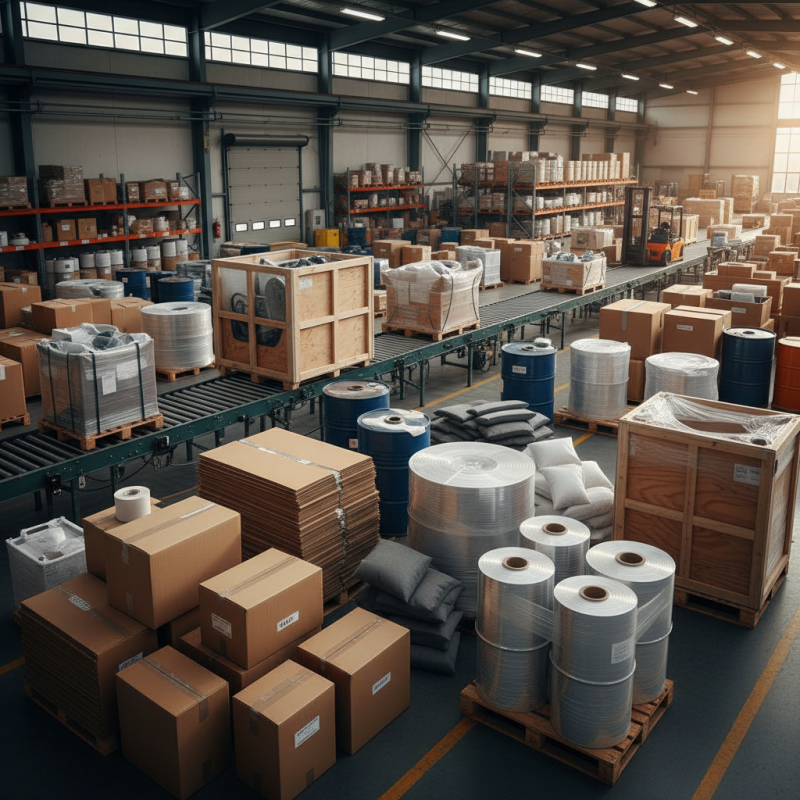
Industrial packaging supplies refer to materials designed for the safe and efficient storage or transport of products. These supplies include items such as stretch film, pallets, and heavy-duty boxes. They serve crucial roles in various industries, ensuring products remain intact during transit. However, the selection of packaging materials often faces inconsistencies. Many businesses overlook the importance of durability.
In many cases, companies choose cheaper options to cut costs. This may lead to product damage and customer dissatisfaction. For example, using flimsy wraps can cause items to shift or break in transit. Moreover, the sustainability of these supplies is often ignored. Companies should reflect on the environmental impact of their packaging choices.
Effective packaging requires careful consideration. It is not just about protection; it’s also about functionality. The right supplies can enhance branding and improve customer experience. Yet, many companies struggle to find the balance between cost, efficiency, and sustainability. It’s a complex issue that merits ongoing evaluation.
Types of Industrial Packaging Materials
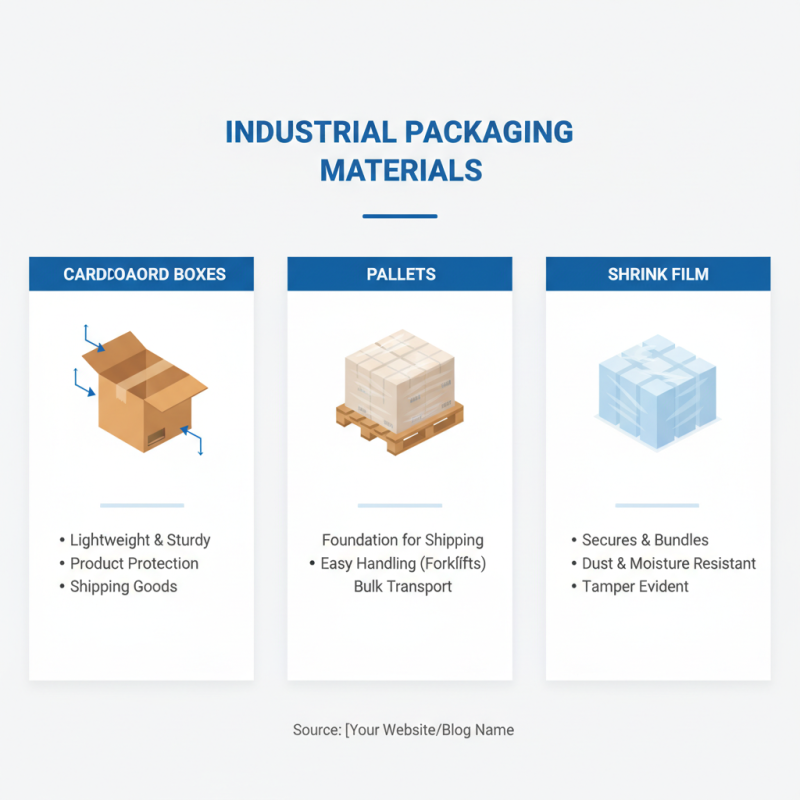
Industrial packaging materials come in various forms, each serving a specific purpose. Common types include cardboard boxes, pallets, and shrink film. Cardboard boxes are lightweight yet sturdy. They provide excellent protection for products during transit. Often, businesses use them for shipping goods across distances.
Pallets support heavy loads and facilitate easier transportation. They can be made from wood, plastic, or metal. Wooden pallets are popular, but they require regular inspection for damage. Plastic options offer durability and are often reusable. Shrink film is another essential material. It tightly wraps products, protecting them from dust and moisture. However, the choice of packaging material can impact sustainability.
Choosing the right packaging requires careful thought. Each material has its pros and cons. Some are more eco-friendly than others. Understanding the specific needs of your products can help make better choices. Always be ready to evaluate and revise your packaging strategies. It’s a continuous learning process.
Applications of Industrial Packaging in Various Industries
Industrial packaging plays a crucial role in various sectors. It is essential for ensuring products reach consumers safely. The global industrial packaging market is projected to grow, expected to reach USD 200 billion by 2025. This growth reflects the increasing demand for efficient shipping solutions across industries.
In the food and beverage sector, packaging must maintain freshness. A report indicates that over 30% of food waste is due to poor packaging. Selecting the right materials can extend shelf life. Similarly, the chemical industry relies on robust packaging. These containers must resist corrosion and comply with safety standards.
In the electronics industry, anti-static packaging is vital. It protects sensitive components during transport. However, despite advancements, many companies still struggle with waste management in packaging. Reports show that nearly 25% of industrial waste is packaging-related. This presents an opportunity for improvement and innovation.
What is Industrial Packaging Supplies and How Are They Used? - Applications of Industrial Packaging in Various Industries
| Industry |
Type of Packaging |
Materials Used |
Key Applications |
| Food and Beverage |
Shrink Wrap |
Polyethylene (PE) |
Packaging of perishable goods; multi-pack shipments |
| Pharmaceuticals |
Blister Packs |
PVC, ALU Foil |
Individual medication dosage; tamper-proof packaging |
| Electronics |
Anti-Static Bags |
Polyethylene, Conductive Ink |
Safe transportation of sensitive electronic components |
| Chemicals |
Drum Containers |
High Density Polyethylene (HDPE) |
Storage and transport of bulk chemicals |
| Construction |
Bulk Bags |
Polypropylene (PP) |
Transport of aggregates, sand, and fertilizers |
| Textiles |
Bags and Wraps |
Cotton, Polypropylene |
Packaging for bulk textiles; protection during shipping |
Advantages of Using Industrial Packaging Supplies
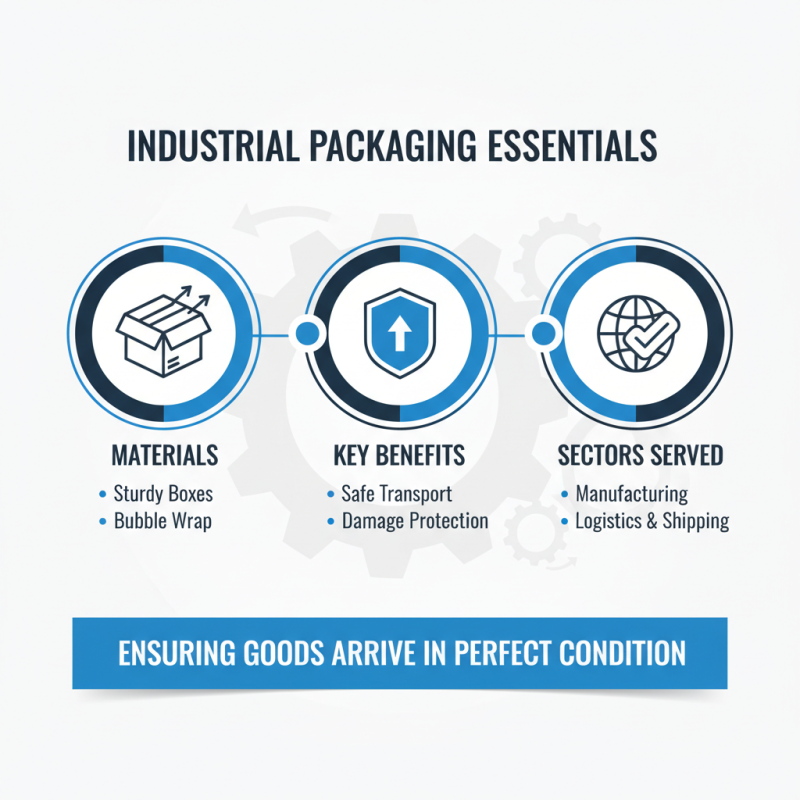
Industrial packaging supplies play a vital role in various sectors. These supplies include materials like sturdy boxes, bubble wrap, and pallets. They offer crucial benefits in transporting goods safely. The right packaging can protect items from damage, ensuring they reach their destination in perfect condition.
One significant advantage of industrial packaging supplies is their durability. Materials are designed to withstand harsh conditions. Weather, impact, and pressure are all factors that can harm products. However, using robust packaging can mitigate these risks. Inadequate packaging often leads to losses. Businesses may face damaged goods or returns, which can be costly.
Moreover, industrial packaging supports efficiency. Streamlined packaging processes can reduce time spent on logistics. This is especially important in high-demand environments. Packaging that is easy to handle and stack saves space. The downside includes potential waste due to over-packaging. Reflecting on this, companies must balance protection and environmental impact. Efficient use of materials should always be a focal point.
Best Practices for Selecting and Using Industrial Packaging
Selecting the right industrial packaging supplies can be a daunting task. The specific needs of your products greatly influence this choice.
Consider variables like the weight, shape, and fragility of items.
These factors help determine the best materials and structures for packaging.
When choosing packaging, prioritize durability. Strong materials protect your goods during transit. However, don't overlook sustainability.
Eco-friendly options are increasingly important. They can enhance your brand's image and appeal to conscious consumers.
Tips:
- Always test samples of packaging before purchasing in bulk.
- Evaluate the packaging's compatibility with your product.
- Regularly review your packaging methods for improvements.
Remember, choosing packaging is not just about protection. It's also about cost-effectiveness and efficiency.
Many businesses face challenges in optimizing these aspects. Be willing to reevaluate your choices and implement feedback for better results.