How to Implement Machine Vision Inspection in Manufacturing?
In today's competitive manufacturing landscape, Machine Vision Inspection has emerged as a crucial tool. Companies are rapidly adopting this technology to enhance product quality and ensure precision. According to Dr. Ava Chen, a leading expert in the field, "Machine Vision Inspection can drastically reduce errors and improve efficiency." This statement underscores the significance of leveraging advanced vision systems.
Implementing Machine Vision Inspection is not without its challenges. Manufacturers often face issues such as integration with existing systems. Training staff to effectively use this technology is another hurdle. Despite these obstacles, the potential benefits are substantial—minimizing human error, saving time, and maintaining consistent quality.
Reflection on current practices is essential. Many companies still rely on traditional inspection methods. Transitioning to Machine Vision Inspection may require mindset shifts and adjustments. It is critical to evaluate the long-term gains against initial investments. Embracing this technology can lead to transformative changes in how we perceive quality control in manufacturing.
Understanding Machine Vision and Its Importance in Manufacturing
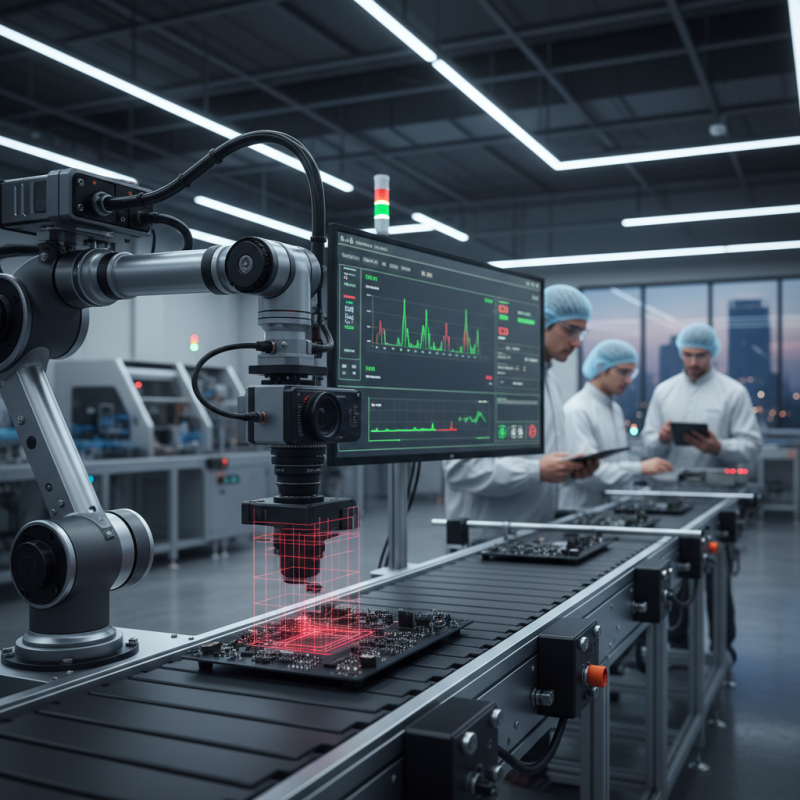
Machine vision is a transformative technology in manufacturing. It involves the use of cameras and software to inspect products on assembly lines. The goal is to enhance quality control and improve efficiency. A recent study estimates that machine vision can reduce inspection costs by up to 30%. It boosts productivity, as machines can work continuously without fatigue. However, implementation is not without challenges.
Many manufacturers face integration issues. They often struggle to align machine vision systems with existing processes. This can lead to inconsistent results, undermining the technology's potential benefits. In fact, surveys show that over 40% of companies experience difficulties in data management. The accuracy of image analysis also hinges on environmental factors. Variations in lighting or background can significantly impact performance.
Data from industry reports reveals that more than 60% of manufacturers see the need for ongoing training in machine vision systems. This highlights a gap in expertise that can hinder successful deployment. Emphasizing the importance of skilled personnel is crucial. Companies must invest in training and continuous improvement to maximize machine vision benefits.
Assessing Current Manufacturing Processes for Vision System Integration
Assessing current manufacturing processes is vital for effective vision system integration. Start by mapping out each step of your production line. Identify critical points where visual inspection can add value. Look for areas with high defect rates or tedious manual inspection tasks. These insights will guide you in determining where machine vision can fit seamlessly.
Next, consider the technology’s compatibility with existing machinery. Not every system works with every type of equipment. Take the time to understand your current setup. This may expose gaps in technology that require addressing. Additionally, involve your team in discussions. Their insights about current processes can highlight potential hurdles that machine vision might face.
Implementing machine vision requires a cultural shift. Employees may resist changes, fearing job losses. Address these concerns early. Emphasize that vision systems augment human roles rather than replace them. Training will be crucial. Ensure your workforce feels competent and secure in adapting to these new tools. This holistic approach can significantly improve the chances of successful integration.
Choosing the Right Machine Vision Technology and Equipment
Choosing the right machine vision technology and equipment is critical for effective inspection in manufacturing. Begin by understanding the specific requirements of your application. This includes the types of products you manufacture and their dimensions. The resolution needed plays a significant role in this step. Low-resolution cameras may miss defects, while high-resolution ones can capture more detail.
Consider the lighting conditions too. Proper lighting can enhance image quality. It often requires experimentation to find the best setup. Different lighting techniques may introduce shadows or reflections. This can lead to inaccurate inspections. Therefore, testing various systems is essential.
Compatibility with existing equipment is another factor. Implementing new vision systems should not disrupt production flows. Be prepared to adjust processes where needed. An ideal solution should integrate smoothly without complications. Don't forget to involve operators in this decision. They can provide insight into practical challenges and usability.
Designing an Effective Machine Vision Inspection Workflow
Designing an effective machine vision inspection workflow requires careful planning and execution. According to a report by MarketsandMarkets, the global machine vision market is expected to grow from $11.87 billion in 2021 to $18.35 billion by 2026. This growth indicates a high demand for efficient inspection processes in manufacturing sectors. Implementing machine vision can increase production speed and reduce errors. Yet, companies often struggle with integrating such advanced systems.
A tailored approach is crucial. Start by defining specific inspection needs. Consider the types of defects to monitor. For example, measuring dimensions, identifying surface flaws, or verifying assembly correctness are common tasks. Data from a Vision Systems Integrators Association report shows that 65% of manufacturers have faced challenges in achieving required accuracy levels. This highlights the importance of selecting suitable cameras and algorithms. It's essential to refine these tools based on real-world performance feedback.
In practice, workflow design should incorporate iterative testing. Deploy the system incrementally to evaluate effectiveness and make adjustments. This trial-and-error approach is beneficial, yet it requires dedication. Some teams may overlook the importance of training personnel to adapt to new technologies. A uniform understanding of the system can enhance operations. As noted by experts, a clear focus on continuous improvement is necessary to achieve lasting success in machine vision inspection.
Training Staff and Maintaining Machine Vision Systems for Optimal Use
Training staff is crucial for efficient machine vision inspection in manufacturing. Employees need to understand the equipment thoroughly. Regular training sessions can keep their skills sharp. This training should include troubleshooting common issues. It is important for workers to feel comfortable operating the systems. Offering hands-on practice can greatly enhance their confidence.
Maintaining machine vision systems is another vital aspect. Regular inspections can help identify potential problems early. A maintenance schedule ensures that machines run smoothly. However, parts may wear out unexpectedly. This can lead to downtime, which affects productivity. Staff should be trained to report anomalies quickly. Efficient communication between operators and maintenance teams helps in addressing issues immediately.
Continuous improvement is essential. Encourage operators to share their experiences and challenges. This feedback is valuable for enhancing training programs. Mistakes made during inspections should be analyzed. Reflecting on these experiences can lead to better practices. Investing time in training and maintenance can significantly boost machine performance. This results in higher quality products and fewer errors.
Machine Vision Inspection Efficiency Over Time