10 Essential Tips for Choosing the Right Bubble Packaging

When it comes to selecting bubble packaging, expert Mark Thompson emphasizes the importance of making the right choice. "The right bubble packaging can protect your products better than any other material," he says. In a world where product safety is paramount, understanding the nuances of bubble packaging is crucial.

Many businesses overlook key aspects when choosing bubble packaging. The right size and type can affect the product’s protection and shipping costs. Moreover, varying densities of bubbles offer different levels of cushioning. Some may prefer large bubbles for fragile items, while others might opt for smaller bubbles for everyday goods.

A closer look reveals that not all bubble packaging is created equal. Choices can be overwhelming. Reflecting on trial and error in the past is essential. Each decision shapes how products reach customers. Thus, exploring different options is not just beneficial but necessary for optimal shipping solutions.
10 Essential Tips for Choosing the Right Bubble Packaging

Understanding the Different Types of Bubble Packaging Available
10 Essential Tips for Choosing the Right Bubble Packaging

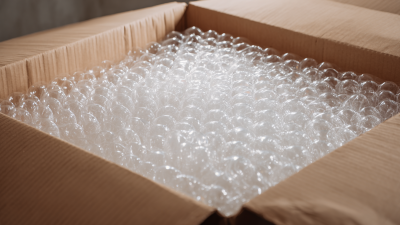
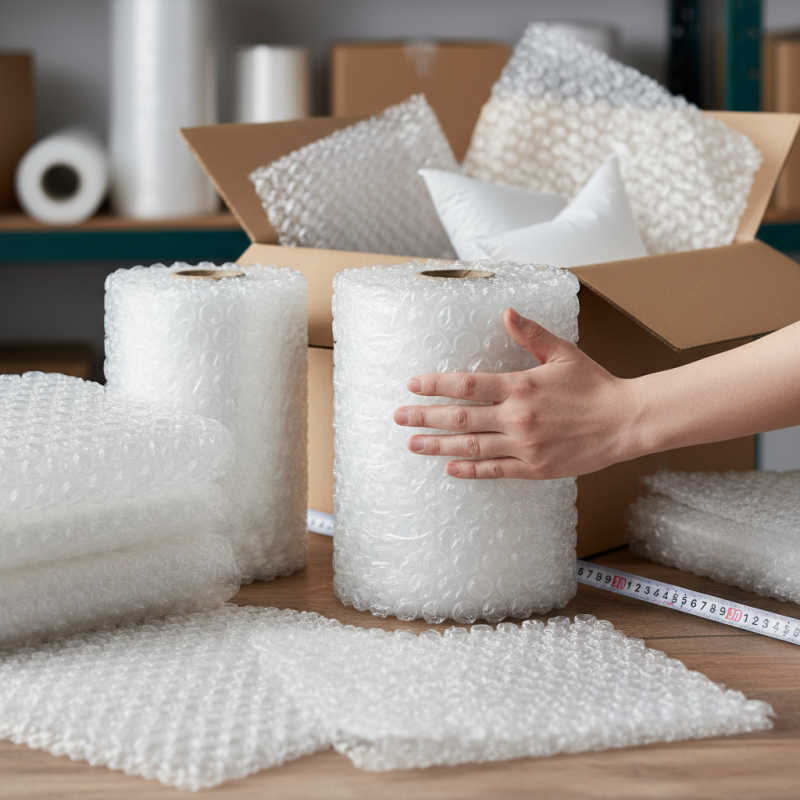
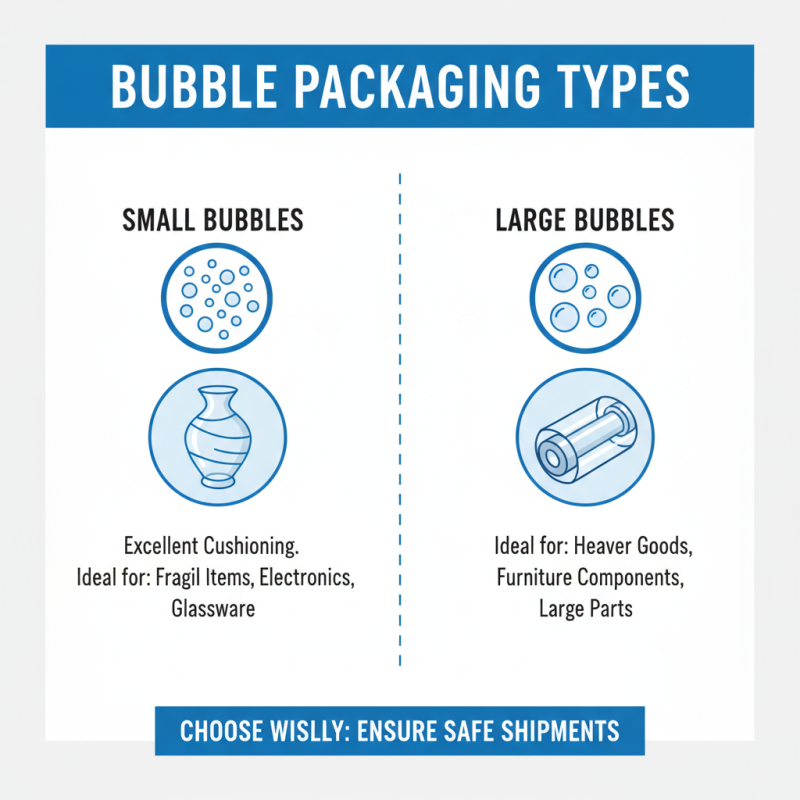
When selecting bubble packaging, understanding the various types available is crucial. Standard bubble wrap is common. It comes in different bubble sizes, which provides varying levels of protection. Smaller bubbles offer excellent cushioning for fragile items. Larger bubbles are best for heavier products. Choosing the right size can be tricky. It can impact the safety of your shipment.

Another type is inflatable bubble packaging. This option involves air-filled pillows. They can be customized to fit the product's shape. They are lightweight and reduce shipping costs. However, they may lack the firmness of traditional bubble wrap. Sometimes, businesses overlook this choice and miss out on potential savings.

Additionally, biodegradable bubble wrap is gaining popularity. It’s an eco-friendly alternative. It provides similar protection but decomposes more quickly. This option needs careful consideration. If sustainability is a priority, this could be the right fit. However, its cost may be higher than conventional materials. Weighing these factors can lead to better packaging decisions.
Evaluating the Size and Shape of Your Products for Optimal Protection

10 Essential Tips for Choosing the Right Bubble Packaging

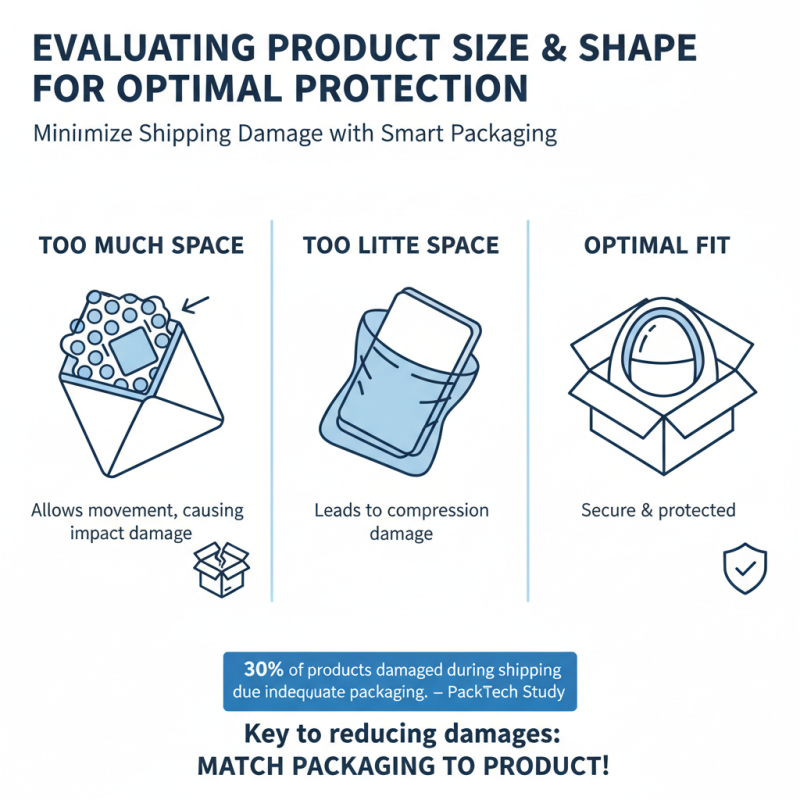
When selecting bubble packaging, the size and shape of your products play a crucial role in ensuring optimal protection. According to a study by PackTech, nearly 30% of products are damaged during shipping due to inadequate packaging. It’s essential to evaluate how your items fit, as too much space allows movement, while too little can lead to compression damage.

Tip 1: Measure your products precisely. Consider both dimensions and weight. For fragile items, additional cushioning may be necessary. If your product is irregularly shaped, custom-cut bubble packaging can better secure it during transit. The right fit minimizes the risk of breakage.

Tip 2: Assess packaging layers. A study by the Shipping Association revealed that multiple layers of bubble wrap can reduce the impact of shocks by up to 50%. However, balancing material costs is vital. Over-packing can result in waste and higher shipping fees. Aim for a snug fit without overdoing it.

Ultimately, the decisions made in choosing bubble packaging can significantly affect your product's safety. Failing to evaluate size accurately may lead to costly returns or replacements. Reflect on current practices and make adjustments for improved outcomes.

Considering the Thickness and Material Quality of Bubble Wrap

When choosing bubble packaging, thickness and material quality are crucial. Reports indicate that the thickness of bubble wrap significantly affects its protective capabilities. Generally, bubble wraps come in various thicknesses, from 3/16 inch to 1/2 inch. A thicker wrap provides better cushioning. It can absorb impacts better than thinner wraps. For fragile items, a thickness of 1/4 inch or more is advisable.

Quality also plays a vital role. High-quality bubble wrap maintains its protective properties over time. A study showed that low-quality wraps can lose air pockets, resulting in reduced protection. This decrease in integrity can expose items to potential damage during transit. Packaging professionals often recommend testing the bubble wrap by gently squeezing it. A good wrap will have firm, intact bubbles that bounce back immediately.

Furthermore, consider the material’s durability. Some wraps are made from recycled materials, while others are virgin. Recycled bubble wrap is eco-friendly but may not offer the same strength. Understand your specific needs, whether for shipping or storage. Choosing the wrong type can lead to costly mistakes. Always prioritize reliable thickness and quality to ensure the safety of your items.

Thickness and Material Quality of Bubble Wrap

Assessing Environmental Impact and Sustainability of Packaging Options

When considering bubble packaging, the environmental impact deserves attention. Traditional plastic bubble wraps are often non-biodegradable. According to the Ellen MacArthur Foundation, plastics account for 85% of all marine debris. This shows the stark reality of our reliance on non-sustainable packaging. The need for eco-friendly options has never been more urgent.

Some companies now offer biodegradable bubble packaging. These alternatives break down more efficiently and reduce landfill waste. Research from the Biodegradable Products Institute indicates that biodegradable packaging can decompose in as little as 90 days under proper composting conditions. Yet, effectiveness varies largely based on disposal methods and environmental conditions. The ideal choice requires careful assessment.

Sourcing recycled materials is also a consideration. Reports suggest that using recycled content can reduce environmental impact significantly. The EPA states that every ton of recycled plastic can save over 7,000 gallons of water and reduce greenhouse gas emissions. While companies strive for greener options, they must consider the entire lifecycle. A balance between protection and sustainability is essential in making informed choices.

Budgeting for Costs Related to Bubble Packaging Solutions

When it comes to budgeting for bubble packaging solutions, there are several factors to consider. It's easy to overlook hidden costs. For example, shipping fees can add up quickly if your packaging is bulky. Analyze your product dimensions carefully to avoid unnecessary expenses.

Tip 1: Calculate total costs before making a choice. Don't just focus on the initial price. Material costs, shipping, and even waste disposal can affect your budget. You might find a solution that seems cheap but ends up being costly in the long run.

Another important aspect is quality. Cheap packaging might save money initially but risks damage to your products. This could lead to replacement costs and loss of customer trust.

Tip 2: Consider the durability of materials. Sometimes, spending a bit more results in better protection. Quality bubble wrap can prevent returns and increase customer satisfaction. Evaluate both price and performance.

Be prepared to reassess your decisions. You might choose a more expensive option that ultimately saves money. Keep an eye on the bigger picture. Balancing cost and quality is crucial for long-term success.

10 Essential Tips for Choosing the Right Bubble Packaging

Tip No. Tip Description Cost Consideration Suitable For
1 Determine the Size of Bubble Wrap Needed Cost varies based on width and length Small businesses, E-commerce
2 Choose Between Air Cushion vs. Foam Foam can be more expensive Tech gadgets, fragile items
3 Consider Recyclability of Materials Potential cost savings on disposal Eco-conscious businesses
4 Evaluate Bulk Purchase Options Lower price per unit in bulk Retailers, wholesalers
5 Understand the Different Types of Bubble Packaging Each type has different cost implications Manufacturers, shippers
6 Assess the Weight of Items Being Packed Heavier items may require sturdier packing Fragile and valuable goods
7 Review Shipping Regulations and Standards Compliance may incur additional costs Exporters, importers
8 Check for Customization Options Custom solutions may increase price Brand-focused companies
9 Inspect Quality Standards and Certifications Higher quality often means higher costs High-end market products
10 Obtain Samples Before Bulk Purchase Sample costs before committing Quality assurance seekers
Scroll to Top