10 Essential Tips for Choosing the Best Paper Supplies for Your Needs?
Choosing the right paper supplies can greatly influence your projects. Every task, whether it’s crafting or printing, requires quality materials. The variety of options available might overwhelm you. Different papers serve different purposes, from office documents to artistic creations.
Quality is essential. Not all paper supplies are created equal. Some papers are designed for specific uses, which might not work well for others. Consider the weight, texture, and finish of the paper you choose. For instance, glossy paper enhances photo prints, while matte paper is better for text.
Reflecting on your needs is crucial. What will you use the paper supplies for? Are you focused on presentation or durability? Knowing your requirements can simplify your choices. Remember that sometimes, unconventional options might yield surprising results. Selecting the right paper can be a journey of discovery, but the rewards are worth the effort.

Understanding Different Types of Paper Supplies for Various Uses
Choosing the right paper supplies is crucial for any project. Different types of paper serve various functions. For instance,
cardstock is thick and great for business cards or invitations. In contrast, copier paper is suitable for everyday printing tasks.
Specialty papers are also worth exploring. Photo paper produces vibrant images, ideal for prints. On the other hand, recycled paper is a good choice for those who prioritize sustainability. Not everyone considers the texture or finish.
Smooth surfaces work well for inkjet printing, while textured papers can enhance artistic projects.
It’s important to think about durability. Some papers may not hold up to long-term use. Consider the paper's weight, especially if your project requires multiple layers.
Reflect on how you will use the paper. Picking the wrong type could lead to frustration. Test a few samples before committing. It’s a simple step that can save time and resources later.
Evaluating Quality: Factors That Determine Paper Strength and Durability
When selecting paper supplies, evaluating quality is key. Strength and durability are critical factors you cannot overlook. For instance, weight matters. Heavier paper usually signifies better durability. If you're printing important documents, opt for paper with higher GSM. It can resist tearing and creasing much better than its lighter counterparts.
Another factor is the texture of the paper. Smooth surfaces work well for sharp text and vibrant images. However, they often lack the durability of textured options. Those with a rough feel can be more resilient. They can endure handling without showing wear. Additionally, the finish plays a role. Glossy finishes may look appealing but can be more prone to scuffing. Choosing the right finish impacts longevity.
Think about storage conditions, too. Paper that is sensitive to humidity can warp easily. When you buy in bulk, consider how you will keep it. Perhaps a dry, cool space is the best option. Reflect on your specific needs. Do not just pick the first brand that looks appealing. Quality assurance is a process. Focusing on these factors may lead you to a more thoughtful choice.
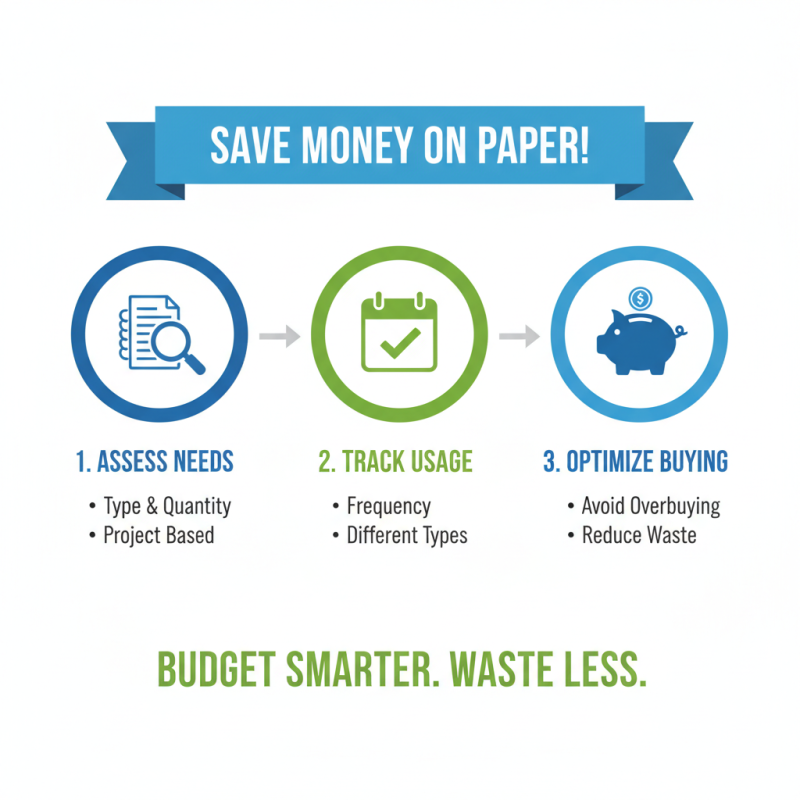
How to Assess Your Specific Needs for Paper Products
When assessing your specific needs for paper products, consider the type of projects you undertake. A study by Smithers Pira indicates that the global paper market is expected to reach $500 billion by 2025. This growth reflects the diverse applications of paper. Are you printing documents, creating art, or perhaps packaging? Each purpose requires different paper qualities.
Look into paper weight and texture. Heavier stocks provide sturdiness, while lighter papers may suffice for everyday printing. For instance, a 20 lb bond paper is suitable for standard documents. However, premium glossy or matte finishes might be necessary for marketing materials. It's vital to match the paper type with your intended use.
Also, pay attention to environmental impact. A report from the Environmental Paper Network states that recycled paper production uses 60% less energy than traditional methods. This detail helps in making more informed choices. While you may prefer a cheaper option, consider the trade-offs. Cheaper paper might lead to issues like jamming or fading ink. Ultimately, reflecting on your specific needs can guide you in choosing the right paper supplies.
10 Essential Tips for Choosing the Best Paper Supplies for Your Needs
This chart displays the usefulness scores of various paper supplies based on their recommended applications. The scores range from 1 to 10, indicating how essential each type of paper is for different needs.
Sourcing Sustainable and Eco-Friendly Paper Options
When it comes to choosing paper supplies, consider sustainability as a priority. Many options today are made from recycled materials. These products help reduce waste and conserve natural resources. Look for certifications that indicate eco-friendly practices. Options labeled as "tree-free" or "processed chlorine-free" also offer sustainable benefits.
Recycled paper has a distinct texture. It often comes with visible fibers and may not have the same brightness as conventional paper. This uniqueness can appeal to certain projects. However, it may also require adjustments in printing settings. Test small batches first to ensure quality meets expectations.
Thinking about sourcing is essential. Local suppliers may offer eco-friendly options that minimize transport emissions. Additionally, packaging should be considered. Avoid excessive plastic wrappings. A little research goes a long way in finding products that align with environmental goals. Balancing quality and sustainability can feel challenging, but the benefits are worth the effort.
10 Essential Tips for Choosing the Best Paper Supplies for Your Needs - Sourcing Sustainable and Eco-Friendly Paper Options
| Tip No. |
Tip |
Details |
Eco-Friendly Option |
Sourcing Advice |
| 1 |
Assess Your Needs |
Identify the types of projects you will be working on. |
Recycled paper |
Choose suppliers who offer recycled products. |
| 2 |
Consider Paper Weight |
Different weights serve different purposes. |
Lightweight options |
Look for lightweight paper made of sustainable materials. |
| 3 |
Check the Finish |
Glossy, matte, or textured finishes impact appearance. |
Natural textured paper |
Seek suppliers with a variety of eco-friendly finishes. |
| 4 |
Look for Certifications |
Choose paper with environmental certifications. |
FSC certified paper |
Only buy from certified sources. |
| 5 |
Evaluate Color Options |
Different colors may serve different purposes. |
Earth-tone colors |
Find sources that offer a palette of eco-friendly colors. |
| 6 |
Test Durability |
Ensure the paper holds up for your intended use. |
Heavyweight recycled paper |
Request samples to test before ordering. |
| 7 |
Investigate Source Transparency |
Understand where and how paper is manufactured. |
Locally sourced materials |
Choose suppliers who are transparent about their sourcing practices. |
| 8 |
Factor in Printability |
Ensure good compatibility with printing methods. |
Inkjet-friendly eco paper |
Look for products specifically designed for print quality. |
| 9 |
Assess Cost Effectiveness |
Balance cost with quality and sustainability. |
Bulk recycled paper options |
Buy in bulk to save costs on eco-friendly products. |
| 10 |
Plan for Storage |
Ensure there’s a suitable storage method for paper. |
Biodegradable wrapping |
Find eco-friendly options for storing paper supplies. |