How to Conduct Effective Print Inspection for Quality Assurance?
In the world of printing, quality assurance is paramount. One crucial aspect is Print Inspection. This process ensures that every print meets the required standards. Effective Print Inspection identifies defects early, which saves time and costs. However, it can be challenging. Many inspectors may miss subtle flaws. Others might feel pressure to rush, leading to oversight.
Common issues include misalignment, color discrepancies, and incorrect formats. These problems often arise from equipment failure or human error. A good Print Inspection strategy should emphasize training and proper tools. Inspectors need to focus and develop a keen eye for detail. There's always room for improvement. Regular practice and review can enhance skills.
Incorporating technology can also help. Automated systems can detect errors that human eyes may overlook. Yet, it is important to remember that technology isn't flawless. Regularly revisiting processes and refining techniques can lead to better outcomes. Overall, effective Print Inspection is a continuous journey, requiring persistence and attention.
Understanding the Importance of Print Inspection in Quality Assurance
Print inspection is a critical component of quality assurance in the printing industry. According to a recent industry report, improper print quality can lead to a 25% reduction in customer satisfaction. This statistic highlights the importance of thorough inspection processes. Quality issues can arise from multiple sources such as misalignment, color inconsistencies, and substrate defects. These issues must be identified early to avoid costly reprints.
In print production, every detail matters. Inspections should focus on verifying color accuracy against standards. Research indicates that 40% of print defects are related to color discrepancies. This fact underscores the necessity for consistent monitoring. Regular checks can save time and ensure adherence to quality standards. However, many facilities still face challenges. Insufficient training of staff can lead to oversights, resulting in defective outputs reaching customers.
Furthermore, real-time inspection systems are becoming more prevalent. They can flag issues immediately, reducing error rates significantly. Yet, some companies still rely on outdated manual methods. This hesitation can lead to inefficiencies. As the industry becomes more competitive, the need for robust print inspection practices grows. Organizations that fail to adapt may find themselves at a disadvantage. Quality should never be compromised.
Key Principles of Effective Print Inspection Processes
Effective print inspection is crucial for ensuring quality. It requires attention to detail and a structured approach. The first key principle is to define clear inspection criteria. Establish what aspects of the print are most important. Focus on color accuracy, registration, and overall finish. It’s easy to overlook small defects. Even minor issues can lead to customer dissatisfaction.
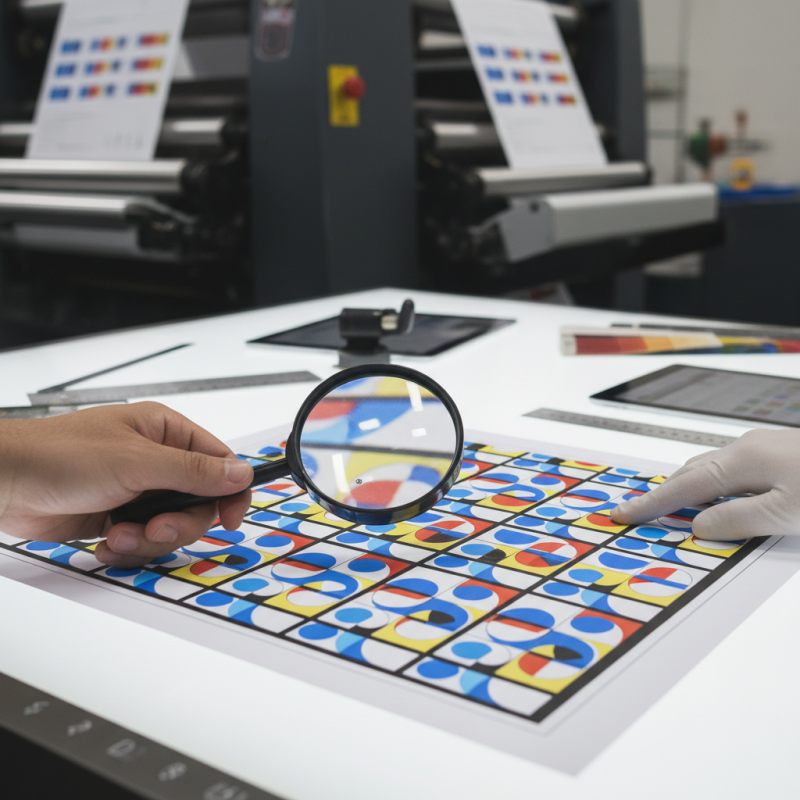
Another important principle is to utilize the right tools. Invest in magnifying glasses or digital inspection systems. These tools can help detect imperfections that are not visible to the naked eye. However, relying solely on technology isn't enough. Human judgment plays a vital role. Inspectors should be trained to spot inconsistencies and understand the standards they aim to meet. Regular training and practice are necessary for maintaining high quality.
Lastly, document your findings. Tracking defects over time can reveal patterns. This helps in identifying recurring problems in the printing process. It’s also essential to revisit and reflect on the inspection process. Are the criteria still relevant? Is the technology up-to-date? Continuous improvement is the goal, but it requires honest evaluation. Quality assurance is not just about avoiding mistakes. It’s about striving for perfection even when that goal seems out of reach.
Essential Tools and Technologies for Print Quality Assessment
Print quality assessment is critical. There are key tools and technologies that can enhance inspection. A digital camera can capture images of printed materials. This allows for detailed analysis of color accuracy and print clarity. High-resolution scans help identify imperfections such as smudges or misalignments.
Color measurement devices play a vital role too. These tools measure the color consistency against set standards. They ensure colors match from the first print to the last. Sometimes, inconsistency in color can go unnoticed until it's too late. Light booths can also aid in reflecting true colors under different lighting.
Incorporating software for quality control can improve processes. Software for image analysis detects flaws at a pixel level. Yet, reliance on technology can sometimes lead to gaps in human oversight. A balance between manual checks and automated systems is essential for effective inspection. Regular training for staff on using these technologies can enhance overall quality assurance. The combination of tools and human insight will drive better outcomes.
Print Quality Assessment - Key Metrics
Steps to Implement a Comprehensive Print Inspection Strategy
Effective print inspection is crucial for maintaining quality assurance. Implementing a comprehensive print inspection strategy involves several key steps. Start by defining clear inspection criteria tailored to specific products. This sets the foundation for consistent evaluations. Your criteria could include color accuracy, print clarity, and material integrity. Each item should have measurable benchmarks.
Incorporate regular training sessions for your inspection team. This helps keep everyone informed about the latest techniques and standards. Tips: Create a checklist for inspectors to follow during assessments. It encourages thoroughness and consistency. Also, consider applying technology to assist your team, like using scanners for color matching.
It's important to note that not every inspection will yield perfect results. Sometimes, minor defects may slip through. Encourage open discussions about these discrepancies. Reflection is key to continuous improvement. Tips: Establish a feedback loop for inspectors to express their concerns. This helps identify patterns and fosters a culture of accountability. Ensure that all team members understand they play a vital role in upholding quality standards.
Common Challenges in Print Inspection and How to Overcome Them
Print inspection plays a crucial role in quality assurance. However, several challenges can hinder effective inspection processes. One common issue is inconsistent color calibration. Variations can lead to products that don’t match expected standards. Inspectors may overlook these discrepancies, resulting in significant quality issues.
Another challenge is the complexity of print designs. Detailed patterns or intricate graphics can easily pass through inspection unnoticed. Inadequate training for staff often exacerbates this issue. Inspectors might lack the skills to identify subtle flaws. Continuous education is essential, yet it's frequently neglected.
Moreover, time constraints can pressure teams to rush through inspections. Many feel they must prioritize speed over accuracy. This compromises quality and customer satisfaction. A balance is needed between efficiency and thorough assessment processes. Addressing these challenges requires a commitment to improved training and a shift in mindset towards quality.