In the quest for sustainable solutions, packaging paper has emerged as a vital component in eco-friendly shipping. Dr. Emily Green, a renowned expert in sustainable materials, emphasizes that "packaging paper can redefine the future of shipping." This statement highlights the growing significance of using environmentally responsible materials.
The importance of packaging paper stems from its recyclability and biodegradability. Traditional plastic materials become waste that harms the environment. In contrast, transitioning to packaging paper reduces landfill contributions and minimizes carbon footprints. Companies are increasingly choosing natural papers made from recycled materials or sustainable forestry. These choices reflect a commitment to the planet.
However, challenges persist. Not all packaging paper options provide the same level of durability. Some types may not withstand rough handling during shipping. This inconsistency raises questions about choosing the right type of packaging paper. Companies must assess their needs carefully while being mindful of their environmental impact. There is still much to learn and improve in the packaging paper industry.

When it comes to eco-friendly packaging, several types of paper stand out. Recycled paper is a popular choice. It reduces waste and saves resources. Many shipping companies now favor kraft paper. It is strong, biodegradable, and made from recycled materials. The natural look of kraft adds a rustic touch.
Consider using tissue paper as well. It can wrap items securely without adding bulk. It's lightweight and recyclable, making it a good fit for shipping. Another option is newsprint. It’s inexpensive and effective for cushioning fragile items. The challenge is that it can smudge. Customers might not appreciate ink on their products.
**Tips:** Always opt for unbleached paper. This reduces chemical use. Use minimal coatings to maintain recyclability. Remember, every small choice counts. Assess your packaging regularly. Are you doing enough for the planet? Consider how these materials can elevate your brand while being eco-conscious.
Recycled paper is gaining traction in packaging solutions. It not only minimizes waste, but also reduces the demand for raw materials. According to the EPA, recycling just one ton of paper can save 17 trees. This shows how impactful recycling can be in preserving our forests.
Using recycled paper for shipping can significantly lower carbon footprints. A report by the Forest Stewardship Council indicates that recycled fibers use 30% less energy compared to virgin fibers. Even with the benefits, some companies hesitate. They worry about quality and durability. However, recycled paper has come a long way. Many papers now meet rigorous standards for strength and performance.
Investing in recycled packaging could also enhance brand reputation. A survey by Nielsen found that 66% of consumers are willing to pay more for sustainable products. This demand is growing. Challenges do exist in sourcing high-quality recycled materials. Companies must continuously improve their processes. Embracing recycled paper means committing to ongoing development.
When it comes to eco-friendly shipping, Kraft paper stands out as a popular choice. According to industry reports, Kraft paper is recyclable, biodegradable, and offers durability. It's made from wood pulp, making it less harmful to the environment. In fact, about 70% of Kraft paper can be recycled, which is significant for reducing waste.
While Kraft paper is a top contender, other eco-friendly options also deserve attention. For instance, recycled paper is becoming more prevalent. It's made from post-consumer materials, which helps in conserving resources. Another option is biodegradable packing peanuts, offering a lightweight and cushioning solution. Studies show these alternatives are effective for protecting products during transit, but they may not have the same strength as Kraft.
Not all eco-friendly options perform equally. Some studies indicate that recycled papers can be less durable than new Kraft paper. This raises questions about the effectiveness of sustainable choices. Finding the right balance between eco-friendliness and product protection can be challenging. Businesses need to assess their shipping needs carefully to choose the most suitable packaging materials.
| Type of Paper | Material Source | Recyclability | Strength | Suitability for Shipping |
|---|---|---|---|---|
| Kraft Paper | Wood Pulp | Yes | High | Excellent |
| Recycled Paper | Recycled Materials | Yes | Medium | Good |
| Organic Paper | Plant Fibers | Yes | Low | Limited |
| Parchment Paper | Wood Pulp | Yes | Medium | Good |
| Biodegradable Paper | Corn Starch & Other Biopolymers | Yes | Medium | Good |
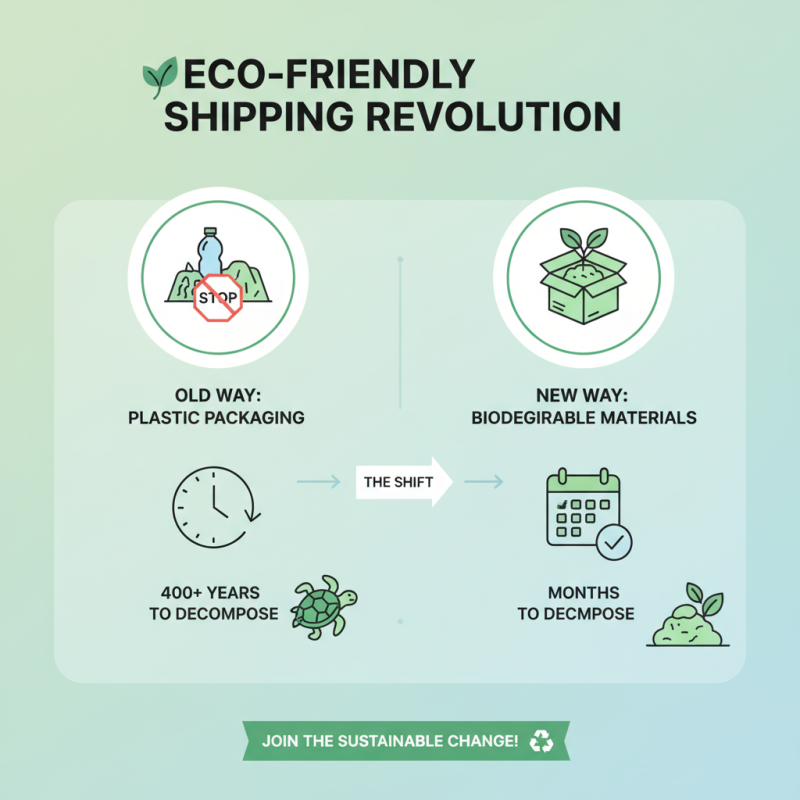
The shift towards eco-friendly shipping solutions is evident. Many companies are adopting innovative biodegradable packaging materials. Traditional plastic materials take hundreds of years to decompose. In contrast, biodegradable options can break down within months under suitable conditions.
Recent studies indicate that the global green packaging market is projected to reach $400 billion by 2027. This growth reflects a growing consumer demand for sustainable practices. Materials like mushroom packaging and plant-based films are becoming popular. They not only reduce waste but are also cost-effective. However, transitioning requires adequate infrastructure and consumer education.
Yet, challenges remain. Not all biodegradable materials meet environmental standards. Some may still contribute to pollution if not properly disposed of. Companies must evaluate the impact of their packaging choices. There's no one-size-fits-all solution. It's crucial to keep improving. The journey towards sustainability is ongoing and complex.
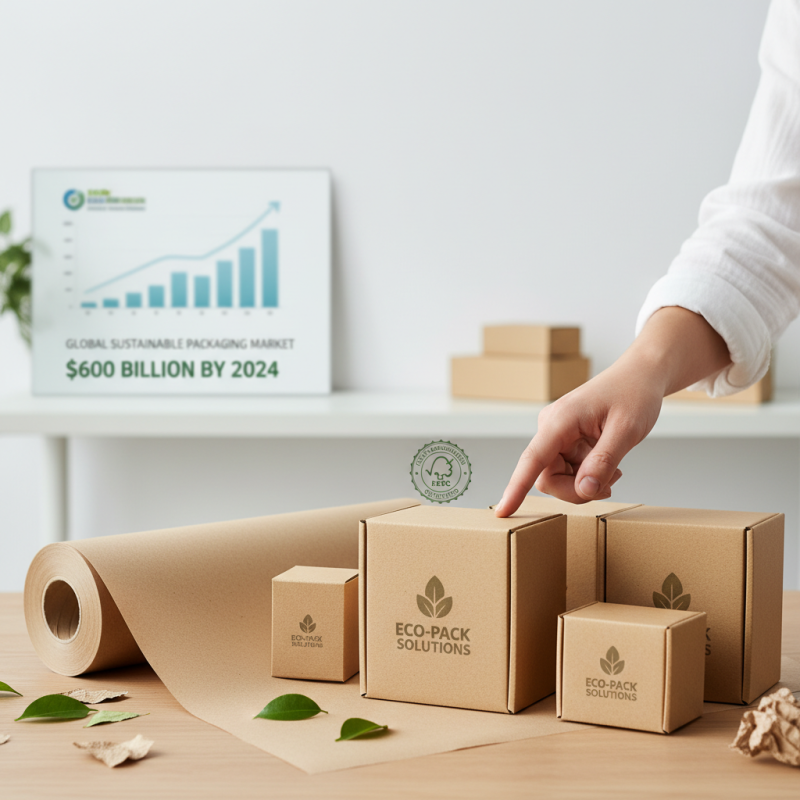
Sourcing eco-friendly packaging paper requires careful consideration of several factors. According to a recent report by Smithers Pira, the global market for sustainable packaging is projected to reach $600 billion by 2024. This trend shows a growing commitment to sustainable materials. Companies should prioritize papers made from recycled content. It is essential to investigate the source of the fibers. Not all recycled papers maintain the same quality or environmental benefits.
Using biodegradable inks and adhesives is another key factor. Many brands overlook this aspect, which can undermine their eco-friendly efforts. A study by the Sustainable Packaging Coalition found that only 30% of packaging companies actively use these alternatives. Consumers are increasingly aware of these details. Packaging that is both functional and eco-conscious resonates better with them.
Testing the durability of eco-friendly packaging can be challenging. Many products require specific qualities that are often lacking in green alternatives. It’s crucial to balance sustainability with performance. Regular reviews and updates on sourcing practices can reveal new solutions. Keeping abreast of industry standards may help refine strategies over time. Embracing innovation will certainly drive better choices.