How to Achieve Easy Setup for Your Trade Show Booth?
Setting up a trade show booth can be daunting, but it doesn't have to be. An "Easy Setup Trade Show Booth" offers a streamlined approach that reduces stress and maximizes efficiency. Imagine walking into an event with your booth ready to go, allowing you to focus on connecting with potential clients. Simple setup options not only save time but can also enhance your overall presentation.
A well-designed booth can impact your success at trade shows. It can attract attention and improve engagement. However, the process of setup often feels overwhelming. With the right strategies, achieving an easy setup becomes attainable. Choose modular components and lightweight materials that facilitate quick assembly. This approach not only saves time but also allows for adjustments onsite.
Reflecting on past experiences, many exhibitors realize they could have improved their setup process. Mistakes happen; some find themselves scrambling at the last moment. An effective planning phase mitigates these challenges, helping to prevent stressful situations. The path to a hassle-free setup lies in preparation and choosing reliable resources. Embracing these tips can truly transform your trade show experience.
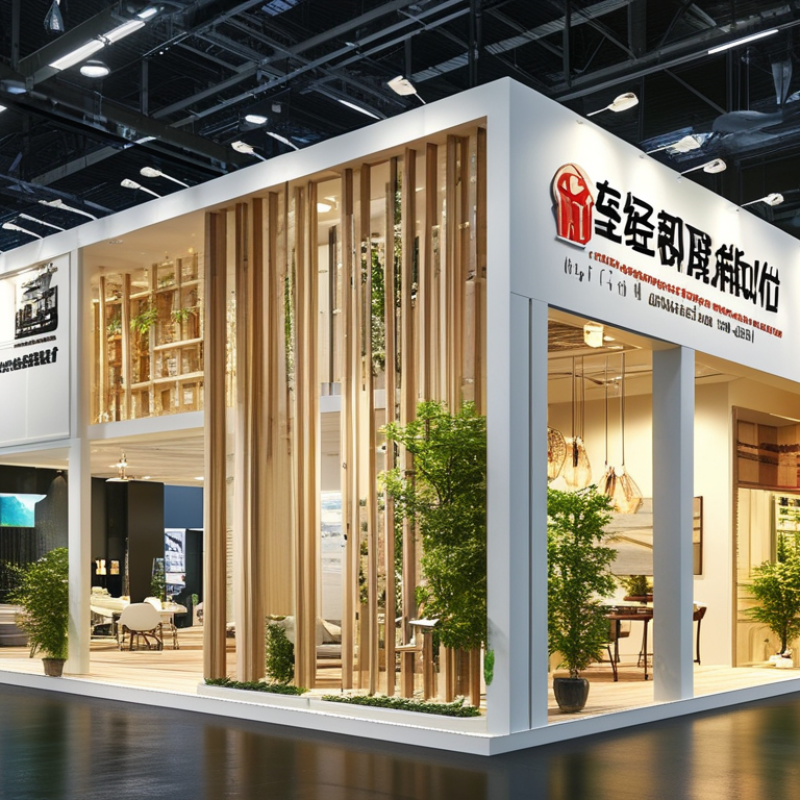
Best Practices for Designing an Easy-to-Setup Trade Show Booth
Designing an easy-to-setup trade show booth is crucial for maximizing efficiency. According to a survey by the Exhibit Designers and Producers Association, nearly 70% of exhibitors cite setup and dismantling ease as a top priority. When planning your booth, simplicity is key. Opt for modular components that easily fit together. This can significantly reduce setup time and labor costs.
Another best practice involves pre-show testing. Setup your booth in-house before the event. This ensures all pieces are functional and compatible. It also helps identify potential issues. A 2021 report from the Center for Exhibition Industry Research highlighted that booths requiring less than four hours to set up saw increased attendee engagement. Simplicity can impact success.
Don't overlook the importance of clear instructions. Many exhibitors struggle with poorly written or vague setup guides. Ensuring your team understands the process can prevent confusion. Companies that invest in easy-to-follow instructions often experience smoother setups and higher satisfaction. Over time, reflecting on feedback can lead to improved designs and processes.
Essential Tools and Equipment for Quick Booth Assembly
Setting up a trade show booth can be overwhelming. However, with the right tools and equipment, you can streamline the process. Start with modular display systems. They are lightweight, easy to assemble, and can be customized to fit various spaces. Consider using pop-up banners, which provide effective branding without the complexity of traditional displays.
Don’t overlook the importance of portable furniture. Folding tables and stackable chairs save space and time. Use cases that double as storage can enhance efficiency. Think about LED lighting as well; it not only attracts attention but also creates a welcoming atmosphere. Make sure to have all these tools organized for quick access.
It’s essential to test your setup ahead of time. Familiarize yourself with the assembly process. Mistakes can happen, so allow yourself time to adjust. Keeping a checklist can prevent last-minute chaos. Reflecting on past experiences can also guide improvements for future shows. It’s a learning curve, and each event offers lessons that can refine your approach.
Steps to Streamline Exhibit Dismantling and Setup Process
Setting up and dismantling a trade show booth can often feel overwhelming. However, a streamlined approach can make a huge difference. Begin by creating a clear plan. This involves having a detailed checklist and timeline for each step. Include specifics about booth assembly, equipment needs, and staff roles. Visual aids can enhance understanding for your team. Draw diagrams showing booth layout or equipment positions.
Dismantling is just as crucial. Schedule enough time and convey each team member’s responsibilities. Often, people underestimate the dismantling process, leading to unnecessary stress. Ensure all packing materials are ready and organized. When the show ends, each person should know what to do. Mistakes may happen, such as forgetting equipment or misplacing items. Learning from these experiences will help improve future setups.
Consider keeping detailed notes on what worked well and what didn’t. This practice encourages reflection and growth. Over time, these insights will lead to smoother processes. Experience is a great teacher, so embrace each challenge along the way. Making adjustments after each event will enhance efficiency. Ultimately, the goal is to create a setup that feels easy and manageable for everyone involved.
Leveraging Modular Booth Systems for Efficiency and Flexibility
In today's competitive landscape, efficiency and flexibility are crucial for trade show success. Modular booth systems offer an ideal solution. Reports show that modular designs can reduce setup time by over 30%. This efficiency allows exhibitors to focus more on engaging with potential clients rather than logistical issues.
Modular booths adapt easily to different spaces. This versatility means that exhibitors can customize their setups based on the venue size and audience. A study indicated that 70% of exhibitors prefer modular systems for this reason. However, a downside is that assembling these systems requires knowledgeable personnel. Inadequate setup can lead to a lackluster impression on attendees.
Furthermore, the cost-effectiveness of modular booths cannot be ignored. Investing in a modular system can save future expenses on new designs. Yet, some may find the initial investment daunting. It's essential to weigh these factors carefully. Balancing flexibility and cost is a complex task, but the potential benefits are significant for those willing to invest time and effort.
Tips for Training Staff on Quick Setup Techniques and Procedures
Training your staff effectively is key to a smooth trade show booth setup. Start by identifying staff members who will participate in the process. Gather them for a hands-on workshop. Use real equipment and setup materials. This practical experience is invaluable.
Develop clear, step-by-step procedures. Create a checklist tailored to your booth's design. Include specific tasks like assembling structures, arranging displays, and connecting technology. Encourage your team to ask questions and practice. This reinforces learning and builds confidence.
Monitor outcomes during initial setup attempts. Offer guidance and prompt feedback. Reflect on what worked and what didn't. By fostering an open environment, your team will adapt and improve. Ultimately, empowering your staff with practical skills will ensure a quick and efficient setup each time.
Time Required for Different Booth Setup Techniques