How to Choose the Best Poly Packaging for Your Business Needs?
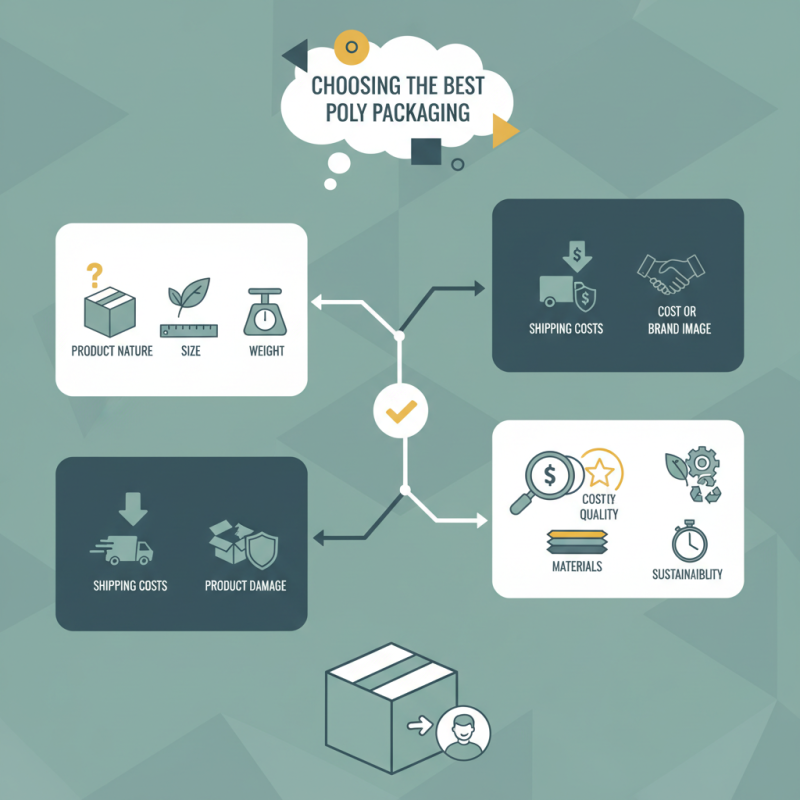
Choosing the right poly packaging is crucial for any business. It influences both product protection and customer satisfaction. Many factors come into play during this selection process. For example, consider the product's nature, size, and weight when choosing poly packaging.
Effective packaging can reduce shipping costs and minimize product damage. However, some companies overlook these details, leading to increased expenses. It's important to match the packaging type with the product type. A mistake here could lead to customer disappointment.
Reflecting on your options is necessary. Are you prioritizing cost over quality? This could affect your brand image. Understanding poly packaging materials will improve your decision-making. Keep efficiency and sustainability in mind when evaluating your choices. Every business is unique, so tailor these solutions to fit your specific needs.
Understanding Different Types of Poly Packaging Materials
When selecting poly packaging, it’s crucial to understand the different types available. Polyethylene and polypropylene are the most common materials. Polyethylene is known for its flexibility and durability. It works well for bags and films that require stretch. Polypropylene, on the other hand, offers more rigidity and clarity, making it a suitable choice for items needing higher visibility.
Different thicknesses and textures can also influence your choice. Thicker materials generally provide better protection. Soft-touch finishes can enhance the consumer's unboxing experience. It’s important to consider how these factors align with your product requirements. There may be a trade-off between durability and cost. Assessing each aspect carefully can lead to better decisions.
Lastly, consider the environmental impact of your choice. Not all poly materials are recyclable. Some businesses face challenges meeting sustainability goals. Reflecting on these details can lead you to a more informed decision. Embracing alternatives or innovative solutions may also be necessary in evolving markets. Being conscious of both functionality and environmental effects will ultimately benefit your business.
Assessing Your Business's Unique Packaging Requirements
When assessing your business's unique packaging requirements, start by understanding your product. Is it fragile? Does it require temperature control? These factors significantly influence your choice. For instance, a delicate item may need extra cushioning. On the other hand, perishable goods demand insulation. Consider the potential risks during storage and transport.
Next, think about your target market. What do your customers value? Eco-friendly options are increasingly popular. However, this approach may limit your choices. You might need to strike a balance between sustainability and cost. Test different materials and designs. Observe customer feedback and reflect on the effectiveness of your current packaging. Are there any complaints about durability or usability? Less than perfect results can lead to valuable insights.
Lastly, consider the scalability of your packaging solutions. Can your chosen materials and designs adapt as your business grows? It’s essential to be proactive here. Infrastructure changes can be costly. Packaging should support your growth, not hinder it. Think about long-term partnerships with suppliers. This could streamline your process and reduce waste. Examine every detail to ensure your packaging meets evolving business needs.
How to Choose the Best Poly Packaging for Your Business Needs?
| Packaging Type |
Material Thickness (mil) |
Closure Type |
Best For |
Cost per Unit ($) |
| Flat Poly Bags |
1.5 |
Self-Seal |
Clothing, Documents |
0.10 |
| Poly Mailers |
2.5 |
Self-Seal |
E-commerce Shipping |
0.30 |
| Heavy-Duty Poly Bags |
4.0 |
Tape Seal |
Bulky Items |
0.50 |
| Zipper Bags |
2.0 |
Zipper Closure |
Food Storage, Small Items |
0.20 |
Evaluating Cost-Effectiveness of Poly Packaging Solutions
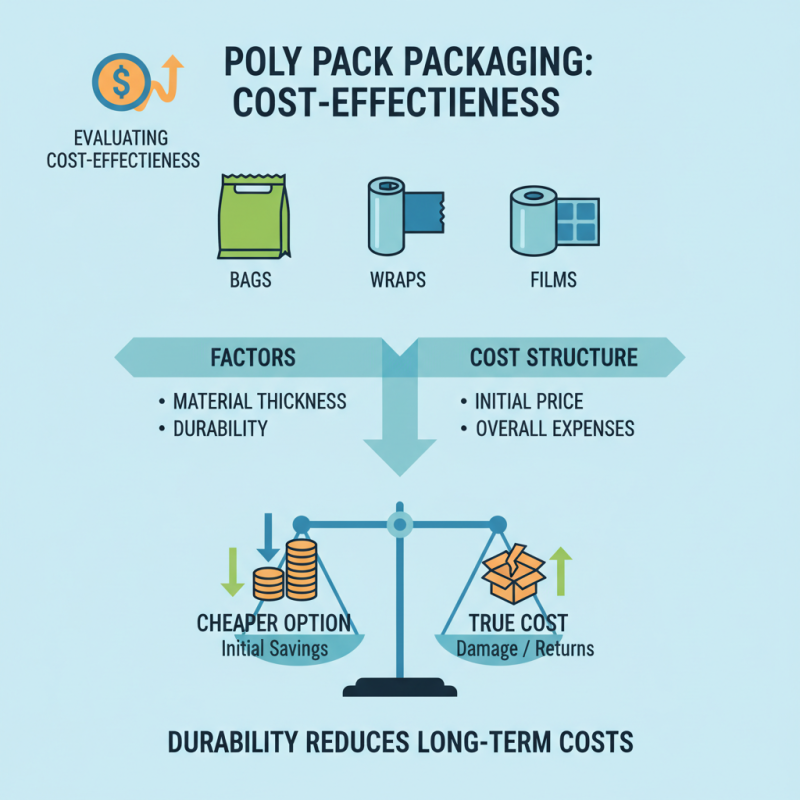
When it comes to poly packaging, evaluating cost-effectiveness is crucial for any business. Poly packaging comes in various forms, such as bags, wraps, and films. Each type has its own cost structure, which can affect your overall expenses. Consider the material thickness and durability, as these factors directly influence the price. Sometimes, a cheaper option might save money initially but lead to higher costs due to damage or product returns.
Look beyond the upfront cost. Think about the long-term implications of your choice. For instance, stronger films can reduce waste during shipping. This not only saves money but also benefits the environment. You might find that investing slightly more upfront leads to significant savings over time. Reflect on your packaging supplies regularly. Are they meeting your needs? Are you overspending on materials that don't really add value? Asking these questions can clarify your strategy.
Balancing quality and cost requires critical assessment. Test different options and gauge customer feedback. Sometimes, what seems most cost-effective may not provide the best user experience. Each material has its own strengths and weaknesses. Identifying the best fit for your business may require trial and error. Engage with suppliers to discuss various options. Their insights can also aid in your decision-making process.
Analyzing Environmental Impact of Poly Packaging Options
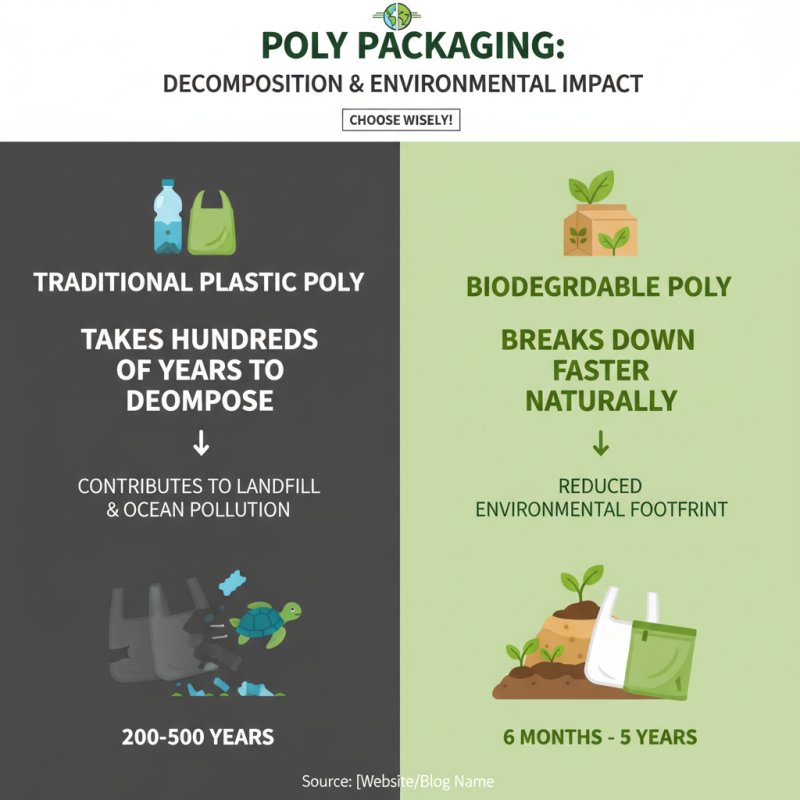
When examining poly packaging options, it’s crucial to consider their environmental impact. Traditional plastic can take hundreds of years to decompose, contributing to waste issues. However, some poly materials are designed to be more biodegradable. This means they break down faster in certain conditions, reducing their environmental footprint.
Tips: Look for packaging that specifies its biodegradability. Research how these materials break down and under what conditions. Also, consider how these options align with your company's sustainability goals.
Choosing the right poly material requires careful thought. Some have a lower carbon footprint in production. Yet, they may not provide the durability you need. It’s a balancing act. Evaluate the life cycle of the packaging. Consider its use, disposal, and potential for recycling.
Tips: Always ask suppliers about their environmental practices. Understand where the materials come from. This can dramatically affect their overall impact. Be reflective about your choices. Are you prioritizing convenience over sustainability?
Selecting Suitable Suppliers for Poly Packaging Needs
When selecting suppliers for poly packaging, understanding your specific needs is crucial. The right supplier can make a significant difference. In 2022, a study found that 70% of businesses reported improved efficiency after switching to specialized packaging suppliers. This indicates that choosing wisely can enhance operational workflow and cut costs. It's essential to evaluate potential partners based on their product quality, delivery speed, and customer service.
While exploring suppliers, inconsistencies and flaws may arise. For instance, product samples may not always match standards. In a recent survey, 45% of companies expressed dissatisfaction with initial samples from suppliers. This emphasizes the importance of rigorous testing before committing to larger orders. An effective supplier should be open to customization based on your needs. Additionally, verifying a supplier’s sustainability practices is increasingly vital. According to industry reports, 55% of consumers prefer businesses that demonstrate eco-friendly packaging options.
Be wary of overly rigid contracts. Flexibility can often indicate a supplier’s willingness to adapt to changing business needs. In one analysis, 40% of businesses faced challenges in contract negotiations with packaging suppliers. Thus, having clear communication upfront is essential. Make sure you understand all terms before proceeding. Fostering a strong relationship with your supplier can lead to better outcomes in the long run.