How to Choose the Best Packing Paper for Your Shipping Needs
When it comes to shipping items securely, the selection of packing paper is a crucial element that can significantly impact the safety of your packages. Packing paper serves not only as a protective layer but also as a cushioning material that keeps your items safe from damage during transit. Given the variety of options available in the market, choosing the best packing paper for your shipping needs can seem overwhelming. However, understanding the different types of packing paper and their specific functions can help streamline your decision-making process.
In this guide, we will explore the various factors to consider when choosing packing paper, including thickness, material composition, and environmental impact. Each type of packing paper offers unique benefits, whether it's for fragile items or general shipping purposes. By evaluating your specific requirements and preferences, you can select packing paper that provides optimal protection for your shipments. Ultimately, making an informed choice will not only enhance the safety of your items but also contribute to a more efficient shipping process.

Types of Packing Paper Available for Shipping Needs
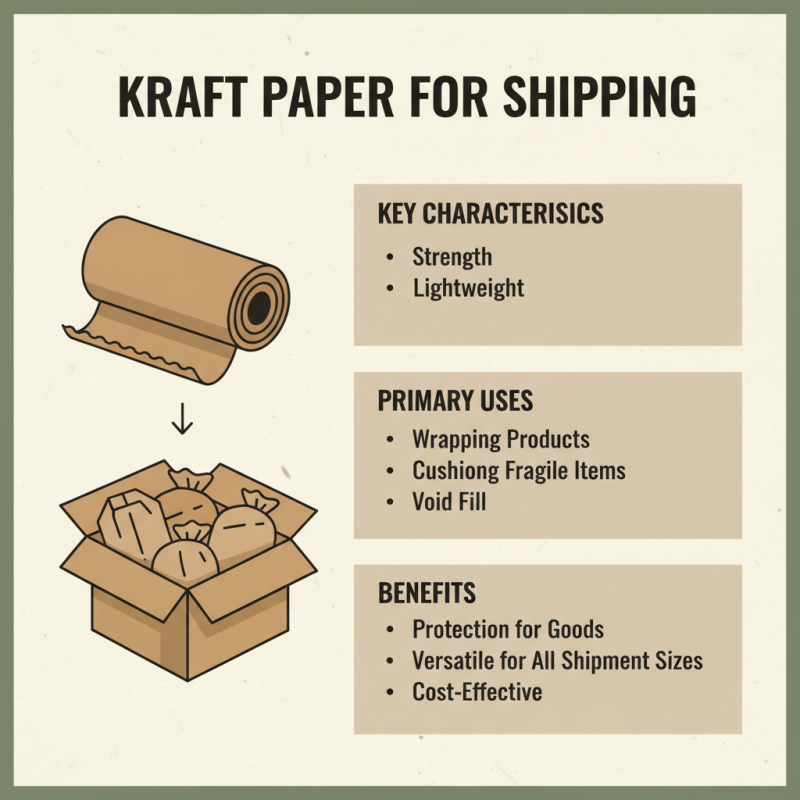
When selecting packing paper for your shipping needs, it’s essential to understand the various types available. One of the most common types is kraft paper, known for its strength and durability. Kraft paper can effectively protect fragile items while also being lightweight. It is often used for wrapping and cushioning products, making it a reliable choice for both small and large shipments.
Another option is tissue paper, which is typically lighter and used for wrapping items that require extra finesse. Tissue paper comes in various colors and can be used to add a decorative touch to your packaging. Although it’s not as strong as kraft paper, it is perfect for filling empty spaces and preventing items from moving during transit. Additionally, recycled packing paper is an environmentally friendly choice that maintains the necessary protective qualities while promoting sustainability.
Ultimately, the choice of packing paper depends on the nature of your products and the level of protection required during shipping. By evaluating the different options available, you can ensure that your items are well-protected and delivered in excellent condition.
Factors to Consider When Choosing Packing Paper
When choosing the best packing paper for your shipping needs, several factors come into play. First and foremost, consider the type of items you will be shipping. For fragile items, thicker paper or specialized cushioning materials would be more suitable. On the other hand, lightweight items might only require basic packing paper. The size and shape of your shipment also affect your choice; larger packages may need wider sheets or multiple layers of packing material to ensure proper protection.
Tips for selecting the right packing paper include assessing the density and weight of the paper. A heavier, denser paper can provide better cushioning for fragile items, while lighter paper is ideal for wrapping less delicate products. Additionally, look for eco-friendly options if sustainability is a priority for your business. Recyclable or biodegradable packing paper can help reduce your environmental footprint while still providing adequate protection during shipping.
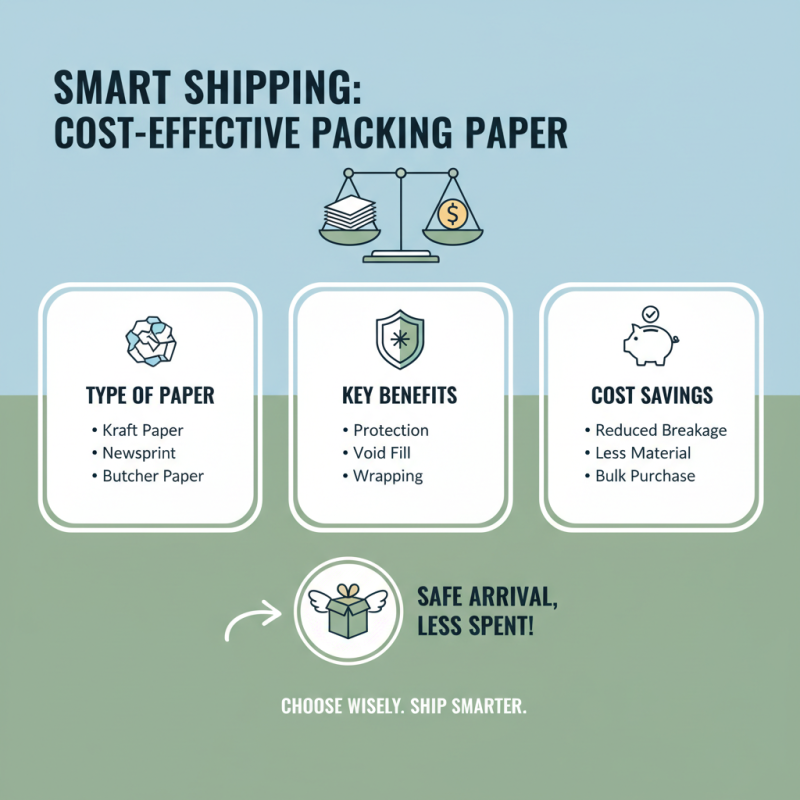
Another important factor is cost-effectiveness. Compare different types of packing paper and calculate their overall cost based on your shipping volume. Choosing the right packing material can significantly impact your shipping expenses without compromising on the safety of your items. Always balance quality with cost to find a packing solution that meets your needs effectively.
How to Choose the Best Packing Paper for Your Shipping Needs
| Factor |
Description |
Recommended Use |
| Material Type |
Choose between kraft paper, newsprint, or tissue paper based on the impact resistance needed. |
Kraft paper for heavy items, newsprint for delicate items, tissue for light cushioning. |
| Weight |
Consider the weight of the paper which affects shipping costs and product protection. |
Heavier papers for fragile items, lighter for less valuable products. |
| Thickness |
The thickness indicates the durability and protective quality of the paper. |
Thick paper for shipping glass and ceramics, thinner paper for textiles. |
| Recyclability |
Eco-friendly options that can be recycled or composted. |
Choose recyclable papers for sustainable shipping. |
| Cost |
Balance between cost-effectiveness and the level of protection required. |
Choose economical options for bulk shipping, premium for high-value items. |
How to Evaluate Packing Paper Quality and Durability
When evaluating packing paper for your shipping needs, quality and durability are paramount to ensure that your items arrive intact and undamaged.
First, consider the material composition of the packing paper. A heavier basis weight generally indicates a stronger paper, suitable for cushioning delicate items.
Recycled paper can also be a great option, offering both durability and environmental benefits. Look for papers that are specifically designed for packing, as these often boast reinforced structures that provide better protection against tearing and punctures during transit.
Another critical aspect to assess is the paper's moisture resistance. Packing paper that is treated or coated to resist moisture can significantly enhance the protection of your items, especially if they may be exposed to varying temperatures and humidity levels during shipping.
Additionally, take note of the paper's flexibility; it should be easy to crumple and mold around items, providing a snug fit that minimizes movement within the shipping box.
Conducting a simple tear test can help evaluate the overall durability, ensuring that the paper can withstand the rigors of handling and transportation without compromising the safety of the contents.
Sustainability Options for Eco-Friendly Packing Paper
When selecting packing paper for shipping, eco-friendliness has become a vital consideration for many consumers and businesses alike. Sustainable packing paper options not only reduce the environmental impact but also cater to the growing demand for responsibly sourced materials. Recycled paper is a popular choice, as it utilizes waste material and reduces deforestation, resulting in a lower carbon footprint. By choosing packing paper made from 100% recycled content, shippers can ensure that they contribute positively to waste management efforts.
Beyond recycled paper, biodegradable packing materials are gaining traction. These products break down more naturally after disposal, alleviating the burden on landfills. Materials such as kraft paper, which is derived from renewable sources, are often unbleached and free from harmful chemicals, making them a safe choice for both the environment and consumers. Additionally, there are innovative options like mushroom-based packaging and other plant-based papers that offer effective protection while being completely compostable. By opting for these sustainable choices, businesses can align their shipping practices with an environmentally conscious ethos, appealing to a customer base increasingly aware of ecological issues.
Tips for Cost-Effectiveness in Packing Paper Selection
When it comes to selecting packing paper for your shipping needs, cost-effectiveness plays a crucial role. Choosing the right type of packing paper can not only save you money but also ensure that your items arrive safely at their destination. It's essential to weigh your options carefully before making a purchase, as different materials serve different purposes.
One effective tip for cost-effective packing paper selection is to buy in bulk. Purchasing larger quantities can significantly reduce the cost per unit, allowing you to save money in the long run. Additionally, consider using recycled packing paper, which is often cheaper and offers an eco-friendly solution. This not only helps the environment but can also appeal to customers who value sustainability.
Another valuable approach is to assess the nature of the items you're shipping. For fragile items, investing in thicker packing paper may prevent damage and reduce the likelihood of returns. Conversely, for sturdier products, lighter packing options may suffice, helping you keep costs down. By tailoring your packing paper choice to your shipping needs, you can strike a balance between safety and cost efficiency.