How to Choose the Right Bubble Packaging for Your Products?
When selecting the right bubble packaging for your products, the choices can be overwhelming. As Alex Turner, a packaging industry expert with over 15 years of experience, once said, “Choosing the right bubble packaging can save you money and enhance customer satisfaction.” His insights reflect the importance of carefully considering your product's needs during packaging selection.
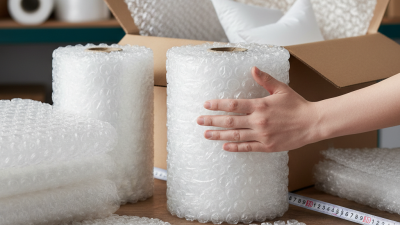
Bubble packaging comes in various forms, such as air pillows, wrap, or sheets. Each type serves a distinct purpose. For fragile items, the thickness and size of the bubbles matter. A larger bubble size can offer better cushioning, while smaller bubbles provide flexibility. These details are crucial for ensuring the safety of your products during shipping.
It's easy to overlook the role of bubble packaging in customer satisfaction. Poor choices can lead to damaged items and disappointed customers. Therefore, investing time in understanding your product's requirements is essential. Remember, what works for one product may not suit another. Thoughtful selection can make a significant difference.

Understanding the Importance of Bubble Packaging for Product Protection
Bubble packaging plays a vital role in ensuring the safety of products during shipping and handling. In fact, studies show that nearly 30% of items returned to retailers are damaged during transit. This statistic underscores the necessity of using effective protective materials like bubble wrap. Bubble packaging provides a cushioning effect, reducing the risk of impact damage.
Moreover, a report from the Flexible Packaging Association states that properly packaged products can decrease returns by up to 50%. This is significant for businesses looking to enhance customer satisfaction while minimizing costs associated with returns. Selecting the right bubble packaging involves understanding the size and fragility of your products.
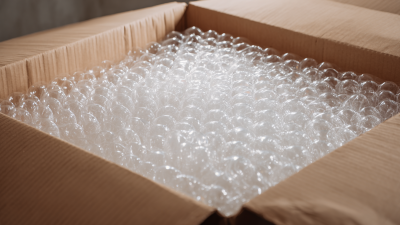
While bubble wrap is often viewed as a simple solution, not all types are created equal. There are different sizes and thicknesses of bubbles, each suited for specific applications. Larger bubbles offer more cushioning, while smaller ones provide a tighter fit. Choosing the right option requires careful consideration. It’s crucial to assess not only the product dimensions but also the shipping conditions. Using inadequate packaging can lead to lost revenue and damaged relationships with clients.
Bubble Packaging Usage Statistics by Product Type
Different Types of Bubble Packaging and Their Uses
Bubble packaging is essential for protecting products during shipping and storage. Understanding the different types of bubble packaging can help you choose the right solution.
Standard bubble wrap is widely used. It comes in various sizes and is ideal for fragile items. Smaller bubbles provide cushioning for delicate products, while larger bubbles suit heavier items. This versatility allows for both lightweight and heavy-duty applications.
Air pillows offer another option. They are lightweight and take up less space. This makes them cost-effective for shipping. However, they may not provide as much cushioning as traditional bubble wrap. For unique shapes, custom bubble packaging is available. It molds around your product, ensuring a snug fit. Each type has its pros and cons. Reflecting on your specific needs will guide you to the best choice.
Factors to Consider When Selecting Bubble Packaging
When selecting bubble packaging, evaluating your product's specific needs is crucial. Consider the size and weight of the items. Heavier products require thicker bubble wrap to ensure protection. Conversely, lighter items may suffice with thinner materials. The type of product also matters; fragile items like glass or ceramics benefit from larger bubbles that provide cushioning.
Additionally, think about the shipping environment. If your products travel through rough conditions, better protective packaging is essential. Temperature fluctuations can also impact certain types of bubble wrap. Some materials easily degrade under extreme conditions. Always assess the longevity and performance of the packaging.
Finally, reflect on sustainable options. Many industries are shifting to eco-friendly solutions. While traditional bubble wrap offers excellent protection, consider alternatives that may not be perfect in all scenarios but align with eco-conscious practices. This balance between effective protection and environmental responsibility can be challenging but worthwhile.
How to Choose the Right Bubble Packaging for Your Products? - Factors to Consider When Selecting Bubble Packaging
| Factors |
Considerations |
Examples |
| Product Size |
Determine bubble size based on product dimensions |
Small items (3/16” bubbles) vs. larger items (1/2” bubbles) |
| Weight of Products |
Choose thickness based on product weight |
Lightweight (single layer) vs. heavyweight (double layer) |
| Transport Method |
Consider shipping conditions and distance |
Air vs. ground shipping |
| Environmental Concerns |
Choose recyclable or biodegradable options if necessary |
Recycled bubble wrap, eco-friendly alternatives |
| Cost |
Calculate packaging costs vs. product value |
Bulk purchase discounts vs. single-use |
| Aesthetic Appeal |
Consider branding and visual presentation |
Custom prints or colors |
Sizing and Customization Options for Bubble Wrap
When selecting bubble packaging, sizing and customization are crucial. The right size ensures proper protection while minimizing excess material. A study by the Packaging Digest indicates that 69% of products are damaged during shipping due to inadequate packaging. This highlights the importance of choosing the correct bubble wrap size based on the product dimensions.
Customization options also play a vital role. Different products require various bubble sizes and densities. Standard bubble wrap offers cushioning, but larger bubbles provide extra protection for fragile items. According to a report from Smithers Pira, the demand for customized packaging has increased by 22% over the past five years. Customization allows businesses to enhance user experience while reducing waste.
While many companies focus solely on cost, they often overlook how the wrong bubble wrap can lead to returns and customer dissatisfaction. Measuring and analyzing product dimensions is essential. Inadequate sizing can negate the benefits of bubble wrap. It is wise to review packaging performance regularly. A tailored approach not only protects products but also builds trust with customers. Adapting packaging strategies to the specific needs of items can significantly improve delivery outcomes.
Cost-Effectiveness of Various Bubble Packaging Solutions
Choosing the right bubble packaging can significantly impact your shipping costs and product safety.
Various types of bubble wraps are available, each offering unique benefits. Consider their cost-effectiveness
in relation to the protection they provide. Some bubble wraps are more expensive but offer superior cushioning,
while others are budget-friendly yet might not endure the rigors of transport as well.
When selecting bubble packaging, assess the weight and fragility of your products. Lightweight items may not
require heavy-duty bubble wrap. For delicate goods, investing in thicker bubble layers is wise. This reduces
the risk of damage, which could lead to costly returns. Still, weigh this against your budget constraints.
Research alternative materials too. Paper cushioning can be a cost-effective and sustainable option.
Consider the scale of your operations. Smaller shipments might benefit from standard bubble packs.
Larger volumes could make custom solutions more appealing in terms of pricing. Monitor your costs regularly.
What seems affordable now may not be sustainable in the long run. Continuous evaluation of packaging solutions is essential
for optimizing expenses without compromising quality.