How to Choose the Best Packaging Solutions for Your Business Needs
In today's rapidly evolving marketplace, selecting the right packaging solutions is crucial for businesses aiming to optimize their operations and enhance customer satisfaction. According to a report by Smithers Pira, the global packaging market is projected to reach approximately $1 trillion by 2024, driven by increasing consumer demand for sustainable and innovative packaging options. This surge highlights the importance of strategic decision-making in selecting packaging materials that not only fulfill functional requirements but also align with environmental goals.
Navigating the multitude of options available in packaging solutions can be daunting. A recent survey by the Packaging Machinery Manufacturers Institute (PMMI) revealed that 65% of manufacturers prioritize packaging that improves product protection while 58% emphasize sustainability. These statistics underscore the significance of incorporating both durability and eco-friendliness in packaging strategies. As businesses strive to differentiate themselves in a crowded market, understanding the crucial factors that influence packaging choices—such as cost, versatility, and sustainability—becomes essential in creating effective packaging solutions tailored to specific business needs.

Understanding Your Business's Packaging Requirements
Understanding your business's packaging requirements is crucial for selecting the best packaging solutions. Every business has unique needs based on factors such as the type of products, distribution methods, and target audience. For example, fragile items may require cushioning materials to prevent damage during shipment, while food products must comply with safety regulations to ensure freshness. Identifying these specific needs will allow you to narrow down the options and find packaging that enhances your product's appeal and integrity.
Tips: Start by assessing your product dimensions, weight, and any special handling instructions. Create a checklist that outlines your packaging priorities, such as sustainability, cost-efficiency, and brand representation. This will help you stay organized and focused when exploring different packaging materials and styles.
Additionally, consider the entire life cycle of your packaging. Does it need to be eco-friendly, or can it be more cost-effective for bulk orders? Think about your end-user experience—packaging that is easy to open or reusable can significantly impact customer satisfaction and retention. Engage with suppliers who can provide samples and advice tailored to your business’s specific requirements.
By closely examining these factors, you can ensure that the packaging solution you choose not only meets practical needs but also reflects your brand’s values and enhances customer experience.
Evaluating Different Types of Packaging Materials
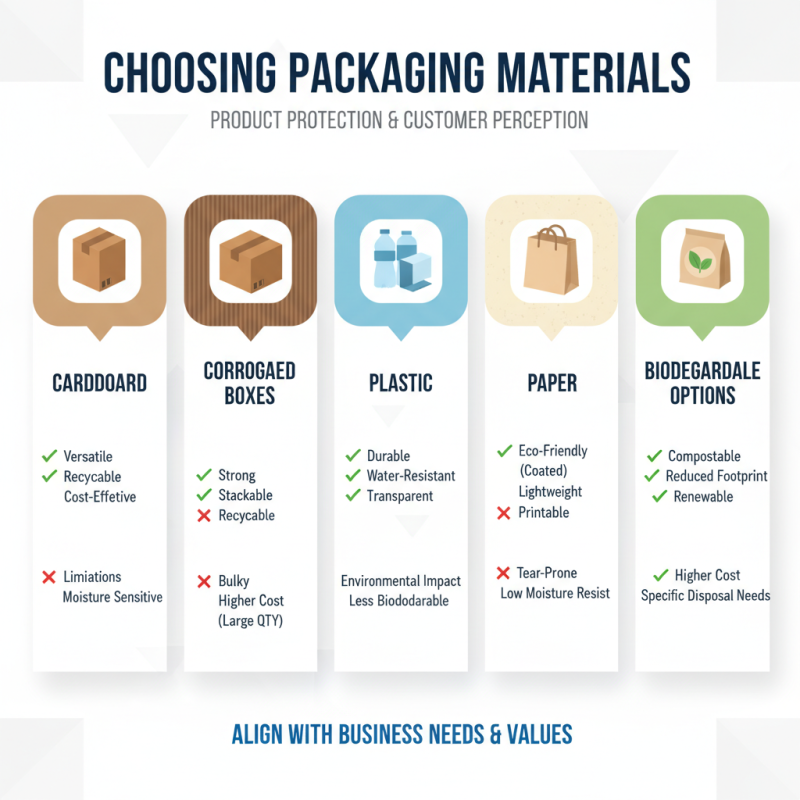
When selecting the right packaging materials for your business, it's essential to evaluate the various options available, as the material you choose can significantly impact both product protection and customer perception. Common packaging materials include cardboard, corrugated boxes, plastic, paper, and biodegradable options. Each type comes with its own set of benefits and limitations, making it crucial to align your choice with your specific business needs.
Cardboard is a popular choice due to its versatility, lightweight nature, and cost-effectiveness. It provides ample protection for products during transit while being easy to customize for branding purposes. In contrast, plastic packaging offers durability and waterproof properties, making it ideal for perishable items. However, environmental concerns surrounding plastic have led many businesses to consider sustainable alternatives, such as biodegradable materials or recycled paper, which have become increasingly viable options that cater to eco-conscious consumers. Evaluating the durability, cost, and environmental impact of each material will help in making an informed decision that aligns with your business goals and values.
Analyzing Cost-Effectiveness in Packaging Solutions
When selecting packaging solutions, analyzing cost-effectiveness is paramount for any business aiming to maximize its profitability. Cost-effectiveness in packaging involves evaluating not only the initial purchase price but also the total lifecycle costs associated with the materials. This includes production, shipping, storage, and potential waste disposal costs. A thorough analysis helps businesses identify solutions that minimize waste and optimize material usage, leading to long-term savings.
Additionally, businesses should consider how packaging impacts their supply chain efficiency. The right packaging can reduce shipping costs by maximizing space utilization, while also enhancing product protection during transit. Investing in durable yet lightweight materials can significantly lower transportation costs, creating a more cost-effective solution overall. Furthermore, businesses should assess the potential for automation in packing processes; streamlined operations can lead to reduced labor costs and increased throughput. By examining all these factors, companies can select packaging solutions that not only meet their operational needs but also contribute positively to their bottom line.
Sustainability Considerations for Packaging Choices
When contemplating packaging solutions, sustainability has become a pivotal consideration for businesses striving to reduce their environmental impact. Selecting materials that are recyclable, biodegradable, or made from renewable resources is essential in promoting a circular economy. For instance, choosing packaging made from recycled paper or compostable alternatives not only minimizes waste but also aligns with the values of environmentally conscious consumers. This shift towards sustainable packaging reflects a broader commitment to corporate responsibility and can enhance brand image.
Additionally, companies should evaluate the entire lifecycle of their packaging choices. This involves examining the sourcing, production, distribution, and disposal phases. By understanding the carbon footprint associated with various packaging options, businesses can make informed decisions that support sustainability. Innovations such as lightweight packaging design can reduce transportation emissions, while minimalistic designs often use less material overall. Emphasizing sustainability in packaging not only benefits the planet but can also lead to cost savings and improved efficiency in operations.
Choosing Reliable Suppliers and Vendors for Packaging Needs
Choosing reliable suppliers and vendors for your packaging needs is crucial for ensuring the quality and efficiency of your business operations. According to a report by Smithers Pira, the global packaging market is expected to reach $1 trillion by 2024, highlighting the increasing importance of selecting the right partners. A well-chosen supplier can not only comply with regulatory standards but also enhance your brand's reputation through high-quality packaging solutions that align with your sustainability goals.
When evaluating potential suppliers, consider their track record, certifications, and sustainability practices. A survey by the Packaging Association indicated that 73% of businesses prioritize suppliers with strong environmental credentials. This means that implementing eco-friendly practices in your packaging strategy can enhance supplier negotiations and contribute to your overall market appeal.
Tips: Always request samples to assess quality firsthand and compare pricing from multiple suppliers to ensure you're getting a competitive rate. Additionally, establish clear communication channels to discuss your specific packaging requirements and expectations, which can lead to a more fruitful partnership. Engaging with suppliers who have a transparent operational process can significantly reduce risks associated with delays and quality issues.