How to Choose the Best Quartz Microscope Slides for Your Needs?
When selecting the best Quartz Microscope Slides, you enter a world of precision and clarity. Quartz Microscope Slides are essential tools for researchers and educators alike. They offer superior optical clarity compared to traditional glass slides. The right slide can enhance your observations significantly.
Many factors influence the choice of Quartz Microscope Slides. Material quality, thickness, and surface treatment are crucial aspects. These slides should have minimal defects to ensure accurate results. A poor choice can lead to misleading conclusions in experiments. You might find a wide range of options available, complicating the decision process.
Understanding your specific needs is vital. Consider the type of microscopy you will be doing. Some applications require high durability, while others prioritize optical perfection. Reflecting on your experience with different slides can also guide your selection. Not all slides work well in every scenario. Experimenting with various options may lead to unexpected insights and improvements in your work.
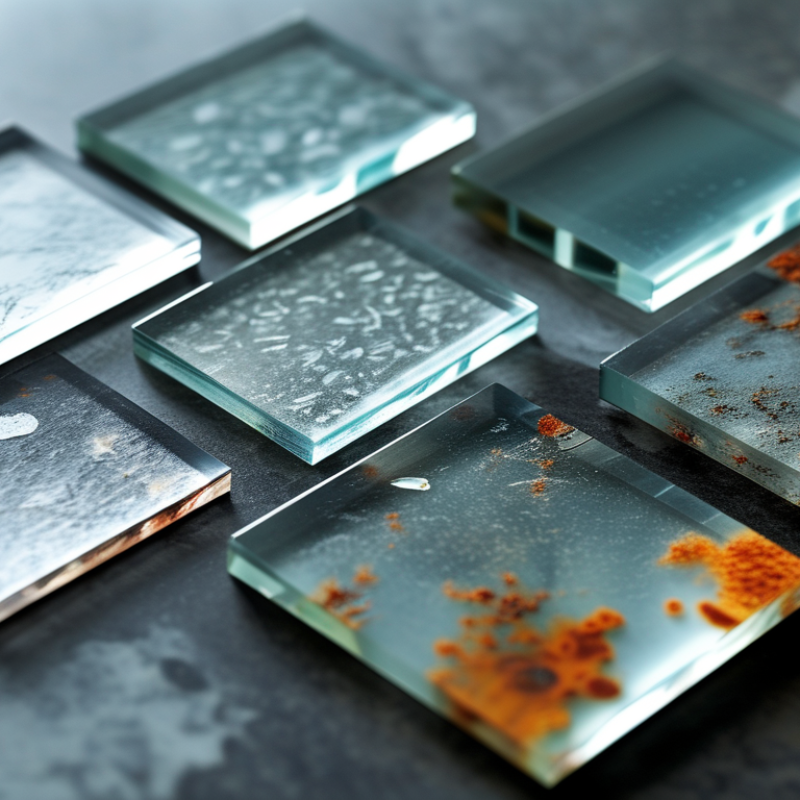
Identifying Your Specific Microscopy Requirements
When selecting quartz microscope slides, understanding your specific microscopy requirements is crucial. The type of samples you plan to observe largely dictates the choice of slides. For instance, biological samples may require slides that minimize background interference. In contrast, materials science applications might call for slides that can withstand high temperatures and abrasive conditions.
Consider the thickness of the slides. Thinner slides are often suitable for biological specimens, while thicker options provide durability for industrial applications. Also, think about surface treatments. Slides with specific coatings can enhance sample adherence or facilitate specific staining techniques. These factors can significantly affect your observation quality and overall results.
Be prepared to adjust your preferences based on experience. Sometimes, initial choices may not yield the expected results. It’s essential to reflect on what works best and what doesn’t. Experimenting with various slides can lead to better insights. The aim is to maximize clarity and detail in your microscopy work. Remember, precision in every detail matters greatly.
Understanding Different Types of Quartz Microscope Slides
When selecting quartz microscope slides, it's vital to understand the different types available. Some slides are designed for general use, while others are tailored for specific applications. High-purity quartz slides offer excellent transparency and reduce background interference. These features are crucial for high-magnification observations. On the other hand, certain slides may have special coatings to enhance user experience. This could include anti-reflective or anti-fog features, which can significantly improve clarity during microscopy.
Different thicknesses also play a role in suitability. Standard thickness slides work well for most applications. However, certain experiments may require thicker slides for added durability or to accommodate specific sample types. In contrast, ultra-thin quartz slides are ideal for cell studies. They provide a close-up view of cellular structures without additional distortion. Assessing the goals of your microscopy work can guide your choice considerably.
It’s important to consider the source of these slides. Reliable suppliers ensure consistent quality. Poor-quality slides can lead to inaccurate results and frustration during analysis. Always verify the specifications before making a purchase. Understanding these nuances aids in selecting the right quartz microscope slides for your needs. The right choice can elevate your microscopy experience significantly.
How to Choose the Best Quartz Microscope Slides for Your Needs? - Understanding Different Types of Quartz Microscope Slides
| Type of Quartz Slide | Thickness (mm) | Size (mm) | Optical Clarity | Ideal Use Cases |
| Standard Quartz Slide | 1.0 | 75 x 25 | High | General microscopy, biological samples |
| Thick Quartz Slide | 1.5 | 75 x 50 | Very High | Thicker samples, precision applications |
| Cover Glass | 0.17 | 22 x 22 | High | For preparing wet mounts, protecting samples |
| Specialty Quartz Slide | Custom | Varies | Variable | Research applications, specialized analysis |
Key Features to Consider When Selecting Quartz Slides
When selecting quartz microscope slides, several key features warrant attention. Optical clarity is paramount. High-quality quartz slides exhibit minimal distortion and excellent light transmission. Studies indicate that slides with 99.9% clarity can enhance resolution considerably, aiding more precise observations.
Thickness is another vital factor. Slides typically range from 0.17 mm to 0.25 mm. Thicker slides may offer greater durability but could interfere with imaging. According to industry standards, maintaining a consistent thickness is essential for reliable results. Variability in thickness can lead to inconsistencies in data collection, impacting overall findings.
Coating options also play a role in functionality. Some quartz slides have special coatings that prevent sample adhesion or enhance fluorescence. Reports suggest that using coated slides can decrease background noise, thus improving signal clarity. Ensuring the right coating for your specific applications can significantly affect your research outcomes. Opting for the ideal quartz slide requires careful consideration of these features to meet your unique needs.
Quartz Microscope Slides Features Comparison
Comparing Cost and Quality of Various Quartz Microscope Slides
When selecting quartz microscope slides, cost and quality play crucial roles. Quality is essential for reliable results, especially in scientific research. Quartz is preferred for its clarity and resistance to thermal shock. Cheap slides may not withstand rigorous use or provide optimal imaging, leading to potential data errors. Look for slides with good reviews from reputable sources, as these indicate reliability.
However, higher quality often comes at a higher price. This creates a dilemma for many users. Balancing budget constraints with the need for quality can be challenging. Consider the specific requirements of your work. A high-quality slide is a worthwhile investment if your research demands accuracy.
In contrast, for general use, a mid-range slide may suffice. Prolonged use of lower-quality slides might lead to scratches or imperfections. This can affect visibility, potentially skewing results. Test different slides to determine what works best for you. Sometimes, a lower price tag may compromise performance. Regularly reassess your needs and experiment with various options to find the right mix of cost and quality.
Tips for Maintaining and Caring for Quartz Microscope Slides
Taking care of quartz microscope slides is crucial for maintaining their clarity and longevity. First, handle the slides with clean, dry hands. Oils and dirt can diminish the optical quality. Use gloves if possible. After each use, rinse them with distilled water to remove any residues. This simple step can prevent staining and build-up that could cloud your observations.
Storing quartz slides properly is another important aspect. Keep them in a protective case, away from direct sunlight. Prolonged exposure can cause warping or damage. Additionally, avoid stacking slides directly on top of one another. This can lead to scratching. Instead, use separators or tissue paper to keep them safe.
Cleaning should be done with care. Use a gentle soap solution for thorough cleaning, but avoid harsh chemicals. Check for any chips or cracks before each use, as damaged slides can compromise your research. Repairing or replacing damaged slides is often a better choice than risking your findings. Regularly assess your slides, noting when they need extra attention.