How to Choose the Best Ltcc Tape Casting Machine for Your Needs?
Choosing the right Ltcc Tape Casting Machine can significantly impact your production quality. According to Dr. Michael Chan, an expert in advanced materials, "The right machine can enhance efficiency and improve the final product."
Understanding your specific needs is crucial. Are you focusing on volume, precision, or both? Each machine varies in capabilities. Some might excel in high-volume productions, while others may offer superior precision. This decision can affect your operational workflow and costs. Detailed research and expert insights can guide you through this complex process.
You might feel overwhelmed by the options available. The constant advancements in technology add to the confusion. It’s essential to evaluate your priorities thoughtfully. Consider not only the machine's features but also vendor support, after-sales services, and maintenance requirements. Engaging with industry specialists can help clarify these aspects, ensuring you select the most appropriate Ltcc Tape Casting Machine for your needs.
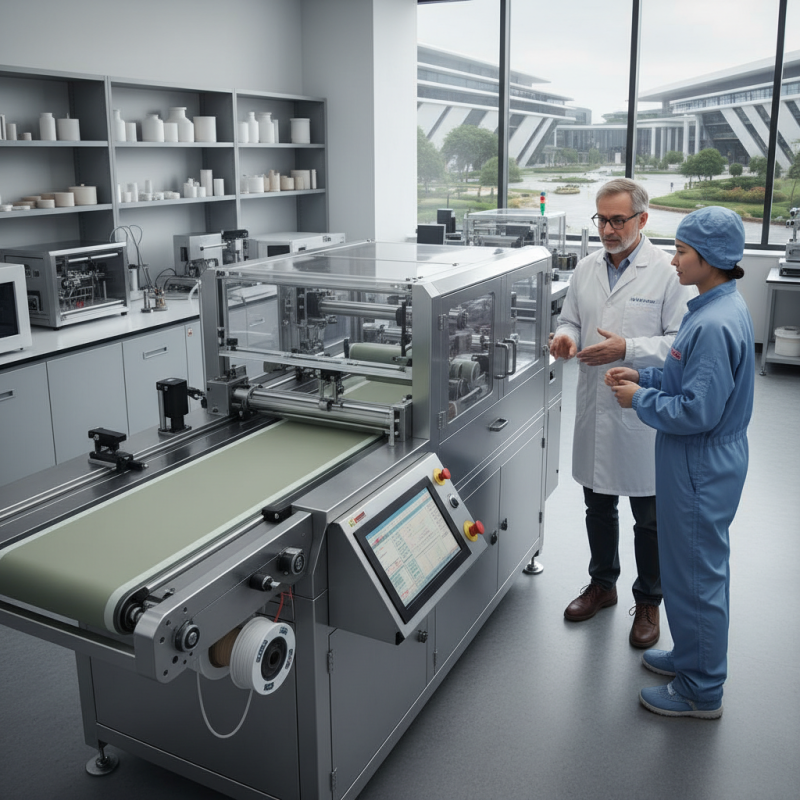
Understanding the Basics of LTCC Tape Casting Technology
LTCC (Low-Temperature Co-fired Ceramic) tape casting technology is gaining traction in various industries. This method allows for the production of intricate ceramic components with high precision. According to the latest industry report by MarketsandMarkets, the LTCC market is expected to grow from $8.41 billion in 2022 to $12.15 billion by 2027. This growth signals a strong demand for efficient manufacturing solutions.
The LTCC process involves the use of a green tape made of ceramic powder. This tape is cast into thin sheets, enabling the creation of multilayer structures. The typical thickness ranges from 50 to 500 microns. As the casting process matures, manufacturers face challenges. These include achieving uniform thickness and minimizing defects. A significant number of producers report that inconsistencies in tape properties can lead to increased scrap rates. A substantial amount can erode profit margins, making it a vital area for improvement.
Choosing the right casting machine is crucial. It should meet specific requirements like precision, speed, and adaptability. A machine’s capability to manage different materials effectively can drastically impact production efficiency. It's essential to assess the machine’s performance based on real-world feedback and data. While manufacturers may have strong initial results, understanding long-term reliability and maintenance needs is often overlooked. Balancing initial costs with ongoing operational efficiency can enhance overall productivity in the LTCC sector.
How to Choose the Best Ltcc Tape Casting Machine for Your Needs?
| Feature | Description | Importance |
| Casting Width | The maximum width of the tape that can be cast. | High |
| Layer Thickness Control | Precision in adjusting the thickness of the tape layers. | Critical |
| Drying Capability | Efficiency in drying the cast tape to avoid defects. | High |
| Operating Speed | Speed of the machine during the casting process. | Medium |
| Ease of Use | User-friendly interface and controls. | High |
| Maintenance Requirements | Frequency and complexity of maintenance tasks. | Medium |
Key Features to Consider in LTCC Tape Casting Machines
When choosing an LTCC tape casting machine, several key features are crucial. Consider the casting width. Machines vary significantly; some handle narrow strips while others cater to wider formats. A suitable width should align with your production needs and target applications. Precision is vital, so ensure the machine maintains uniform thickness across the width. This impact directly affects the final product quality.
Temperature control is another important aspect. It affects the curing process of the tape. A reliable system ensures consistent heat distribution, which is necessary for optimal tape performance. Additionally, investigate the machine's speed capabilities. Higher production rates can boost efficiency, but they should not sacrifice quality. Fast speeds may lead to inconsistencies, needing trial and error to reach ideal settings.
Ease of use is vital, too. Intuitive controls can significantly reduce the learning curve. Yet, every user has different experiences. What seems user-friendly to one may feel complex to another. Therefore, training options and support from manufacturers can influence your decision. Be mindful of the machine's maintenance requirements as well. If upkeep is complicated or costly, it may hinder long-term success.
Comparing Different Types of LTCC Tape Casting Machines
When comparing different types of LTCC tape casting machines, various factors come into play. Understanding the specific needs of your application is critical. For example, some machines offer high precision, suitable for advanced electronics, while others focus on mass production efficiency. According to industry reports, approximately 40% of users prioritize precision over speed, indicating a trend towards quality in specialized applications.
Another key aspect is the size and scalability of the machine. Larger machines are often necessary for producing thicker tapes, but they may require more floor space and maintenance. Research indicates that 30% of companies opt for mid-sized machines due to their balance of performance and space utilization. However, many users report that investing in larger, more expensive models can lead to better long-term outcomes if they anticipate growth.
Ultimately, compatibility with various materials is crucial. Some machines excel with specific ceramic composites, while others offer versatility across materials. A study revealed that about 25% of users faced challenges when integrating new materials into their existing processes. Reflecting on these points can help manufacturers choose the best LTCC tape casting machine for their unique needs, although the constant evolution of technology requires ongoing assessment and adaptability.
Evaluating Manufacturer Reputation and Support Services
When selecting a tape casting machine for LTCC (Low Temperature Co-fired Ceramics), it's crucial to evaluate the manufacturer's reputation and support services. A reliable manufacturer often demonstrates extensive industry experience. According to a study by the Manufacturing Technology Association, companies with over a decade of experience tend to offer more reliable machinery. This experience often translates to better customer service, ensuring that you receive adequate support during and after installation.
It's also essential to research customer feedback. A machine may have the latest features, but if support is lacking, it may not perform as expected in a production environment. Reports indicate that 70% of users prioritize after-sales support, as machine downtime can significantly impact productivity. Inquire about the availability of replacement parts and technical assistance. A company with a good reputation provides quick response times, which can save costs in the long run.
Tips: Prioritize manufacturers with transparent customer reviews. Ask for references from past clients. Ensure the availability of local support to reduce machine downtime. Always consider how a manufacturer handles issues when they arise. Trustworthy companies will have clear policies for technical support and parts replacements. This can make a substantial difference in your operations.
Budget Considerations for Purchasing LTCC Tape Casting Equipment
When considering the purchase of an LTCC tape casting machine, budget is a key factor. These machines vary widely in price, depending on specifications and features. Setting a clear budget helps narrow down options and avoids overspending. Establishing your priorities can guide you in making cost-effective choices.
Tips: Determine essential features that align with your production scale. For example, automated processes can reduce labor costs. If you're on a tight budget, consider used equipment. However, ensure that the machine meets safety and operational standards.
Maintenance also plays a significant role in costs. A machine with lower upkeep expenses may save money over time. It's wise to look into warranty and support options from suppliers. Long-term reliability can offset initial savings. Choose a machine that matches your production needs, even if it's slightly more expensive. Costly mistakes from poor selection can lead to inefficient operations.