China Top 10 Packaging Solutions Companies for Global Buyers
Packaging solutions shape more than a product’s appearance. They influence protection, shipping costs, shelf impact, and the customer’s first impression. For global buyers, choosing a supplier means looking beyond a polished sample. A carton may look sturdy on a desk, yet arrive crushed after a long journey. Details matter.
Designer Charles Eames wrote, “The details are not the details. They make the design.” His reminder applies to packaging: material thickness, seal quality, print accuracy, and opening experience all affect performance. This guide reviews ten packaging companies serving international buyers, with attention to their product ranges, customization options, manufacturing capabilities, and communication practices. It also considers practical questions, such as how suppliers handle samples, confirm specifications, and respond when production needs change.
No single company is right for every buyer. A small brand testing a short run may value flexibility, while a large distributor may prioritize repeatable output and dependable lead times. Certifications and sustainability claims deserve careful checking, too; a label alone does not tell the whole story. Even a capable supplier can miss a detail. That is worth remembering.
The comparison aims to help buyers ask sharper questions before requesting a quote or approving a sample. The best choice is not always the biggest name. It is the partner whose capabilities fit the product, budget, and delivery plan.

China’s Packaging Solutions Industry: Scope and Market Structure
China’s packaging solutions industry spans material production, converting, printing, structural design, and finished-pack supply. Buyers may find specialists in corrugated cartons, flexible films, molded-pulp inserts, rigid containers, or protective cushioning. Some firms handle several stages; others focus on one process. This creates a layered market, not a uniform supplier pool. Product choice depends on fragility, shipping distance, storage conditions, branding needs, and order volume.
The market also includes material mills, component makers, packaging converters, and export-focused service teams. Their capabilities can overlap, so a polished catalog does not prove production depth. Ask who makes each component, where samples are produced, and how tolerances are checked. Request material specifications and sample dimensions. A small insert mismatch can let products shift inside a carton. Details matter.
Tips: Compare suppliers using the same brief and sample criteria. Check edge strength, sealing, print alignment, and packing methods. Confirm lead times against a realistic production schedule. Written specifications help, but physical samples can still reveal problems.
How Global Buyers Assess Packaging Suppliers
Global buyers should judge packaging suppliers by repeatable performance, not polished sample photos. A carton may survive a warehouse drop but buckle during humid transit. Ask for documented compression, seal, and moisture tests, then compare results with your actual shipping and storage conditions. Details matter. The OECD’s Global Plastics Outlook (2022) estimates packaging generated about 40% of plastic waste in 2019. UNEP’s Turning off the Tap (2023) reports that packaging accounts for 36% of plastics produced. These figures make material choice and end-of-life design practical sourcing questions, not side notes.
During supplier audits, check batch records, defect rates, change controls, and backup capacity. Request recent inspection records and trace a finished package back to its raw materials; a spreadsheet alone is thin evidence. Compare total delivered cost, including damage, line stoppages, minimum order quantities, and shipping variation. Ask whether recycled content or lighter designs maintain protection in real trials. A small pilot run often reveals more than a large promise. I would not treat a perfect audit score as proof of a perfect partnership; production changes, and suppliers can miss things. Recheck critical measures after material, tooling, or process changes.
How Global Buyers Assess Packaging Suppliers
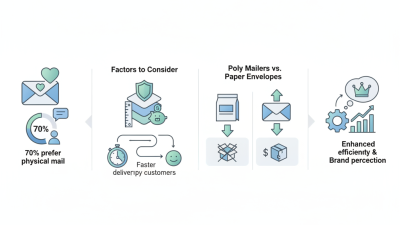
Illustrative evaluation framework, not survey results: buyers can compare suppliers by quality and compliance, cost, delivery reliability, customization, sustainability, and service. Adjust the weights to fit your sourcing priorities.
Ten Leading Chinese Packaging Solutions Companies
China’s packaging sector serves buyers across food, cosmetics, electronics, and industrial goods. A useful comparison of ten leading Chinese packaging solutions companies should look beyond catalog photos. Check material options, production capabilities, sample quality, and communication during development. Small details matter: a carton’s folding edge, a jar’s lid fit, or a printed label’s color under store lighting.
These providers may specialize in corrugated boxes, flexible pouches, molded protective inserts, glass containers, metal cans, or labeling. Others combine packaging design with filling equipment and production support. Ask for specifications, test samples, and clear explanations of tolerances. A sample that looks right on a desk may behave differently on a fast packing line. It happens.
Buyers should also review quality records, export experience, and the supplier’s ability to handle repeat orders. Request details on materials and recycling claims instead of relying on broad sustainability language. Compare lead times against your own approval and shipping schedule. No shortlist is perfect; capabilities can change between facilities and product lines. A careful factory review and a small trial order can reveal issues that a polished presentation may miss.
Products, Materials, and Industries Served
China’s top packaging solution companies serve buyers through corrugated cartons, folding boxes, flexible pouches, protective inserts, bottles, and molded pulp. Common materials include kraft paper, paperboard, polyethylene, polypropylene, and recycled fiber. Buyers should match material strength to product weight, shipping distance, moisture exposure, and shelf-life needs. A sample tells more than a catalogue.
Food and beverage producers often need leak-resistant packs, clear product labeling, and formats suited to filling lines. Electronics suppliers may prioritize cushioning, anti-static protection, and precise internal fit. Personal-care and household-goods sectors use bottles, tubes, cartons, and refill pouches. FAO’s 2023 report estimates that 13.2% of food was lost after harvest and before retail in 2021. Packaging cannot prevent every loss, but better barrier design and transit protection can help.
Material choice also carries a waste trade-off. The OECD’s Global Plastics Outlook reports that packaging generated 40% of plastic waste in 2019. For global buyers, ask suppliers for material specifications, recycled-content evidence, test results, and samples made on the intended production line. Confirm dimensions, print consistency, and performance under realistic storage conditions. One weak point remains: recyclable design does not guarantee local recycling access. Check the destination market’s collection infrastructure before placing large orders.
Export Readiness, Compliance, and Sourcing Considerations
For global buyers, export readiness begins with evidence, not a polished catalogue. Ask each packaging supplier for current material specifications, product drawings, quality-control records, and test reports tied to the exact item being quoted. Check that dimensions, closure fit, and carton markings match the approved samples. A certificate for one material or production site may not cover another. Small details matter.
Compliance also varies by destination and end use. Request a market-by-market document list, including applicable food-contact declarations where relevant, and verify requirements with local specialists before shipment.
The OECD’s Global Plastics Outlook (2022) reported that 353 million tonnes of plastic waste were generated worldwide in 2019, with only 9% recycled.
This makes material composition and substantiated recyclability claims important sourcing questions—not just marketing language. Ask suppliers to explain how claims are tested and documented. Paper can look simple. It isn’t always.
Compare lead times, minimum order quantities, and packaging test results alongside price; a cheaper unit can mean more damage, rework, or delays. I would still leave room for uncertainty: test a production-representative batch, because paperwork alone cannot reveal every packing-line problem.