China Best Poly Packaging Solutions for Global Buyers?
In today’s global market, poly packaging solutions have become essential for businesses. China stands out as a leader in this field. With its advanced manufacturing capabilities, it offers a wide range of poly packaging products. These solutions serve various industries, including food, cosmetics, and electronics. However, the quality of poly packaging can vary. Buyers must choose wisely to ensure they receive reliable products.
Many Chinese suppliers provide cost-effective options. Yet, it’s crucial to assess their expertise and reputation. Knowing what to look for in poly packaging is important. Factors such as materials, durability, and environmental impact should be considered. Buyers often rush the process, which can lead to suboptimal choices. A thorough evaluation can save money and enhance product safety.
Moreover, communication plays a vital role in this selection process. Buyers should ask questions and verify certifications. Establishing a clear understanding with suppliers can prevent misunderstandings. The pursuit of quality poly packaging from China is worthwhile, but due diligence is necessary. This journey requires attention, research, and a willingness to learn from past mistakes.
Overview of Poly Packaging Solutions in China
China has emerged as a significant hub for poly packaging solutions, catering to global buyers looking for quality and innovation. The country's manufacturing capabilities have greatly expanded, supported by investments in technology and skilled labor. According to a market report by Smithers Pira, the global flexible packaging market was valued at around $250 billion in 2021, and China represents a substantial portion of this figure, accounting for nearly 30% of the production capacity.
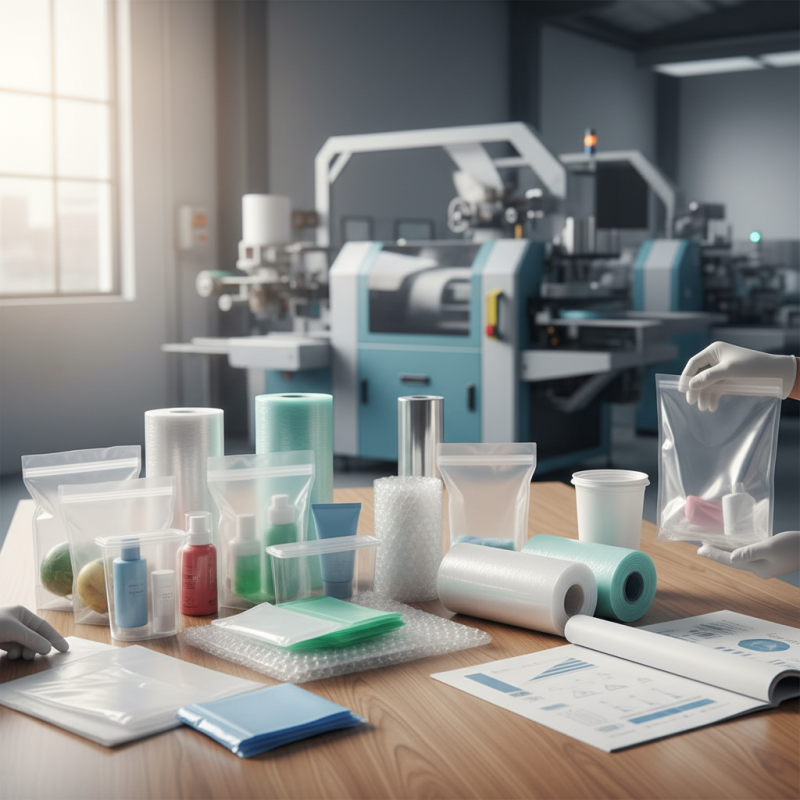
Poly packaging solutions in China encompass a wide range of products, including bags, films, and containers. These products are made from various materials such as polyethylene and polypropylene, which are both lightweight and durable. The demand for sustainable packaging is growing, prompting Chinese manufacturers to explore biodegradable alternatives. However, the industry faces challenges, including the need for more environmentally-friendly practices. A report from Mordor Intelligence notes that while the market is thriving, concerns about plastic waste continue to rise, pushing companies towards sustainable innovations.
The competitive landscape in China presents both opportunities and hurdles. While local manufacturers offer cost-effective products, there is pressure to improve quality and comply with international standards. Additionally, fluctuations in raw material prices can impact production costs, making it essential for companies to optimize their supply chains. This dynamic environment necessitates ongoing adaptation within the poly packaging sector, highlighting the importance of flexibility and responsiveness to market changes.
Key Features of Poly Packaging Solutions Offered by Chinese Manufacturers
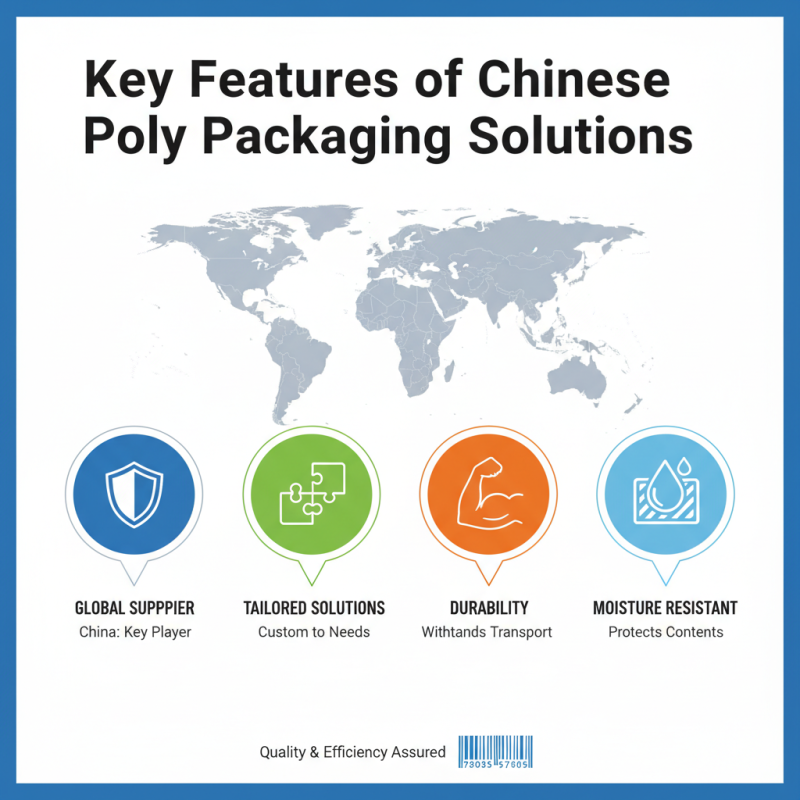
China has emerged as a key player in the poly packaging industry. Many global buyers seek tailored solutions to meet their unique needs. Chinese manufacturers provide a variety of options, ensuring quality and efficiency. These packaging solutions are designed for durability. They withstand transport challenges and offer excellent moisture resistance.
One notable feature is the use of advanced technology in production. This enhances the strength and flexibility of materials, making them suitable for various applications. Many manufacturers focus on environmentally-friendly practices. They aim to reduce waste and promote sustainable packaging. However, the reliance on automation can sometimes lead to oversights in quality control.
Additionally, customizability is a significant advantage. Buyers can specify sizes, colors, and designs according to their branding requirements. This ensures that packaging not only protects products but also enhances brand visibility. Yet, the vast array of choices may overwhelm some buyers. It's essential to clearly identify needs before making a decision.
Benefits of Sourcing Poly Packaging from China for Global Buyers
Sourcing poly packaging from China offers numerous advantages for global buyers. The country is home to a vast network of manufacturers specializing in various types of poly packaging materials. According to a report by MarketsandMarkets, the global flexible packaging market is expected to reach $248 billion by 2025, with a notable share attributed to poly materials produced in China.
One key benefit is cost efficiency. Buyers often find lower production costs in China compared to Western countries. This is largely due to lower labor costs and streamlined manufacturing processes. However, it's crucial to note that not all suppliers maintain high-quality standards. For instance, while some manufacturers use cutting-edge technology, others may fall behind in sustainability practices.
Additionally, China's advanced supply chain infrastructure supports quick turnaround times. The country can deliver large quantities quickly, responding to market demands. Yet, there are challenges regarding communication and cultural differences in business practices. Buyers must conduct thorough due diligence to mitigate risks and ensure reliable partnerships. Understanding these nuances is vital for leveraging the full potential of sourcing poly packaging from China.
Comparative Analysis of Chinese Poly Packaging Suppliers
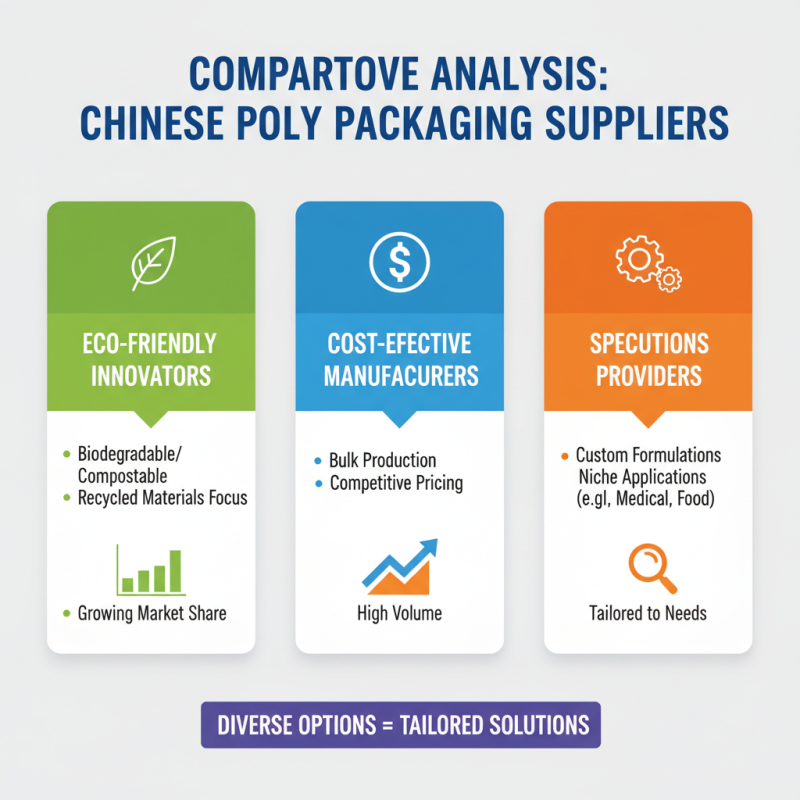
When exploring the landscape of poly packaging suppliers in China, buyers encounter a diverse range of options. The market is flooded with manufacturers offering various types of poly products. Some specialize in eco-friendly materials, while others focus on cost-effectiveness. This variety can be overwhelming but also provides opportunities for tailored solutions.
A closer look reveals that different suppliers excel in specific areas. For instance, quality control can vary significantly. Some manufacturers implement strict quality assurance processes. Others may have less rigorous standards, leading to potential issues with product consistency. Understanding these differences is crucial for buyers aiming for reliability.
Communication plays a vital role in supplier relationships. Not all suppliers have fluent English speakers, which can complicate negotiations. Additionally, lead times can differ widely among providers. Some may deliver quickly, while others might delay shipments. Buyers should consider these factors when making choices, ensuring they align with their operational needs. This level of attention to detail can enhance the overall packaging experience.
Sustainability Practices in China's Poly Packaging Industry
The poly packaging industry in China is evolving. Sustainability practices are becoming integral to operations. Many manufacturers are adopting eco-friendly materials. Biodegradable plastics are gaining traction. This shift reflects a growing concern for environmental impact.
Despite progress, challenges persist. Not all companies prioritize sustainability. Some still rely heavily on traditional plastic. This raises questions about long-term commitments to eco-friendly practices. Transparency in sourcing materials remains crucial. Buyers should seek partners with clear sustainability policies.
Investing in technology can also foster innovation. Advanced manufacturing processes can reduce waste. Recycling initiatives can extend the lifecycle of materials. However, implementation can be inconsistent across the industry. Stakeholders must push for higher standards and accountability to drive meaningful change.