Discover the Best Tracked Grapple Saw for Global Buyers
In recent years, the demand for Tracked Grapple Saws has surged within the global market. According to a report by ResearchAndMarkets, the forestry and logging equipment market is expected to witness a steady growth rate of 4.5% annually. This growth is primarily driven by advancements in technology and the need for efficient forest management practices.
Tracked Grapple Saws are essential for operators seeking mobility and efficiency in challenging terrains. They combine the functionality of a saw and grappling capabilities, allowing users to tackle heavy-duty tasks with precision. However, with numerous models available, selecting the best Tracked Grapple Saw can be daunting. Each model comes with unique specifications and features that cater to different operational needs.
Potential buyers should consider factors such as engine power, weight, and cutting capacity. Experts suggest reviewing industry reports and user testimonials to identify the most reliable models. It is essential to recognize that not all products may fit every buyer’s specific requirements. Thus, conducting thorough research remains crucial for making informed purchasing decisions.
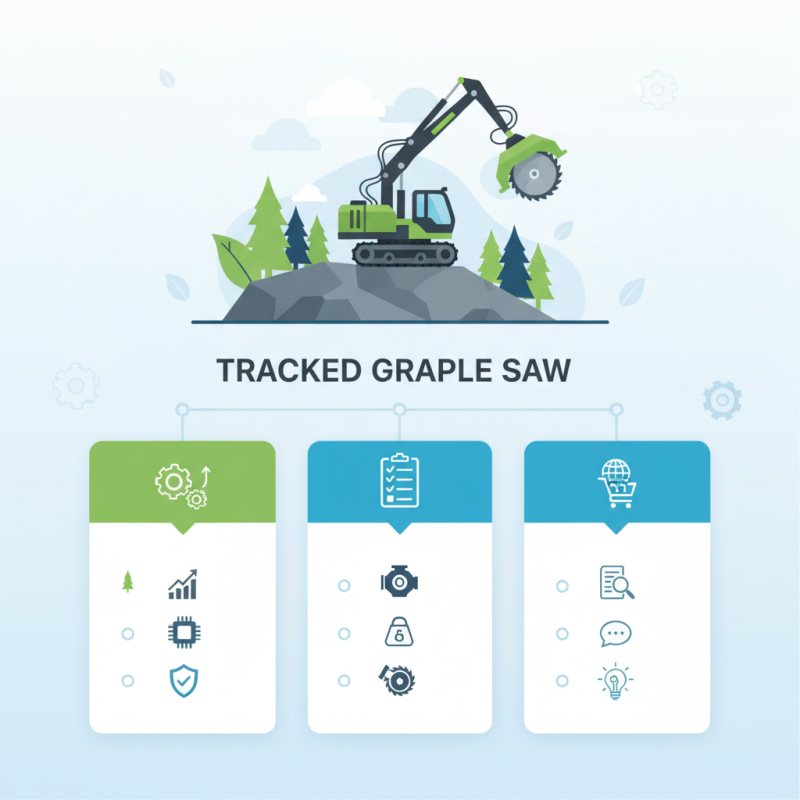
What is a Tracked Grapple Saw and Its Applications?
A tracked grapple saw is an essential tool in forestry and logging. Designed with unique features, it combines the functions of a saw and a grapple. This equipment allows operators to cut and move large trees effortlessly. Its tracked design enhances stability on rough terrains.
The applications of tracked grapple saws are vast. They are frequently used in tree felling, clearing, and land maintenance. In some projects, the saw enables cutting without the need for multiple machines. This consolidation saves time and reduces costs.
While efficiency is a primary benefit, there are challenges. Operators must undergo training to handle the saw safely. Mistakes can lead to accidents or damaged equipment. Even experienced users may face difficulties in uncertain terrain. Understanding these complexities is crucial for safe operation.
Key Features to Look for in a Tracked Grapple Saw
When selecting a tracked grapple saw, buyers must focus on essential features. The saw’s weight and portability are significant factors. According to industry reports, units weighing between 800 and 1,200 pounds are considered ideal for maneuverability. Heavier units may offer more stability but can be challenging to transport to job sites. A balanced design can enhance handling, especially in rough terrains.
Power is another crucial aspect. Look for saws with engines that deliver at least 60 horsepower. This power level ensures efficient cutting of larger trees and thick branches. Additionally, track width influences the saw's stability on uneven surfaces. Optimal track widths typically range from 12 to 20 inches, allowing adequate ground contact without compromising mobility.
It’s also important to consider the saw's cutting capacity. Many grapple saws can handle logs up to 24 inches in diameter. However, the effectiveness decreases as the diameter increases. Users should analyze their specific cutting needs before making a decision. Moreover, investing in a saw with robust safety features, such as automatic shut-off mechanisms, is vital. These features can prevent accidents during high-stress operations. The right tracked grapple saw can significantly enhance efficiency but requires informed choices based on outlined criteria.
Top Rated Tracked Grapple Saw Models Reviewed
When looking for a tracked grapple saw, there are several highly rated models worth considering. These saws combine the precision of a traditional chainsaw with the power of a grapple. Their versatility makes them ideal for managing dense timber and clearing debris efficiently. Operators appreciate the maneuverability and ease of use, especially in challenging terrains.
One standout feature is the saw's cutting capacity. Many models can effortlessly tackle logs of various sizes, enhancing productivity. Users often report how quickly they can clear an area compared to conventional methods. The grapple mechanism helps in grasping and repositioning logs, which minimizes manual labor. However, some users note that learning to operate these machines can take time.
Durability is also a key factor in choosing a tracked grapple saw. Top-rated models are built to withstand tough conditions. Regular maintenance is essential to ensure longevity. Users have mentioned that neglecting upkeep can lead to performance issues. It's important to consider both capabilities and care when investing in such equipment. Being aware of the machine's limits can improve overall effectiveness in the field.
Buyer Considerations: Price, Brand, and Warranty
When considering a tracked grapple saw, buyers must weigh various factors. Price is often a primary consideration. The investment can range significantly based on features and brand reputation. Assessing performance versus cost is essential. Users should avoid compromising on quality for a lower price. A reliable saw can save money in the long run through durability and efficiency.
Brand presence plays a vital role in decision-making. Well-known brands often provide consistent performance. Newer brands may offer innovative features at lower prices. However, they may lack proven reliability. It's crucial to research and read reviews. Gather insights from other users to gauge performance.
Warranties can be a game-changer. A strong warranty indicates confidence from the manufacturer. Look for coverage that includes parts and service. It reflects the brand's commitment to quality. Some buyers overlook warranty details but regret it later. Recognizing the importance of these factors can lead to a more informed purchase. Take the time to weigh all aspects before making a decision.
Best Tracked Grapple Saw Comparison
Maintenance Tips for Your Tracked Grapple Saw
Tracked grapple saws are essential for forestry and land-clearing operations. Regular maintenance ensures they operate effectively. Neglect can lead to costly downtimes. Data from industry reports indicate that proper maintenance can extend the equipment's lifespan by up to 40%.
One vital tip is to inspect the saw regularly. Check the hydraulic fluid levels and look for leaks. A small leak can compromise performance. Moreover, blade sharpness affects cutting efficiency. Dull blades increase fuel consumption and worker fatigue. It’s important to sharpen or replace blades as needed.
Maintaining clean air filters is another crucial practice. Dirty filters reduce engine efficiency, causing overheating and excess fuel use. Remember, neglecting these small details can lead to significant issues down the line. Consider using high-quality replacement parts for best results.
Each component plays a role in the machine's overall functionality, so choose wisely.