Best Packing Paper Options for Your Shipping Needs?
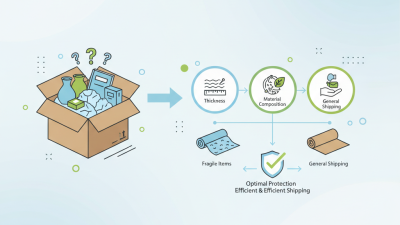
When it comes to shipping, choosing the right packing paper is essential. This often-overlooked material can make a significant difference in the safety of your items. Packing paper provides cushioning and protection during transit, ensuring that fragile items arrive intact. With various options available, from recycled paper to kraft paper, it is vital to select the right type for your needs. Each type has unique properties that cater to different shipping requirements.
Consider your specific items. Are you shipping ceramics, glass, or something else? The right packing paper will depend on the fragility of your products. Thicker papers offer better protection, while lighter options may suffice for less delicate items. It's worth experimenting with different kinds to find what works best. Relying solely on one type could leave gaps in protection. Testing various methods can help refine your packing approach.
Understand that no solution is perfect. Each type of packing paper has its limitations. For instance, recycled paper may not provide the same cushioning as specialized options. Being aware of these trade-offs will empower you to make informed decisions when preparing shipments. In an industry where reliability is crucial, the right packing paper can significantly enhance your shipping efficiency.

Types of Packing Paper Suitable for Various Shipping Needs
When selecting packing paper for shipping, several types cater to different needs. Kraft paper is popular for its strength and versatility. It functions well for cushioning fragile items and can be easily shaped to fit odd-sized packages. According to the American Paper & Forest Products Association, over 30% of shipping companies prefer Kraft paper for its eco-friendly properties and cost-effectiveness.
Newsprint offers another viable option. This lightweight paper provides basic cushioning for lighter items and is often used in combination with bubble wrap or foam. A recent industry survey indicated that approximately 40% of professionals in logistics use newsprint for their budget-friendly shipping strategies. However, its effectiveness decreases with heavier items, raising concerns over its reliability in certain situations.
Bubble wrap has gained attention for its protective qualities. Although not a traditional packing paper, its air-filled bubbles create a protective barrier. This specialty material is vital for electronics or breakables. Yet, it poses an environmental challenge, as only 20% of its users recycle it properly. These choices all have pros and cons, making it crucial to assess each option based on specific shipping requirements.
Benefits of Using Packing Paper for Shipping Items
Packing paper is a versatile choice for shipping items. It offers numerous benefits that can enhance the packing process. According to recent industry data, around 70% of online retailers use packing paper due to its eco-friendly properties and cushioning capabilities. This makes it a reliable option for fragile items.
One advantage of packing paper is its ability to fill voids within boxes. This prevents items from shifting during transport, reducing the risk of damage. In fact, studies show that packages with adequate padding are 30% less likely to incur damage. It also absorbs shocks effectively, further protecting contents.
When using packing paper, consider the type and thickness. Heavier items may require thicker paper for better support. Additionally, crumpling the paper can enhance its protective qualities. It’s essential to ensure you have enough material to properly secure your items.
Packing paper is also recyclable, aligning with sustainability efforts. Many consumers prioritize eco-friendly packaging. Using recycled paper can also enhance your brand’s reputation. However, it's important not to overlook the aesthetics. A visually appealing package can positively impact customer perception.
How to Choose the Right Packing Paper for Fragile Goods
Choosing the right packing paper is crucial for shipping fragile goods. The right paper can prevent breakage during transit. Options like kraft paper and newsprint offer varying levels of cushioning. Some are thicker, while others are more flexible. These differences can impact protection.
Consider your items' fragility. Heavier or more delicate items may benefit from multiple layers of packing paper. This extra cushioning can absorb shocks effectively. However, too much paper can lead to bulkiness and higher shipping costs. Finding the right balance is key.
Recyclability is another factor. Some papers are eco-friendly, while others contribute to waste. Understanding material origins can help make a responsible choice. The ideal packing paper not only protects but also aligns with your environmental values. Experiencing breakage during shipping can lead to reflections on your choices. Each incident is a learning opportunity to improve your packing strategy.
Eco-Friendly Packing Paper Options for Sustainable Shipping
When it comes to shipping, choosing eco-friendly packing paper is essential for sustainable practices. Many options are available, but not all are created equal. Some types use recycled materials, reducing waste and minimizing environmental impact. These papers can come in various textures and weights, making them versatile for different shipping needs.
Recycled kraft paper is one popular choice. It offers strength and durability while being biodegradable. Many companies opt for it because it’s not only effective but also aligns with their commitment to sustainability. Another great option is tissue paper made from post-consumer waste. It provides cushioning and is fully recyclable.
However, it’s crucial to examine the sourcing of these materials. Not all recycled paper is created equal. Some may still contribute to deforestation. Reflecting on these choices can lead to more informed decisions. Selecting the right packing paper not only protects your items but also supports a healthier planet. Each small change can make a difference.
Tips for Properly Using Packing Paper in Your Shipping Process
Packing paper is essential for protecting items during shipping. Proper use of packing paper can significantly reduce damage in transit. In fact, studies show that the right packing materials can lower damage claims by up to 30%. Choosing the appropriate packing paper involves understanding its weight and thickness. For fragile items, opt for heavier-duty paper that can absorb shock.
When packing, crumpling the paper helps create cushioning. It fills empty spaces in boxes, preventing items from shifting. The Packaging Association highlights that using effective padding techniques can save businesses money on replacements. However, many individuals overlook these methods. They often underestimate the importance of robust packing solutions.
It is crucial to observe packing best practices. Overpacking or under-packing can lead to issues. Too little packing can leave items exposed, while too much can cause crumpling. The ideal method involves balancing space and cushioning. Regularly reassessing your packing strategy is beneficial. It ensures you stay aligned with shipping advancements and best practices in the industry.