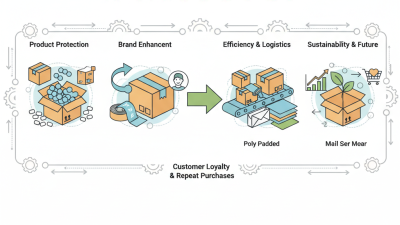
In today’s global market, choosing the right packaging material is crucial. Poly packaging has emerged as a preferred solution for many buyers. Its lightweight nature offers significant shipping savings. Moreover, this type of packaging is highly versatile, fitting a variety of products and industries.
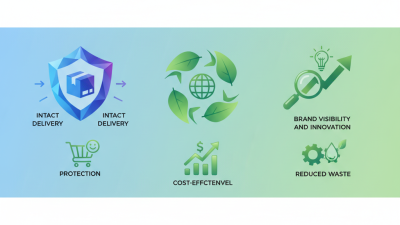
The benefits of poly packaging extend beyond mere cost savings. It provides excellent protection against moisture and damage. This ensures products arrive in pristine condition. Buyers appreciate the durability of poly packaging, which leads to reduced product returns.
However, it's important to reflect on the environmental impact. While poly packaging is efficient, it raises questions about sustainability. Buyers should weigh the pros and cons carefully. Striking a balance between utility and environmental responsibility remains a challenge.
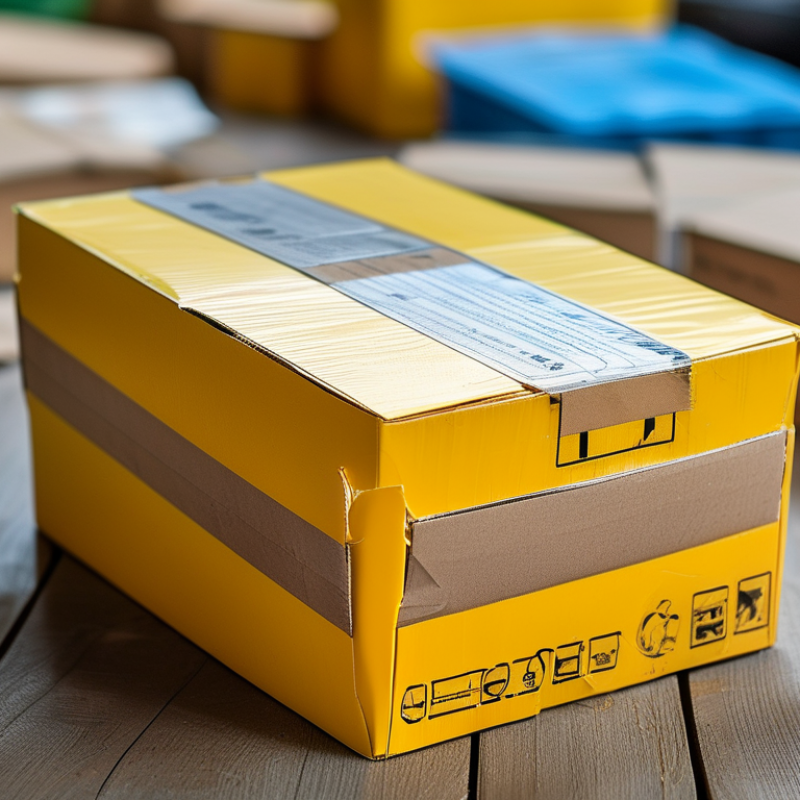
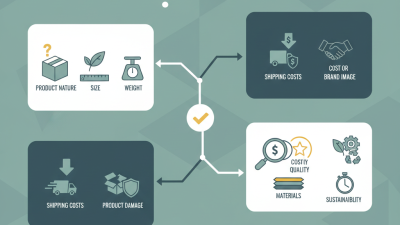
Poly packaging stands out for its lightweight properties. This significantly impacts shipping costs. When a product is lighter, transportation becomes more efficient. Reduced weight means more items can be loaded per trip. This not only optimizes space but also affects overall shipping expenses. Global buyers can notice significant savings over time. These savings can accumulate with increased volume.
Consider the journey of a package. Traditional packaging methods often weigh down shipments. In contrast, poly packaging provides the same level of protection with less mass. The less weight a product carries, the lower the fuel consumption during transport. Buyers can benefit from these efficiencies by choosing lightweight solutions. However, there are factors to consider. The durability of lighter materials under various conditions may raise concerns. It’s necessary to balance protection with the need for cost savings.
More efficient supply chains result from using lightweight materials. Companies are continually finding ways to lower costs. Partnerships with reliable suppliers can enhance these efforts. However, it's essential to conduct thorough evaluations. Innovation is often accompanied by growing pains. Encouraging feedback from partners and consumers can lead to better solutions over time. Addressing potential weaknesses will only improve future practices.
Poly packaging has garnered attention in recent years due to its significant impact on sustainability. Recycling rates of poly materials have improved, but challenges remain. For instance, many consumers still do not recycle effectively, leading to waste in landfills. Enhancing public awareness can boost recycling participation and reduce environmental footprints.
In addition to recycling validity, poly packaging offers environmental benefits. It consumes less energy during production compared to alternative materials. This often translates to lower greenhouse gas emissions over the product’s life cycle. Furthermore, poly materials are lightweight, reducing transportation emissions. However, improvements in biodegradability are needed to address long-term waste concerns.
The effectiveness of recycling poly materials hinges on infrastructure. Not all regions have adequate facilities. Encouraging local initiatives can bridge this gap, ensuring that more materials can be processed effectively. Engaging with communities is vital for fostering responsible consumption. Raising awareness about the significance of recycling poly will ensure a more sustainable future.
Poly packaging plays a crucial role in food preservation. Its barrier properties effectively protect against moisture, oxygen, and light. These factors are essential for maintaining food safety and extending shelf life. High-quality poly materials maintain a protective seal, ensuring that food remains fresh longer. Many global buyers turn to poly packaging for its reliable performance in various environments.
Packaging technology can sometimes fall short. Issues like pinholes can compromise the integrity of the package. When this happens, the protective barrier weakens, leading to spoilage. Buyers must remain vigilant about their sourcing to ensure quality control. A reliable supplier can help mitigate these risks and enhance product safety.
Another consideration is environmental impact. While poly packaging is efficient, the disposal of plastic remains a significant concern. Consumers are increasingly pushing for sustainable solutions. Adopting recyclable or biodegradable options can address these issues. Striking a balance between food safety and environmental responsibility is essential for responsible buying practices.
| Benefit | Description | Impact on Food Safety | Shelf Life Extension |
|---|---|---|---|
| Excellent Moisture Barrier | Prevents water vapor transmission, protecting food from moisture. | Reduces the risk of microbial growth. | Increases shelf life by keeping products dry. |
| Oxygen Barrier Properties | Limits oxygen exposure, minimizing spoilage and oxidation. | Essential for preserving freshness and flavor. | Extended shelf life for perishable goods. |
| UV Protection | Blocks harmful UV light that can degrade food quality. | Protects vitamins and other nutrients from degradation. | Maintains nutritional value over time. |
| Light Weight | Less weight reduces shipping costs and carbon footprint. | Easier handling and transport of food products. | Encourages sustainability while extending shelf life. |
| Customizable Designs | Flexible design options for branding and functionality. | Attracts customers with appealing visuals. | Increases chances of purchase, effectively using shelf space. |
| Thermal Stability | Resists extreme temperatures, protecting contents. | Keeps food safe during transport in various climates. | Supports longer shelf life by maintaining quality. |
| Cost-Effectiveness | Affordable packaging solutions for bulk buyers. | Allows for higher savings on packaging without compromising safety. | Longer shelf life reduces waste and lowers costs. |
| Recyclability | Many poly packages are recyclable, promoting sustainability. | Encourages environmentally friendly practices. | Contributes to waste reduction strategies. |
| Resistance to Contaminants | Protects food from potential contaminants during transport. | Ensures food safety and cleanliness. | Helps maintain quality and freshness. |
| Versatility | Can be used for a variety of products, from dry goods to frozen items. | Ensures the safe packaging of diverse food types. | Accommodates different shelf life requirements. |
Poly packaging has become essential in meeting diverse market needs. This flexibility allows global buyers to customize their packaging solutions. According to a report by Smithers Pira, the global flexible packaging market is expected to reach $300 billion by 2024. This highlights the growing demand for adaptable packaging options.
Customization in poly packaging includes various shapes, sizes, and colors. Brands can align packaging aesthetics with their identity. A study by MarketsandMarkets found that flexible packaging can reduce material costs by up to 30%. This operational efficiency is crucial, especially for small and medium enterprises facing budget constraints.
Despite its benefits, there are challenges. Not all poly packaging is recyclable. This raises sustainability concerns among consumers. Companies need to explore bioplastics or eco-friendly alternatives to address these issues. As buyers seek responsible choices, packaging innovation should focus on reducing environmental impact while maintaining versatility.
Poly packaging offers remarkable advantages for global buyers, especially when considering cost-effectiveness. Compared to traditional materials like glass and metal, poly packaging is lighter and easier to handle. This reduction in weight translates to lower shipping costs. Additionally, the production of poly materials often requires less energy. This eco-friendly aspect can contribute to long-term savings, making it an attractive option.
However, not all poly packaging solutions are created equal. Some may lack the durability needed for certain products. Buyers must carefully assess their packaging needs. The potential for waste is also a concern. Biodegradability varies widely among poly products. As consumers demand more sustainable options, brands must innovate. Continuous improvements in material science could lead to better solutions.
Ultimately, the choice of poly packaging can drive significant savings. This material is often cheaper to produce and transport. Yet, the environmental implications deserve attention. Ongoing transparency in sourcing and production is vital. Global buyers should seek solutions that balance cost savings with responsibility.