What are the Benefits of Paper Packaging in 2026?
In 2026, paper packaging is set to transform the packaging industry significantly. A recent report by Smithers Pira highlights that the global paper packaging market is expected to reach $320 billion by 2026. This growth underscores the rising consumer demand for sustainable options. Paper packaging is renewable, recyclable, and biodegradable, making it an eco-friendly alternative.
Moreover, many businesses are recognizing that investing in paper packaging enhances their brand image. Studies reveal that 75% of consumers prefer brands that use sustainable materials. This shift is pushing companies to rethink traditional plastic packaging. However, challenges remain, such as sourcing responsibly and ensuring cost-effectiveness.
In addition, the versatility of paper packaging cannot be overlooked. It is suitable for various products, from food to electronics. Yet, there are concerns about durability compared to plastic. Balancing functionality and sustainability is crucial. As we move further into 2026, paper packaging represents both an opportunity and a challenge for industries aiming to adapt and innovate.

Benefits of Paper Packaging for the Environment in 2026
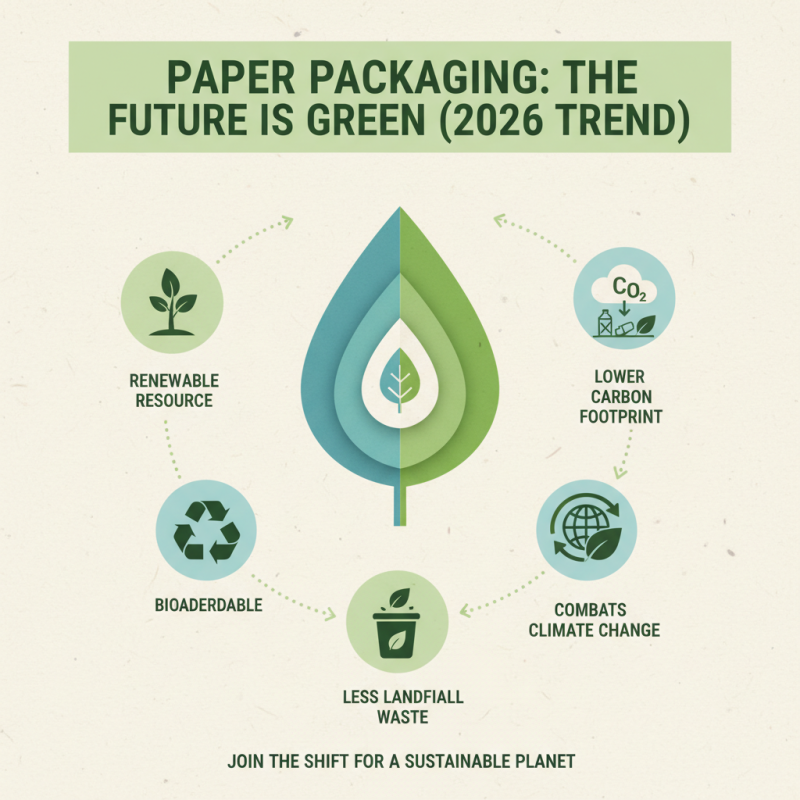
In 2026, paper packaging continues to rise in popularity due to its numerous benefits for the environment. Made from renewable resources, it is biodegradable and recyclable. When discarded, it breaks down naturally, minimizing landfill waste. Compared to plastic, paper has a much lower carbon footprint. This shift aligns with global efforts to combat climate change.
It’s essential to consider how we use paper packaging. While it’s a sustainable choice, excessive use can lead to deforestation. Consumers need to be mindful of sourcing. Look for products made from recycled materials. Not all paper is created equal; some processes can still harm the environment.
Tips for reducing environmental impact: choose products with minimal packaging. Consider buying in bulk to minimize waste. Recycling paper correctly is crucial; contamination can render it unusable. And always check for certifications to ensure responsible sourcing. Awareness and mindfulness in our choices can create meaningful changes.
Cost-Effectiveness of Paper Packaging Compared to Alternatives in 2026
In 2026, paper packaging offers notable cost-effectiveness compared to plastic and other alternatives. The manufacturing process for paper is often cheaper. It utilizes renewable resources, reducing reliance on fossil fuels. This shift not only lowers production costs but also appeals to eco-conscious consumers. Many businesses find that choosing paper over plastic leads to savings in waste disposal fees.
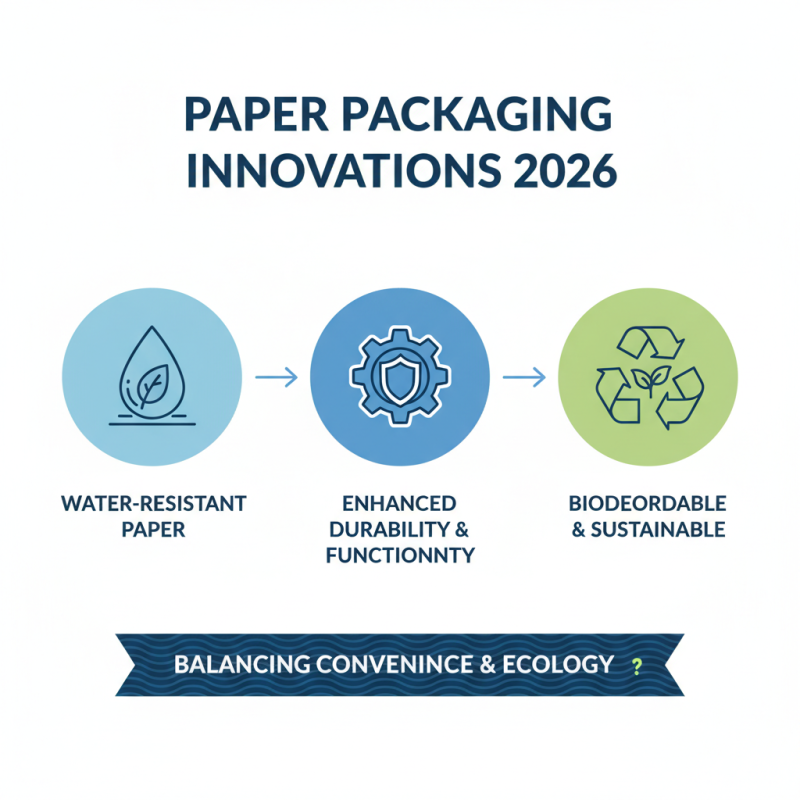
However, challenges exist. Paper packaging is heavier, increasing shipping costs. Some businesses may hesitate due to this factor. Additionally, water resistance can be an issue for certain products. These limitations require companies to rethink their packaging strategies. Finding the right solutions can be more complex than anticipated.
Investing in biodegradable coatings or exploring mixed materials can enhance paper's functionality. Despite its drawbacks, paper remains a strong contender. The evolving market landscape demands innovation. Companies need to adapt while balancing costs and sustainability. The choice of packaging could influence consumer loyalty and market competitiveness.
Consumer Preferences: The Growing Demand for Paper Packaging in 2026
In 2026, consumer preferences are shifting significantly towards paper packaging. Research shows that 74% of consumers now prefer paper over plastic. This change reflects growing concerns about environmental sustainability. Paper packaging is biodegradable, making it a more eco-friendly option.
A recent report indicates that the global paper packaging market is expected to reach $500 billion by 2026. This growth is partly driven by younger consumers. They demand sustainable packaging solutions. According to surveys, 57% of millennials prioritize brands that use eco-friendly materials.
While paper packaging has advantages, it is not without challenges. It may not always provide the same level of protection as plastic. Moisture can affect its effectiveness. Brands must rethink their designs to ensure durability. Additionally, the recycling process for paper can sometimes be inefficient. Despite these hurdles, the eco-conscious market continues to thrive.
Benefits of Paper Packaging in 2026
Regulatory Impacts on the Adoption of Paper Packaging in 2026
In 2026, the regulatory landscape around paper packaging is transforming rapidly. Governments globally are implementing stricter regulations aimed at reducing plastic waste. For instance, the European Commission aims to have at least 75% of packaging recyclable by 2030. This shift pushes industries to seek alternative solutions, with paper packaging emerging as a frontrunner.
The benefits of adopting paper packaging are clear. It is biodegradable and easier to recycle compared to plastic. According to a recent report by Smithers Pira, the global market for paper packaging is expected to grow by over 6% annually through 2026. However, some companies struggle to fully comply with new regulations. Transitioning from plastic to paper is not always straightforward. Infrastructure may not support increased paper usage, leading to potential disruptions in supply chains.
Moreover, the perception of paper packaging needs attention. While it is a sustainable option, not all paper products are created equal. Sourcing practices and fiber content influence the environmental impact significantly. Some consumers may question the sustainability claims of certain paper packaging. As regulations tighten, brands must ensure transparent communication and demonstrate genuine commitment to eco-friendliness. Only then can the full potential of paper packaging be realized in a regulated market.