2026 Top Business Packaging Trends Shaping the Future of Industry?
As we look ahead to 2026, the landscape of business packaging is set for significant transformation. Industry reports estimate that the global packaging market will reach $1 trillion by 2024, driven by increasing consumer demand for sustainability. Innovations in materials are at the forefront of this shift. Paper and biodegradable plastics are emerging as top choices for businesses aiming to reduce their carbon footprints.
Amidst this dynamic environment, addressing consumer preferences is critical. Research indicates that 70% of shoppers prefer sustainable packaging. However, many companies still struggle to balance eco-friendliness with functionality. The challenge lies in creating packaging that not only meets regulatory standards but also captivates consumers at first glance.
In the rapidly evolving world of e-commerce, businesses must adapt packaging to meet unboxing experiences. Engaging designs can significantly impact brand perception. Companies must ask themselves: Are they ready for the trends shaping the future? Reflecting on these insights may reveal gaps in current strategies, urging a rethink in packaging approaches.
Emerging Sustainability Practices in Business Packaging for 2026
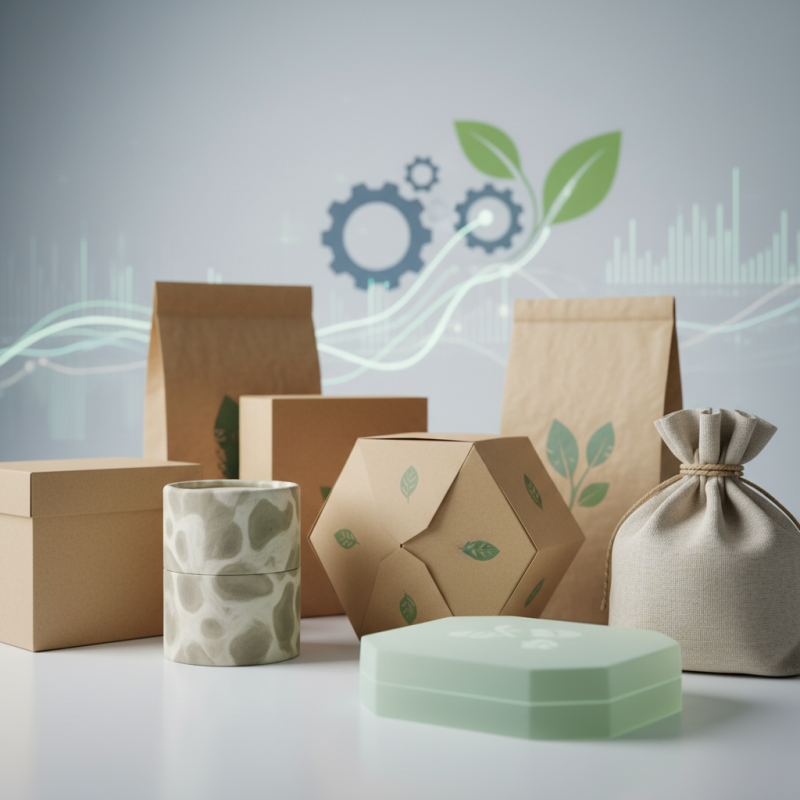
As we dive into 2026, the focus on sustainability in business packaging is undeniable. Companies are increasingly adopting eco-friendly practices to meet consumer demands. This trend prioritizes biodegradable materials and recyclable designs. Creative packaging solutions are now paramount, with many firms experimenting with plant-based plastics and recycled paper. These materials reduce environmental impact, but they often come with higher costs.
However, the transition isn’t without hurdles. Many businesses struggle to balance sustainability with affordability. Some eco-friendly options may not be as durable, risking product damage. This creates a dilemma: choose sustainability at the expense of quality? Or, stick to traditional packaging methods? The pressure to innovate weighs heavy on companies.
Education plays a critical role in this shift. Employees must understand sustainable practices. Training programs can help break down complex concepts into actionable steps. Yet, many companies still lack proper guidance. Without a holistic approach, efforts may fall short. Thus, the future of business packaging lies in collaboration. Sharing insights and resources can lead to more effective solutions.
2026 Top Business Packaging Trends
Innovative Materials Revolutionizing Packaging Solutions
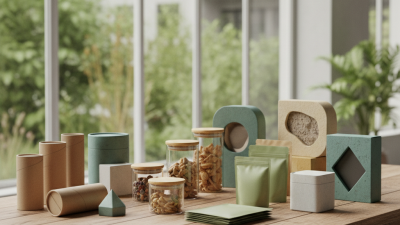
The future of packaging lies in innovative materials that redefine industry standards. Biodegradable plastics are gaining traction, driven by environmental concerns. These materials break down easily, reducing waste. In addition, mushroom-based packaging is becoming popular. This sustainable option is not only eco-friendly but also versatile. It grows quickly and can replace traditional materials.
Recycled paper and cardboard are also revolutionizing packaging. They offer a lightweight alternative, cutting down on transportation costs. Yet, not all recycled materials are equal. Manufacturers must ensure quality to maintain product integrity. The challenge here is balancing recyclability with durability. Also, slurry technology is making waves in the packaging world. This innovative method uses water and waste materials, but still needs refinement.
While these materials show promise, they aren't without flaws. Some biodegradable options require specific conditions to decompose. Companies need to consider this in their logistics. Furthermore, cost is often a barrier. Investing in new materials may not yield immediate results. It’s a complex landscape that requires careful thought and adaptation.
2026 Top Business Packaging Trends Shaping the Future of Industry
| Trend |
Description |
Materials Used |
Projected Impact |
| Sustainable Packaging |
Focus on biodegradable and recyclable materials to reduce waste. |
Bioplastics, recycled paper, plant-based inks |
Reduces environmental impact, enhances brand image |
| Smart Packaging |
Integration of technology for real-time tracking and data collection. |
Sensors, QR codes, NFC Tags |
Improves supply chain efficiency and customer engagement |
| Minimalist Design |
Simplified packaging designs focused on functionality and elegance. |
Thin cardboard, glass, clear labels |
Enhances product visibility and appeal |
| Active Packaging |
Packaging that actively extends the shelf life of products. |
Oxygen scavengers, moisture absorbers |
Reduces food waste, improves safety |
| Personalized Packaging |
Tailoring packaging designs to individual consumer preferences. |
Digital printing technologies |
Enhances consumer experience, boosts sales |
The Role of Technology in Enhancing Packaging Efficiency
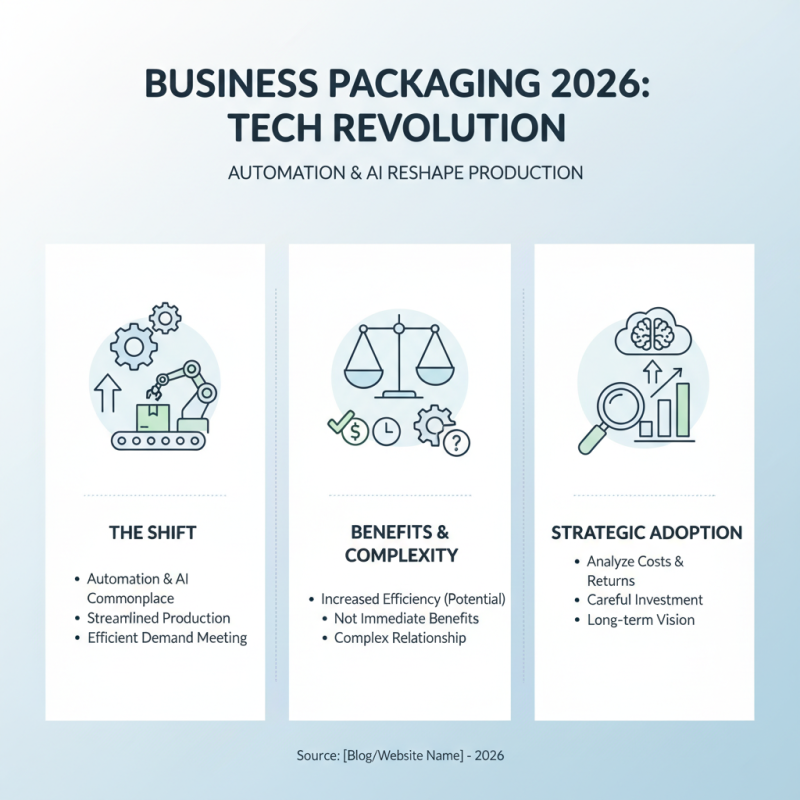
In 2026, technology is set to reshape the landscape of business packaging. Automation and AI are becoming commonplace. These tools streamline production processes. They help companies meet increasing demand efficiently. However, the relationship between technology and packaging efficiency is complex. Not all advancements lead to immediate benefits. Companies must analyze costs and returns carefully.
Smart packaging solutions are also gaining traction. They incorporate sensors and QR codes for enhanced user interaction. This provides valuable data on consumer behavior. Yet, not every technology is user-friendly. Some consumers may struggle with complex features. Simplicity should remain a priority to ensure widespread adoption.
Sustainability remains a pressing challenge in packaging. Innovative materials aim to reduce waste. However, sourcing these materials often complicates production. Companies must balance the eco-friendly image with practical realities. Investment in technology must consider both environmental impact and efficiency. The future of packaging is bright, but it needs thoughtful implementation.
Consumer Trends Influencing Packaging Design and Functionality
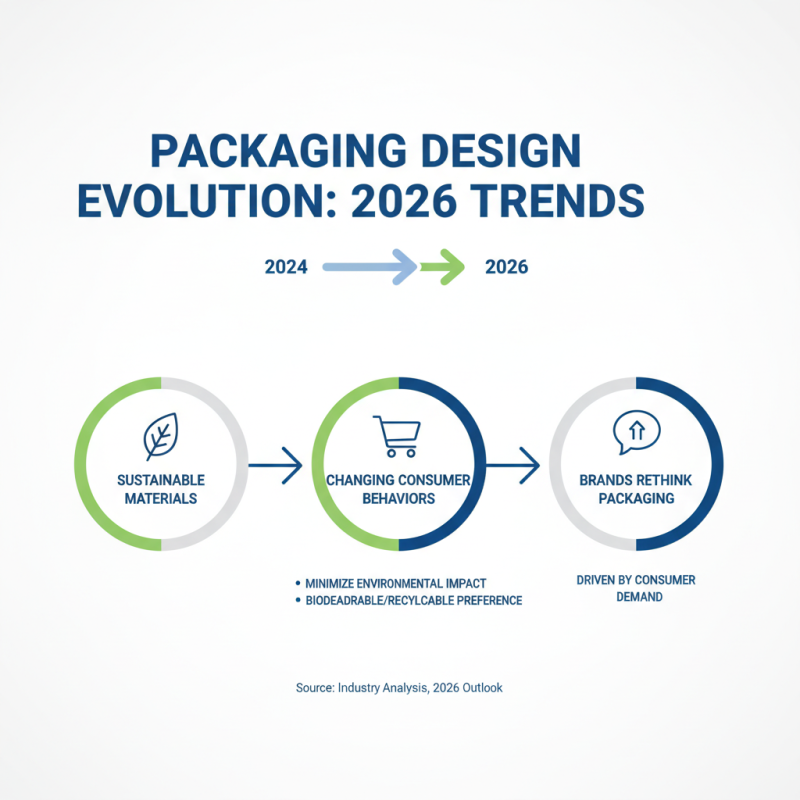
As we approach 2026, the evolution of packaging design reflects changing consumer behaviors. Sustainable materials are becoming essential. Shoppers increasingly prefer packaging that minimizes environmental impact. They gravitate towards biodegradable or recyclable options. This desire drives brands to rethink how they package products.
Functionality is another critical aspect. Users seek convenience. Easy-open features and resealable designs are more popular than ever. Packaging must protect the product, but also serve the consumer’s needs. A simple box can become cumbersome if it doesn’t allow for easy access.
Color and aesthetics also influence purchasing decisions. Bright colors and unique shapes attract attention on crowded shelves. However, some designs may prioritize form over function, leading to frustration. Brands face a challenge: balancing eye-catching designs with practical usability. This task isn't always easy, but it is vital for success.
Regulatory Changes Impacting Business Packaging Strategies in 2026
As we approach 2026, regulatory changes are reshaping business packaging strategies significantly. New guidelines focus on sustainability and consumer safety. Companies must adapt quickly to these changes to stay compliant and competitive. Environmental impact assessments are becoming mandatory. This shift highlights the importance of eco-friendly materials in packaging.
Some businesses are struggling with the transition. Traditional packaging materials often do not meet new standards. Many companies face challenges in sourcing sustainable alternatives. This can lead to unexpected costs and delays. It’s essential for businesses to strategize these changes carefully to mitigate risks.
The impact of these regulations goes beyond compliance. They also drive innovation in packaging design. Eco-conscious consumers are demanding transparent practices. Brands that embrace these changes may gain a competitive edge. Yet, businesses must balance innovation with reality. Not all eco-friendly materials perform the same, and some may fall short of industry needs. This tension requires reflection and adaptation in packaging strategies moving forward.